
Foreign investment Australia has faced unprecedented scrutiny following the controversial Port of Darwin sale, which has fundamentally reshaped how international companies approach investments in Australian infrastructure. The forced divestment of the strategic port highlights the evolving regulatory landscape and the government’s increasing willingness to intervene in foreign ownership of critical assets.
When I first began tracking foreign investment patterns in Australia, the Port of Darwin case stood out as a watershed moment that would define future international business relations. The saga began in 2015 when Chinese company Landbridge Group secured a 99-year lease for the port, only to face mounting political pressure and security concerns that ultimately led to forced divestment discussions.
Legal Framework Changes and Regulatory Response
The Port of Darwin controversy has catalysed significant changes to Australia’s foreign investment review process. The Foreign Investment Review Board (FIRB) now operates under enhanced powers, with the government implementing stricter screening mechanisms for investments in critical infrastructure, particularly ports, airports, and telecommunications networks.
These regulatory shifts have introduced mandatory notifications for foreign investments above certain thresholds, regardless of the investor’s country of origin. The changes affect not just large-scale infrastructure deals but also commercial real estate, agricultural land, and technology companies with potential national security implications. It was overwhelming at first for many international investors to navigate these new requirements, leading to increased compliance costs and extended approval timeframes.
The legal implications extend beyond immediate divestment orders. Companies now face retrospective reviews of previously approved investments, creating uncertainty for long-term business planning. This has prompted foreign investors to engage specialist legal and advisory services earlier in the investment process to ensure compliance with evolving regulations.
Economic Impact on Foreign Investment Flows
The Port of Darwin case has created a ripple effect across foreign investment Australia markets, with several measurable economic consequences. Investment flows from certain countries have declined as investors reassess the political risk associated with Australian infrastructure assets.
Data from FIRB shows a notable shift in investment patterns, with traditional partners like the United States and United Kingdom maintaining steady investment levels, while investments from other regions have become more cautious. This selective approach has influenced asset valuations, particularly in the infrastructure sector where foreign buyers previously drove significant price growth.
The economic ramifications extend to financing arrangements, as lenders now factor political risk premiums into their assessments of foreign-backed projects. Australian businesses seeking foreign investment partners are finding themselves needing to provide additional assurances about regulatory compliance and political stability.
Strategic Implications for International Companies
International companies operating in Australia must now navigate a more complex regulatory environment when planning investments or expansions. The Port of Darwin precedent has established that even previously approved investments may face retrospective scrutiny if national security concerns emerge.
Smart foreign investors are adapting their strategies by engaging with government stakeholders earlier in the investment process and structuring deals to address potential security concerns upfront. This includes partnering with Australian entities, limiting operational control in sensitive sectors, and providing transparent reporting mechanisms.
The situation has also prompted many international companies to diversify their investment portfolios across multiple jurisdictions, reducing their exposure to any single regulatory environment. For Australian businesses, this means increased competition for foreign investment Australia capital and the need to demonstrate clear strategic value to international partners.
Looking Forward: Navigating Australia’s Investment Landscape
The Port of Darwin saga represents more than just a single divestment case – it signals Australia’s commitment to balancing economic openness with national security interests. Foreign investors must now factor political risk alongside traditional commercial considerations when evaluating Australian opportunities.
For businesses and individuals considering foreign investment strategies or navigating regulatory compliance, professional advice has become essential. The complex interplay between commercial interests and national security considerations requires specialist expertise to manage effectively.
Whether you’re planning international investments or need guidance on compliance requirements, consider comparing financial advisory services to find the right expertise for your situation. Professional advisers can help you understand the evolving landscape and structure investments that meet both your commercial objectives and regulatory requirements in this new environment.
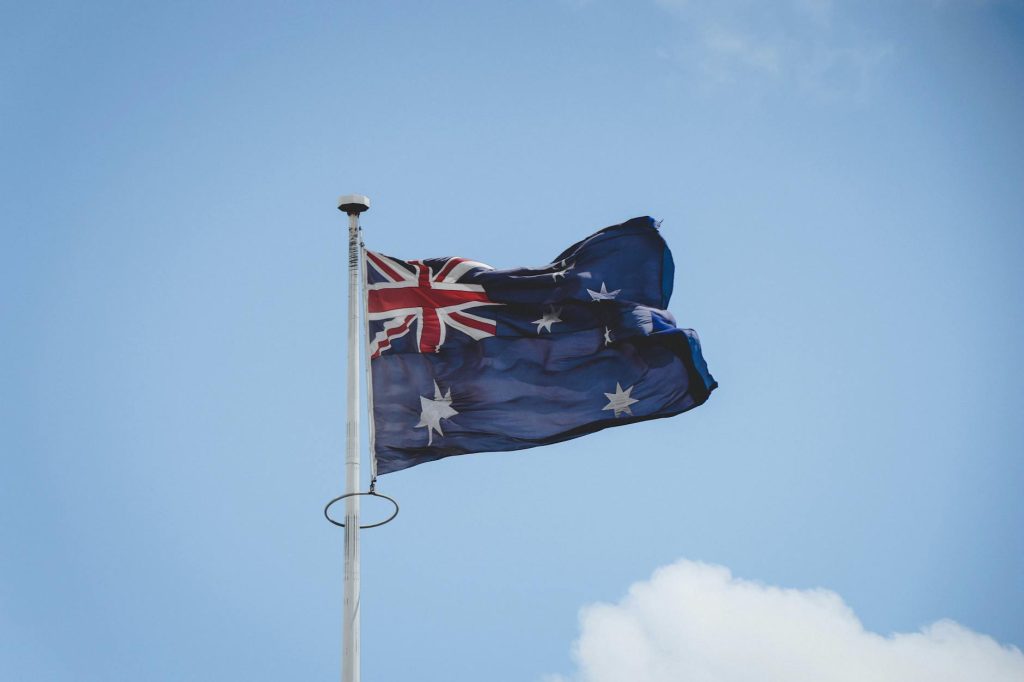
Photo by Hugo Heimendinger via Pexels