
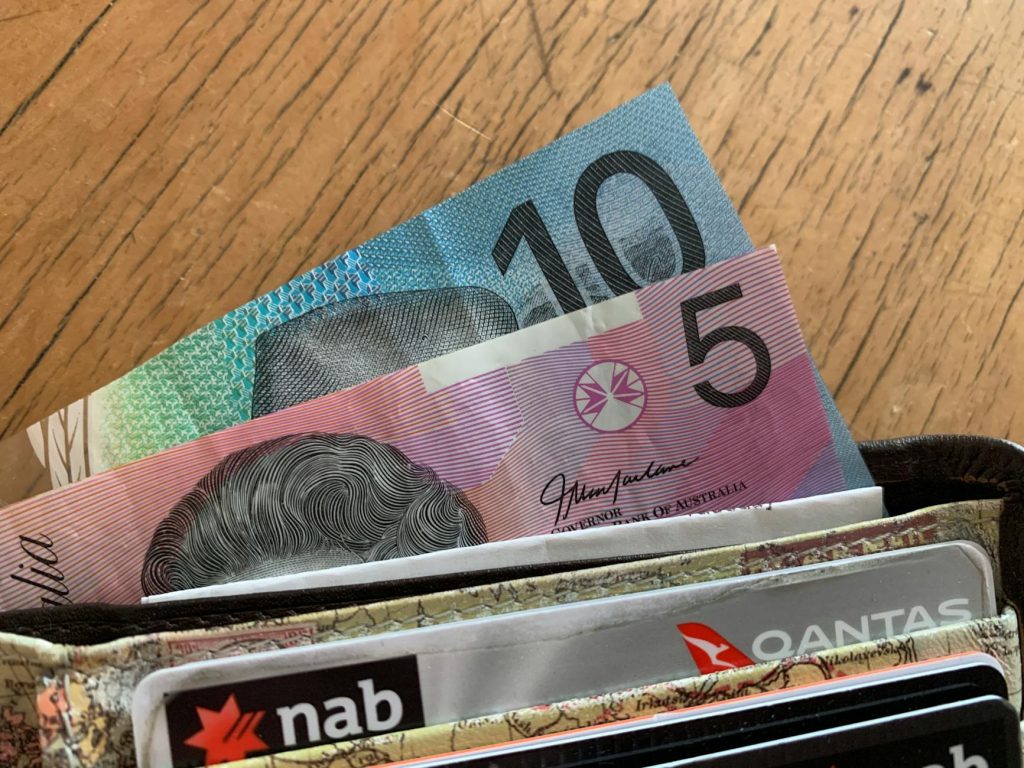
Australia’s economic landscape is experiencing significant turbulence, with ongoing economic shock driven by shifting budget spending priorities and growing concerns about job security across multiple sectors. Recent government fiscal adjustments have created ripple effects throughout investment markets, property valuations, and employment opportunities nationwide. When I first started tracking these economic indicators closely in 2023, the interconnected nature of these challenges became increasingly apparent.
The Reserve Bank of Australia’s latest data shows unemployment climbing to 4.1%, while government budget allocations have shifted away from several key infrastructure projects. This economic shock has particularly impacted construction, retail, and professional services sectors. It was overwhelming at first to see how quickly market sentiment can change investor confidence and household spending patterns.
Investment Market Implications and Property Sector Adjustments
Property markets are experiencing notable corrections as reduced budget spending on infrastructure projects dampens investor enthusiasm in previously hot markets. Sydney and Melbourne residential markets have seen price adjustments of 3-5% in outer suburban areas, while inner-city commercial properties face vacancy rate increases. Interest rate pressures combined with economic uncertainty have created a buyer’s market in many NSW regions.
Equity markets are reflecting similar volatility, with ASX construction and retail stocks experiencing particular pressure. Dividend yields on major bank stocks have become more attractive as share prices adjust, offering potential opportunities for long-term investors. However, the current economic shock suggests careful diversification remains essential for portfolio protection.
Employment Security and Career Planning Strategies
Jobs across multiple industries are facing restructuring pressures as companies adjust to reduced consumer spending and tighter credit conditions. Government sector positions, traditionally considered secure, are experiencing hiring freezes and some redundancies as budget spending priorities shift toward essential services. The professional services sector, including accounting, marketing, and consulting, has seen project-based work decline significantly.
Career resilience now requires developing multiple income streams and maintaining updated skills in emerging technologies. I was surprised by how straightforward it turned out to be for many professionals to transition into freelance or contract roles during this adjustment period. Remote work capabilities and digital skills have become essential differentiators in the current job market.
Financial Planning Through Economic Uncertainty
Building financial resilience requires reassessing emergency funds, insurance coverage, and investment strategies in light of current market volatility. Emergency funds should ideally cover 6-8 months of expenses, increased from the traditional 3-6 months recommendation given current economic conditions. High-yield savings accounts and term deposits are regaining popularity as safe havens during this period of economic shock.
Superannuation strategies need reviewing, particularly for those approaching retirement or considering salary sacrifice arrangements. The current market volatility presents both risks and opportunities for long-term retirement planning. Tax-effective investing through franking credits (tax offsets applied to dividend payments) and negative gearing arrangements require careful evaluation given changing property market dynamics.
Insurance coverage becomes particularly crucial during uncertain times, with income protection and life insurance providing essential security buffers. Many Australians discover gaps in their coverage only when economic pressures intensify, making now an ideal time for comprehensive policy reviews.
Navigating Australia’s shifting economic landscape requires proactive financial planning and realistic assessment of changing market conditions. The current economic shock affecting budget spending and jobs creates both challenges and opportunities for informed investors and career-focused individuals. Consider comparing insurance products and investment options through independent financial advice to ensure your strategy aligns with current economic realities and your personal circumstances.
Photo by Miles Burke via Pexels