
BanksiaPulse Editorial Team BanksiaPulse covers Australian news and finance with AI-assisted research, cross-checked against ATO, ABS, and official government sources. Published: July 04, 2026
What does flood damage coverage mean in car insurance policies?
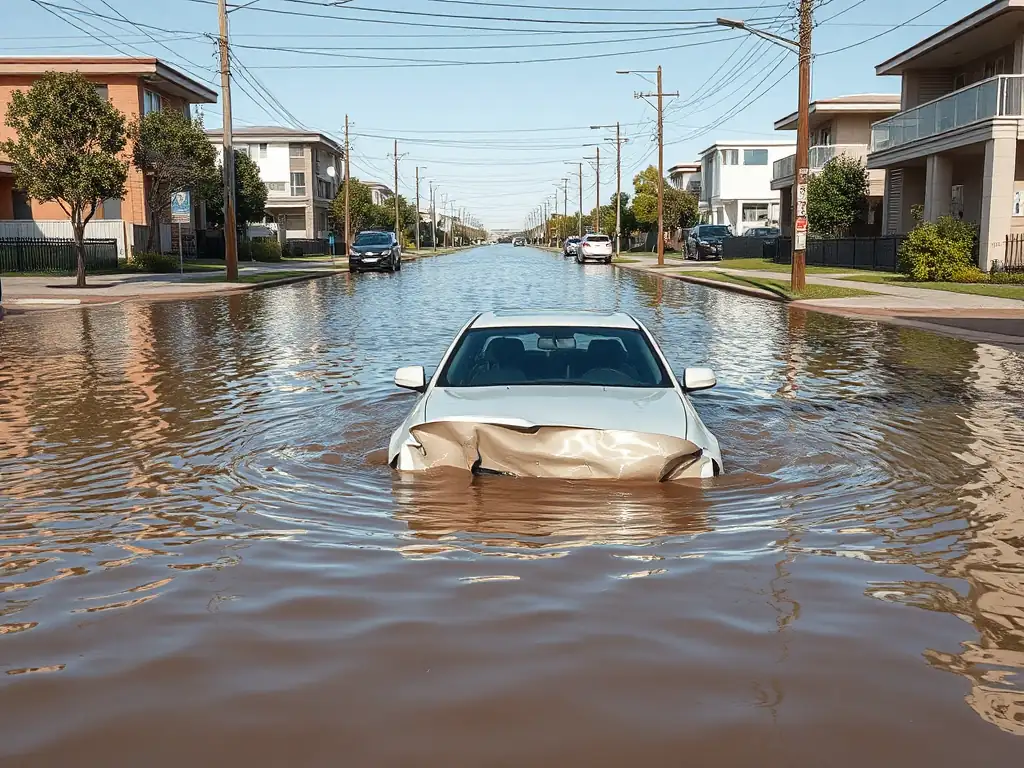
Flood damage coverage in car insurance policies refers to the protection offered against losses incurred when a vehicle is damaged by water due to natural flooding. This typically includes submersion in floodwaters, damage from rising water levels, or impact from debris carried by floodwaters. It’s a critical component for drivers in regions prone to extreme weather events, ensuring that the financial burden of repairing or replacing a water-damaged vehicle is covered by the insurer. Understanding the specifics of this coverage is vital, especially following severe weather events like those recently experienced in Victoria.
- What does flood damage coverage mean in car insurance policies?
- How can you check if your car insurance covers flood damage in Victoria?
- What’s the difference between comprehensive and third-party car insurance for flood protection?
- How much does flood coverage cost to add to your car insurance?
- What should you do immediately after flood damage to claim on your insurance?
- Which areas of Victoria have the highest flood risk and insurance costs?
- What are the common exclusions and limitations in flood-related car insurance claims?
How can you check if your car insurance covers flood damage in Victoria?
To check if your car insurance covers flood damage in Victoria, you must carefully review your policy PDS (Product Disclosure Statement) and any policy schedules. Look for explicit mentions of “flood cover” or “natural disaster cover” and understand its limitations. Contacting your insurer directly is the most reliable method to confirm your specific level of protection. They can clarify whether your current policy includes flood damage and any associated excess or conditions. Given the recent severe weather in Victoria, proactively verifying this detail can prevent significant financial distress.
What’s the difference between comprehensive and third-party car insurance for flood protection?
The primary difference between comprehensive and third-party car insurance regarding flood protection lies in the scope of coverage. Comprehensive car insurance typically includes cover for flood damage to your own vehicle, along with damage caused by other events like theft, fire, or accidents. Third-party car insurance, on the other hand, only covers damage you cause to other people’s vehicles or property. It generally does not cover damage to your own car, including that caused by floods. Therefore, for flood protection, comprehensive insurance is generally necessary.
Preparing for Victoria’s Weather: Flood Safety and Car Insurance for Australian Drivers
At BanksiaPulse, we understand that navigating Australia’s unpredictable weather can be stressful, especially when it impacts your vehicle. Comprehensive car insurance is essential for protecting yourself financially against flood damage, as recently underscored by the dramatic rescue of four people from a car swept away in Glenmaggie, Victoria. This incident highlights the severe risks associated with driving through floodwaters and the potential financial devastation if your vehicle sustains damage without adequate insurance. Understanding your policy is your first line of defence. For example, without the right coverage, a vehicle can become a total loss, leaving you to bear the full cost of replacement or repair, which can easily run into tens of thousands of dollars for newer models. The cost of vehicle damage from flooding can be substantial, impacting your financial stability. Data from the Insurance Council of Australia indicates that natural disaster claims, including floods, can reach hundreds of millions of dollars annually, affecting thousands of policyholders. Knowing your policy details ensures you can make a timely and accurate claim, minimising out-of-pocket expenses. This preparation is not just about having insurance; it’s about having the right insurance tailored to the risks you face as an Australian driver, particularly in flood-prone regions. For those in Victoria, where such events are not uncommon, ensuring robust flood cover is a critical part of responsible vehicle ownership.
What does flood damage coverage mean in car insurance policies?
Flood damage coverage in car insurance policies means your insurer will pay for repairs or replacement if your vehicle is damaged by rising water, inundation, or waterborne debris during a flood event. This protection is typically part of a comprehensive insurance package, designed to cover a wide array of perils beyond just accidental damage. When floodwaters enter a vehicle, they can cause catastrophic damage to the engine, electrical systems, interior, and structural components. The cost to repair such extensive damage can quickly exceed the vehicle’s market value, making this coverage particularly valuable. For instance, if your car is submerged in 1.5 meters of water, the repair bill could easily surpass $20,000 for mechanical and electrical issues alone, not including interior restoration. Understanding the nuances of flood cover is crucial for Australian drivers, especially in areas like Victoria, which has experienced significant flooding events. It’s not just about water rising; it’s about the comprehensive restoration of your vehicle to a safe and operational standard, a process that can be incredibly complex and costly without the right insurance. This coverage acts as a financial safety net, preventing a natural disaster from turning into a personal financial crisis.
The specifics of what constitutes flood damage can vary between insurers, but generally, it encompasses damage caused by natural flooding, including rivers overflowing, heavy rainfall leading to inundation, and storm surges. This is distinct from damage caused by burst pipes or leaking roofs within a private property, although policy wording should always be checked. Many comprehensive policies also cover damage from associated events like landslides or debris carried by floodwaters, which can cause significant impact damage. It’s important to remember that driving through floodwaters, as seen in the recent Glenmaggie incident, can void certain aspects of your insurance, even if you have flood cover, as it may be considered negligent. Therefore, the coverage is primarily for uncontrollable events, not for risks taken unnecessarily. This distinction is vital for Australian policyholders to comprehend when assessing their preparedness for extreme weather.
Ultimately, flood damage coverage provides peace of mind, knowing that a sudden natural event won’t result in a crippling financial loss for your vehicle. It allows you to focus on safety and recovery rather than the immediate, overwhelming costs of vehicle repair or replacement. The Australian context means that understanding these policies is paramount, given the diverse climate and the increasing frequency of extreme weather events impacting different regions of the country. By ensuring you have appropriate flood cover, you are making a wise investment in your financial security and well-being as a vehicle owner in Australia.
How can you check if your car insurance covers flood damage in Victoria?
Verifying flood damage coverage on your car insurance policy in Victoria requires a proactive approach, and the most direct method is to contact your insurance provider. Start by locating your Product Disclosure Statement (PDS), which is the legal document detailing the terms, conditions, inclusions, and exclusions of your policy. Within the PDS, look for sections related to “natural disaster cover,” “flood cover,” or “comprehensive benefits.” Pay close attention to any specific clauses or limitations mentioned regarding water damage. If the PDS is unclear or you need further clarification, a phone call or email to your insurer’s customer service is the best next step. Ask specific questions like, “Does my current policy cover damage caused by floodwaters inundating my vehicle?” and “Are there any specific conditions or excesses that apply to flood claims?” This direct communication ensures you receive accurate, up-to-date information pertaining to your individual policy, preventing any misunderstandings during a critical time.
Some insurers may offer a tiered approach to flood cover, with varying levels of protection and associated premiums. It’s essential to understand what level of coverage you currently have. For instance, some policies might only cover damage from water that enters the vehicle while it’s stationary, while others might offer broader protection. For drivers in Victoria, where flood events have occurred with concerning regularity, ensuring that your policy explicitly includes flood cover for situations like driving through inundated roads or having your car submerged at home is paramount. The recent rescue in Glenmaggie serves as a stark reminder of how quickly floodwaters can rise, and the need for preparedness extends beyond just having a policy; it involves knowing precisely what that policy covers and under what circumstances. This knowledge empowers you to make informed decisions about your vehicle and your safety during severe weather.
If you are considering a new policy or switching insurers, always make flood coverage a key point of inquiry. Compare quotes and policy documents from different providers, specifically asking about their approach to flood damage. Websites like MoneySmart offer valuable guidance on understanding insurance policies and comparing options across different providers. Don’t assume flood cover is standard; it often requires explicit inclusion within a comprehensive policy. By taking these steps, you can be confident that your car insurance provides the necessary protection against the financial impact of flood damage in Victoria and other at-risk areas across Australia.
What’s the difference between comprehensive and third-party car insurance for flood protection?
The fundamental distinction between comprehensive and third-party car insurance, particularly concerning flood protection, lies in what each policy type covers for your own vehicle. Comprehensive car insurance is the most extensive type of cover available and is designed to protect you against a wide range of risks, including damage to your own car from events like floods, fire, theft, vandalism, and collisions. If your car is damaged by floodwaters, and you hold a comprehensive policy that includes flood cover, your insurer will typically pay for the necessary repairs or contribute towards the cost of a replacement vehicle, subject to your policy’s terms and excess. This is crucial in situations like the recent flooding in Victoria, where vehicles can be completely submerged, rendering them write-offs without substantial financial backing.
In contrast, third-party car insurance offers a more limited scope of protection. It primarily covers your liability for damage you cause to other people’s vehicles or property. This means if you were to accidentally cause an accident that damages another car, your third-party insurance would cover the cost of repairing that other car. However, it generally does not cover any damage sustained by your own vehicle. Consequently, if your car is damaged by floodwaters while you are insured only under a third-party policy, you would be responsible for the entire cost of repairs or replacement yourself. This can amount to tens of thousands of dollars, a significant financial burden that could be avoided with comprehensive coverage. For Australian drivers, especially those in flood-prone areas, opting for comprehensive insurance is a wise investment in safeguarding your assets against unforeseen events like severe weather.
Therefore, for drivers seeking protection against flood damage to their own vehicle, comprehensive car insurance is the necessary choice. It’s important to note that even within comprehensive policies, flood cover may be an optional extra or have specific conditions attached, such as a higher excess or limitations on claims if driving through known flooded areas. Always scrutinise your PDS and speak directly with your insurer to confirm the exact nature and extent of flood protection provided by your comprehensive policy. This ensures you are not caught out during a crisis, allowing for a smoother claims process and greater peace of mind.
How much does flood coverage cost to add to your car insurance?
The cost to add flood coverage to your car insurance can vary significantly, as it’s not always a standalone product but often an integrated feature within comprehensive policies or an optional add-on. Insurers consider several factors when determining the premium for flood coverage, including the vehicle’s make, model, and age, your driving history, your location (which accounts for flood risk), and the level of excess you choose. For a typical comprehensive policy in Australia, flood cover is often included as standard, meaning there isn’t a separate, itemised cost. However, for vehicles or locations deemed high-risk, insurers might adjust the overall premium or charge an additional amount, potentially ranging from an extra $50 to $200 per year for the enhanced protection, though this figure is an estimation and actual costs can differ. It’s imperative to get a personalised quote.
The geographical location of the vehicle plays a substantial role. Areas with a history of frequent or severe flooding, such as parts of regional Victoria, may attract higher premiums for comprehensive policies that include flood cover. Insurers analyse historical data and environmental factors to assess risk. Similarly, the type of vehicle matters; high-value or specialised vehicles might incur higher costs for comprehensive coverage, including flood protection. The excess amount you opt for also impacts the premium. A higher excess (the amount you pay towards a claim) generally leads to a lower premium, and this applies to flood damage claims as well. When comparing policies, it’s vital to look beyond the base premium and understand the total cost, including any specific flood-related excess and the overall coverage provided. According to the Australian Securities and Investments Commission (ASIC), understanding policy variations is key to finding the best value.
To get an accurate cost for flood coverage, the best approach is to obtain quotes from multiple insurance providers. Many online comparison tools can help you see how different policies stack up, but it’s always recommended to verify the details directly with the insurer. Ensure you explicitly ask about flood damage cover and any associated costs or conditions. For example, if you live in a flood-prone area of Victoria and drive a popular SUV, your comprehensive policy with flood cover might cost approximately $1500 annually, compared to $1000 for a similar policy in a lower-risk area, with an average excess of $800 for flood claims. This highlights the importance of location and vehicle specifics in pricing.
What should you do immediately after flood damage to claim on your insurance?
Immediately after your vehicle has sustained flood damage, your first priority should be safety. If your car is still in floodwaters, do not attempt to start it or move it if it’s unsafe to do so. Wait for professional rescue services if you are trapped, as exemplified by the recent rescue in Glenmaggie, Victoria. Once you are in a safe location and it is possible to assess the damage, your next crucial step is to contact your insurance provider as soon as possible to lodge a claim. Most insurers have a claims reporting process that can be initiated online, via a mobile app, or by phone. Prompt reporting is essential, as delaying a claim can sometimes complicate the process or even affect the payout, especially if further damage occurs due to negligence in securing the vehicle or preventing additional harm. For example, if water has entered the engine, attempting to start it can cause much more severe internal damage, which might be viewed unfavourably by the insurer.
Gather as much evidence as you can to support your claim. This includes taking clear photographs or videos of the flood damage, showing the extent of water ingress, any damaged components, and the surrounding environment. Document the date and time the damage occurred and any contributing factors. If possible, try to move the vehicle to a safe, dry location without starting the engine if it has been submerged. This might involve having it towed by a professional service. Keep records of all communication with your insurer, including claim numbers, names of representatives you speak with, and dates of calls or correspondence. If you incur any immediate costs for securing or towing your vehicle, keep all receipts, as these may be reimbursable under your policy. The Insurance Council of Australia provides guidelines on the claims process following natural disasters, which can be a helpful resource during this stressful period.
Understand that your insurer will likely arrange for an assessor to inspect the damage. Cooperate fully with their assessment and provide them with all the information and evidence you have gathered. Be honest and transparent about the circumstances of the damage. For instance, if your car was submerged up to the dashboard, be sure to communicate this detail accurately. The assessor’s report will form the basis for the insurer’s decision on your claim. If the damage is extensive, the insurer will determine if the vehicle is repairable or if it will be declared a total loss. In the latter case, they will offer a settlement based on the market value of your car just before the flood damage occurred. Navigating this process efficiently ensures you receive the compensation you are entitled to under your car insurance policy.
Which areas of Victoria have the highest flood risk and insurance costs?
Certain areas within Victoria are statistically more susceptible to flooding due to their geographic features, including proximity to rivers, low-lying terrain, and historical weather patterns. Regions along major river systems like the Murray River, Goulburn River, Loddon River, and parts of the Latrobe Valley are frequently identified as high-risk flood zones. Towns and rural areas situated in these catchments, such as those in the Murray-Darling Basin and along the Gippsland coast, have historically experienced significant flood events. Specific municipalities often cited for their flood risk include those in the North East, along the Murray River in the north, and parts of the Western District. The recent flooding in Glenmaggie highlights how even smaller, regional communities can be severely impacted. The Australian Government’s Bureau of Meteorology and state-based emergency services provide detailed flood mapping resources, which are invaluable for understanding local risk levels.
The increased flood risk in these identified areas directly correlates with higher insurance costs for vehicles, particularly for comprehensive policies that include flood cover. Insurers use actuarial data and risk modelling to price policies, and locations with a greater probability of flood damage will naturally command higher premiums. This is because the likelihood of a claim being made is greater in these regions, meaning the insurer anticipates paying out more in claims over time. While it’s difficult to provide exact figures without specific policy details and vehicle information, a comprehensive car insurance policy in a high-risk flood zone in Victoria could be anywhere from 15% to 30% more expensive than an identical policy in a low-risk area. For example, a policy that might cost $1,200 annually in a low-risk suburb could easily climb to $1,500-$1,800 in a flood-prone rural area.
Furthermore, the specific excess applied to flood claims can also be higher in high-risk areas. This means that in the event of a flood-related claim, you would be required to pay a larger portion of the repair or replacement cost yourself. It’s crucial for Victorian residents in these areas to consult flood maps and disaster preparedness resources provided by entities like the Victorian Government to understand their personal risk and to obtain tailored insurance quotes that accurately reflect their location. Proactive risk assessment and informed insurance choices are vital for financial resilience in flood-prone parts of Victoria.
What are the common exclusions and limitations in flood-related car insurance claims?
While flood damage coverage can be a lifesaver, it’s essential to be aware of the common exclusions and limitations that insurers often impose to manage risk and prevent fraudulent claims. One of the most significant exclusions across almost all policies relates to damage incurred while deliberately driving through floodwaters, especially if a road is closed or signs indicate it’s unsafe. The incident in Glenmaggie, Victoria, where a car was swept away while people were inside, serves as a prime example of how driving through floodwaters can lead to complexities with claims, even if flood cover is present. Insurers may deem such actions as negligence, potentially leading to claim rejection or a significantly reduced payout. Another common exclusion is damage caused by gradual water ingress or poor maintenance, such as a leaky sunroof or faulty seals that allow water in over time rather than from a sudden inundation event.
Limitations in flood coverage can also manifest in several ways. Many policies have a specific “flood excess” that is higher than your standard excess. This means that when you make a flood damage claim, you’ll need to pay this larger amount upfront. For instance, while your standard excess might be $500, the flood excess could be $1,000 or more. Additionally, some policies may limit the amount they will pay for flood damage to the market value of the vehicle at the time of the loss. If your car is old and has depreciated significantly, the payout might not be enough to purchase a comparable replacement vehicle. There can also be limitations on covering the cost of temporary accommodation or hire cars if your primary vehicle is damaged by flood and declared a total loss, with specific daily limits or total claim caps applying. Understanding these specifics is vital for managing expectations and ensuring you don’t face unexpected financial shortfalls.
Furthermore, insurers might exclude damage from contaminated floodwaters or from the vehicle being used in certain ways, such as for commercial purposes if the policy is for private use. They may also have specific requirements for how the vehicle is stored, particularly if you live in a high-risk area. For example, if you have been repeatedly warned about flood risks and failed to take reasonable precautions to protect your vehicle, this could impact your claim. Always refer to your PDS for the precise wording on exclusions and limitations related to flood damage. For up-to-date information on general insurance principles and consumer rights, the Australian Securities and Investments Commission (ASIC) website offers valuable resources.