
BanksiaPulse Editorial Team For more information, visit the MoneySmart insurance guide. BanksiaPulse covers Australian news and finance with AI-assisted research, cross-checked against ATO, ABS, and official government sources. Published: July 04, 2026
Understanding Homeowners Insurance After a House Fire
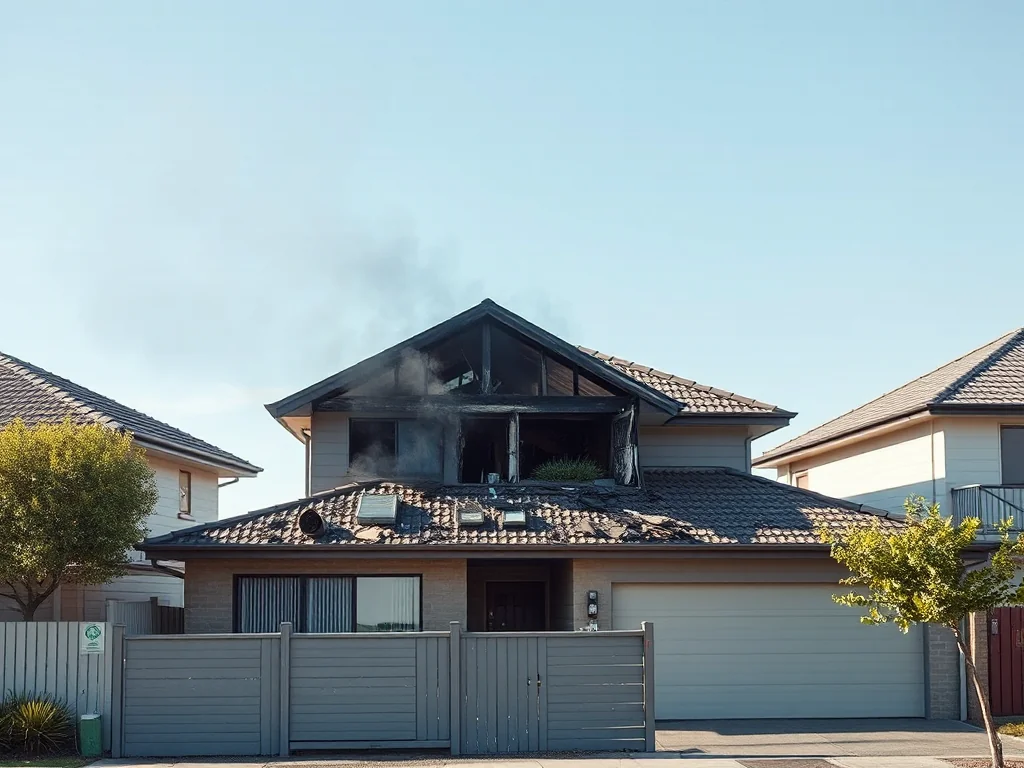
Homeowners insurance is designed to offer financial protection against specified perils, including fire, and understanding its nuances is crucial for navigating the aftermath of a house fire. At BanksiaPulse, we aim to demystify the complexities of home insurance to empower Australian homeowners. Following a tragic house fire in Springvale South overnight that claimed the life of a man in his 60s, this information becomes even more critical. A recent report from the Australian Bureau of Statistics indicated that in the 2022-23 financial year, over 10,000 residential fires were reported across Australia, highlighting the persistent risk homeowners face. For those in New South Wales, understanding your policy’s specifics can mean the difference between swift recovery and prolonged hardship. Therefore, becoming familiar with your insurance coverage and the claims process is an essential part of responsible homeownership, ensuring you can rebuild your life and property with confidence.
- What does homeowners insurance actually cover in a house fire?
- How do you file an insurance claim after a house fire?
- What information do insurance adjusters need to assess fire damage?
- How long does it take to get paid after filing a fire damage claim?
- What types of house fires are not covered by standard homeowners insurance?
- How can you reduce your homeowners insurance premiums with fire safety measures?
- What’s the difference between replacement cost and actual cash value for fire claims?
What does homeowners insurance actually cover in a house fire?
Homeowners insurance generally covers the cost of repairing or rebuilding your home and replacing your personal belongings damaged or destroyed by a fire. This protection typically extends to the structure of your house, including walls, roofs, and foundations, as well as attached structures like garages. Your personal property, such as furniture, clothing, and electronics, is also usually covered, though often up to a certain limit. Furthermore, policies often include additional living expenses (ALE), which cover costs like temporary accommodation, meals, and transportation if you’re unable to live in your home due to fire damage. For example, if a fire in your Sydney home necessitates a month in a hotel and increased dining expenses, ALE would help defray these costs. It’s vital to review your specific policy documents to understand the exact scope of coverage, including any deductibles (the amount you pay out-of-pocket before insurance kicks in) and coverage limits. The Australian Competition and Consumer Commission (ACCC) advises consumers to compare policies carefully to ensure they meet individual needs and circumstances. Having a clear understanding of what’s covered is the first step to a smoother claims process when the unthinkable happens.
The typical structure of a homeowners insurance policy in Australia includes several key components designed to safeguard your property and your finances. Dwelling coverage is the core, paying for damage to the physical structure of your home. Personal property coverage protects your belongings, typically up to a percentage of your dwelling coverage limit. Loss of use, or additional living expenses, is a crucial but often overlooked component that provides for your temporary living costs if your home becomes uninhabitable due to a covered event like a fire. Many policies also include liability coverage, which protects you if someone is injured on your property and sues you for damages, though this is less directly related to the immediate aftermath of a fire damage claim itself. For instance, if a neighbour’s fence encroaches onto your property and a fire starts there, your policy might extend to cover some aspects of the resulting damage and associated legal costs if you were deemed liable. The Australian Securities and Investments Commission (ASIC) provides resources to help consumers understand different types of insurance. Knowing these components is essential for making informed decisions during policy selection and during the claims process. This comprehensive approach aims to restore your home and lifestyle as closely as possible to their pre-fire condition, offering much-needed peace of mind.
It’s also important to distinguish between different types of property covered. While the main dwelling is primary, policies often extend to other structures on your property, such as detached garages, sheds, or even fences. However, the coverage limits for these auxiliary structures might be lower than for the main house. Understanding these distinctions can prevent unexpected shortfalls in your claim settlement. For example, if a fire damages your detached workshop, its coverage might be capped at 10% of your main dwelling’s coverage limit, a common provision outlined by APRA in their general insurance guidelines. Therefore, ensuring adequate coverage for all structures on your property is a wise preventative measure. Reviewing your policy annually, or after significant property modifications, is a proactive step that ensures your insurance remains aligned with your current needs and asset values, particularly in rapidly appreciating property markets like those seen in Sydney and Melbourne.
How do you file an insurance claim after a house fire?
Filing an insurance claim after a house fire involves several immediate and subsequent steps to ensure a smooth and efficient process. The very first action to take, after ensuring everyone’s safety and contacting emergency services if necessary, is to notify your insurance company as soon as possible. Many insurers have dedicated claims hotlines or online portals for reporting incidents. BanksiaPulse recommends having your policy number readily available when you make contact. You will likely be assigned a claims adjuster who will guide you through the next stages. This adjuster’s role is to investigate the damage, assess the extent of loss, and determine the payout based on your policy terms. It’s essential to document everything meticulously, from the initial call to the insurer to every conversation with the adjuster and every piece of damaged property. Taking photographs and videos of the damage, if safe to do so, can serve as invaluable evidence for your claim. For instance, a clear video walkthrough of the fire-damaged rooms can help the adjuster visualise the destruction. The Australian government’s MoneySmart website offers guidance on lodging insurance claims, stressing the importance of promptness and thorough documentation.
The claims process begins with an initial notification and usually involves an assessment by a qualified insurance adjuster. This adjuster will visit your property to inspect the damage, which often includes structural integrity, smoke and water damage, and the extent of personal property loss. They will work to create a detailed report, estimating the cost of repairs and replacements. It’s advisable to be present during this inspection if possible, to point out any damage that might be less obvious. Following this assessment, the insurer will review the adjuster’s report and compare it against your policy’s terms and conditions. You’ll then receive a settlement offer, which you can accept or negotiate if you believe it doesn’t accurately reflect your losses. For example, if the initial offer for replacing damaged furniture seems low based on current market prices in Melbourne, you can provide evidence of higher costs to negotiate a better settlement. This stage often requires patience and clear communication. The Australian Prudential Regulation Authority (APRA) oversees the insurance industry, and understanding their regulatory framework can provide context for the claims process.
To facilitate the claims process, it’s crucial to gather specific documentation. This includes your insurance policy number, contact details of your insurance company and assigned adjuster, and a detailed inventory of all damaged or destroyed items. For valuable items like electronics, jewellery, or art, you may need to provide receipts, appraisals, or photographs as proof of ownership and value. If your home is uninhabitable, keep meticulous records of all additional expenses incurred, such as hotel bills, meals, and transportation costs. A structured inventory list, perhaps a spreadsheet detailing each item, its estimated replacement cost, and any identifying information (like serial numbers), is incredibly beneficial. For instance, a detailed list of appliances with their purchase dates and model numbers can expedite the replacement claim. This level of detail is not just for the adjuster; it helps you keep track of your losses and ensures nothing is overlooked, which is critical when rebuilding your life after such a devastating event.
What information do insurance adjusters need to assess fire damage?
Insurance adjusters require comprehensive information to accurately assess fire damage and process your claim efficiently. Primarily, they need access to your insurance policy details, including your policy number, coverage limits, and deductibles. This information forms the basis of their assessment and allows them to determine what is covered under your policy. Beyond policy specifics, adjusters will need a detailed inventory of all damaged or destroyed personal property. This inventory should ideally include descriptions of items, their approximate age, original cost, and estimated replacement cost. For high-value items, receipts, appraisals, or even photographs from before the fire can be crucial supporting evidence. For example, if your antique dining table was destroyed, providing an appraisal or dated photos can justify a higher replacement value claim. The Australian government’s MoneySmart website emphasizes the importance of documenting your possessions to aid in claims processing.
When assessing fire damage, adjusters will meticulously examine the physical structure of your home. This involves evaluating the extent of charring, smoke damage, and structural compromises to walls, ceilings, floors, and the roof. They will also assess water damage, often caused by firefighting efforts, and potential mould growth that could arise from lingering moisture. Beyond the visible damage, adjusters may use specialized equipment to detect hidden structural weaknesses or assess the extent of smoke residue penetration into building materials. For instance, they might use thermal imaging cameras to identify areas where heat has compromised insulation or structural elements. Their report will detail the necessary repairs or rebuilding work, often in consultation with contractors. The Australian Prudential Regulation Authority (APRA) sets standards for general insurance claims handling, ensuring adjusters operate within a regulated framework. Understanding that their assessment is thorough and often involves expert analysis helps set realistic expectations.
In addition to property damage, adjusters need details about any additional living expenses you’ve incurred. This includes receipts for temporary accommodation, increased food costs, transportation, and other essential expenses necessary because you can’t live in your home. Keeping a log of these expenses, with corresponding receipts, is vital. For example, if you’ve had to pay for laundry services or storage for salvaged belongings, these costs should be documented. They will also require information about any immediate repairs or mitigation efforts you’ve undertaken to prevent further damage, such as tarping a damaged roof. It’s important to obtain consent from your insurer before undertaking significant repairs, where possible, to ensure they are covered. The Australian Competition and Consumer Commission (ACCC) advises consumers to keep clear records of all communications and expenses related to their claim. This diligence ensures that all legitimate costs associated with the fire event are considered in the settlement. This thorough documentation process is fundamental to achieving a fair and comprehensive claim resolution, reflecting the true impact of the fire on your life.
Additional resources are available at the ASIC consumer insurance information.
How long does it take to get paid after filing a fire damage claim?
The timeframe for receiving payment after filing a fire damage claim can vary significantly, often depending on the complexity of the damage, the insurer’s internal processes, and the accuracy of the information provided. While some smaller claims might be settled within a few weeks, larger or more complex claims, especially those involving extensive structural damage or disputes over valuation, can take several months. A common benchmark for initial settlements on straightforward claims is between 30 to 60 days. However, it’s not unusual for the final payout to extend beyond this period, particularly if additional repairs are identified or negotiations are ongoing. The Australian government’s MoneySmart website acknowledges that claim processing times can be lengthy, especially after major disasters. For instance, after a widespread event, insurers may face a surge in claims, potentially slowing down the process for all policyholders. Patience and persistent, polite communication with your insurer are key during this phase.
Initial payments often cover immediate needs, such as temporary accommodation and essential personal property replacement, to help you get back on your feet. These interim payments are crucial for alleviating immediate financial strain. For example, an insurer might quickly release funds to cover your first month’s rent in temporary housing. The remaining settlement, covering the full repair or rebuilding costs, is typically issued once all damage has been assessed, repair estimates finalised, and all documentation verified. If your claim involves rebuilding, payments may be disbursed in stages as construction progresses, ensuring funds are allocated appropriately to the restoration work. This phased approach helps manage the overall financial outlay for both the insurer and the homeowner. The Australian Securities and Investments Commission (ASIC) provides consumer guides that detail typical claim resolution timelines and what to expect.
Several factors can influence the speed of your payout. The thoroughness and accuracy of the documentation you provide play a significant role; incomplete or missing information will invariably cause delays. Similarly, the complexity of the damage, the need for specialized assessments (e.g., by structural engineers or fire investigators), and any potential disputes over the scope of work or replacement costs can extend the timeline. The efficiency of your insurance company’s claims department and the availability of adjusters also contribute. If you are dealing with a major natural disaster, like widespread bushfires or floods that impact large areas of Australia, the sheer volume of claims can significantly lengthen processing times for everyone. Staying organised, responding promptly to insurer requests, and maintaining clear, documented communication can help expedite the process. Keeping detailed records of all communications, including dates, times, and names of people you spoke with, can be invaluable if there are any disagreements or delays.
What types of house fires are not covered by standard homeowners insurance?
While homeowners insurance provides broad protection, certain types of house fires and circumstances are typically excluded from standard policies. One common exclusion is damage resulting from intentional acts or arson committed by the policyholder. If it’s proven that you deliberately set fire to your property, your insurance claim will likely be denied. Another exclusion often relates to damage caused by lack of maintenance or wear and tear that exacerbates fire damage. For instance, if a faulty electrical wire that had been flagged as needing repair for years ignites a fire, the insurer might argue that the pre-existing issue, rather than a sudden event, contributed significantly to the loss. It’s crucial to maintain your home in good condition to ensure coverage. For example, regularly inspecting and updating old wiring, especially in older Sydney homes, is a proactive measure. The Australian Competition and Consumer Commission (ACCC) advises consumers to read their PDS (Product Disclosure Statement) carefully for exclusions.
Fires caused by natural disasters not specifically covered by your policy are another area of exclusion. While standard policies cover fires from common causes like electrical faults or cooking accidents, they might not cover fires originating from events like earthquakes or volcanic eruptions, unless you have a specific endorsement or separate policy for such perils. Some policies also exclude damage from war or civil unrest. For policyholders in areas prone to bushfires, it’s vital to ensure their policy explicitly covers fire damage stemming from these events, as specific conditions and higher premiums may apply. For example, homes in designated bushfire-prone areas in NSW may have specific requirements for fire-resistant materials and defensible space. The Australian Securities and Investments Commission (ASIC) offers resources to help consumers understand policy exclusions and choose appropriate coverage. Understanding these limitations is key to ensuring you have adequate protection for all foreseeable risks.
Furthermore, issues related to illegal activities or renovations not up to code can also void your fire insurance coverage. If a fire originates from an unpermitted and poorly constructed addition to your home, your insurer may deny the claim. Similarly, damage arising from the use of certain highly flammable materials that are not handled or stored correctly, as per regulations, might also be excluded. Some policies also have specific exclusions for damage caused by pests, such as rodents chewing through electrical wires, leading to a fire. The Australian Prudential Regulation Authority (APRA) provides guidance on general insurance practices, which includes detailing common policy exclusions. Always consult your PDS and speak with your insurance provider to clarify any ambiguities regarding exclusions, especially if you live in an area with specific risks, like flood-prone zones or high bushfire frequency, ensuring you’re not caught off guard by an uninsured loss.
How can you reduce your homeowners insurance premiums with fire safety measures?
Implementing robust fire safety measures can significantly reduce your homeowners insurance premiums, as insurers view safer homes as lower risk. Demonstrating a commitment to fire prevention shows your insurer that you are proactively managing potential hazards. This can translate into tangible savings on your annual premiums. For instance, installing a comprehensive smoke detection system interconnected throughout your home, including in bedrooms and hallways, can lead to premium discounts. Many insurers offer reductions for homes equipped with monitored alarm systems that alert both you and the fire department. For homeowners in areas like those surrounding Sydney, where bushfire risk is a concern, taking specific measures such as clearing flammable vegetation around your property and using fire-resistant building materials can also lead to lower insurance costs. The Australian government’s MoneySmart website advises that proactive safety measures can influence insurance costs.
Regular maintenance of your home’s electrical systems and heating appliances is another critical factor in reducing fire risk and, consequently, insurance premiums. Old or faulty wiring is a leading cause of house fires, and insurers often provide discounts for homes that have recently had their electrical systems inspected and certified by a qualified electrician. Similarly, ensuring your heating systems, including fireplaces and chimneys, are regularly cleaned and maintained can prevent fires and may be recognised by your insurer with a premium reduction. Keeping your home tidy and free of excessive clutter, especially in areas where flammable materials are stored, also contributes to a lower risk profile. For example, ensuring that stored flammable liquids in your garage are in approved containers and away from ignition sources is a basic but important safety step recognised by many insurers. The Australian Competition and Consumer Commission (ACCC) encourages consumers to adopt safety practices to reduce household risks.
Beyond structural and maintenance aspects, having appropriate fire suppression equipment readily available can also influence your premiums. Keeping modern, well-maintained fire extinguishers in key locations like the kitchen and garage, and ensuring your family knows how to use them, demonstrates a preparedness for emergencies. Some policies may offer small discounts for homes equipped with sprinkler systems, although these are less common in residential properties outside of new builds or high-end residences. Furthermore, educating all household members about fire safety practices, including escape routes and meeting points, creates a safer environment and can indirectly contribute to a lower risk perception by your insurer. The Australian Securities and Investments Commission (ASIC) suggests that a proactive approach to home safety can yield financial benefits. By implementing and documenting these fire safety measures, you’re not only protecting your home and loved ones but also potentially saving money on your homeowners insurance.
What’s the difference between replacement cost and actual cash value for fire claims?
The difference between replacement cost and actual cash value (ACV) is a critical distinction when settling a fire damage claim, significantly impacting the amount you receive. Replacement cost coverage pays to replace your damaged property with new items of similar kind and quality, without deducting for depreciation. For example, if your five-year-old television was destroyed in a fire, replacement cost coverage would pay for a brand-new television of equivalent features. Actual cash value, on the other hand, pays the current market value of the damaged item at the time of the loss, taking into account depreciation. Using the same television example, ACV coverage would pay the depreciated value of your five-year-old TV, which would be less than the cost of a new one. The Australian Securities and Investments Commission (ASIC) explains these concepts in its consumer guides. Having replacement cost coverage generally provides a more comprehensive payout, helping you restore your property to its pre-loss condition without a significant out-of-pocket expense.
Actual cash value is typically determined by taking the replacement cost of an item and subtracting its depreciation. Depreciation accounts for an item’s age, condition, and expected lifespan. For example, a roof that was expected to last 30 years and is 15 years old will have depreciated by 50% under an ACV policy. So, if the replacement cost of the roof is $20,000, the ACV payout might only be $10,000. This means you would need to pay the remaining $10,000 yourself, plus any deductible, to replace the roof. This is why ACV coverage can be problematic for homeowners, as it often doesn’t provide enough funds to fully replace damaged belongings or structures. For instance, if a fire destroyed a decade-old washing machine, the ACV payout would be considerably less than buying a new one. The Australian Competition and Consumer Commission (ACCC) recommends understanding which valuation method your policy uses.
Most standard homeowners insurance policies in Australia offer replacement cost coverage for the dwelling itself, meaning the cost to rebuild your home structure. However, for personal property (contents), policies can be structured with either replacement cost or ACV coverage, or a combination. Some policies might offer replacement cost for certain items and ACV for others, or have different limits for each. It’s essential to check your Product Disclosure Statement (PDS) carefully to understand what your policy provides. If your policy only covers ACV for contents, you may have the option to purchase a replacement cost endorsement or rider to upgrade your coverage. This would involve paying a higher premium but could offer substantial financial benefit in the event of a fire, particularly for items that depreciate rapidly. For example, upgrading to replacement cost for your electronics and furniture could be a wise investment, ensuring you can replace them with similar new items if a fire occurs. The Australian Prudential Regulation Authority (APRA) oversees the insurance industry, and policies must comply with their standards, but understanding your specific policy’s terms remains paramount.