

BanksiaPulse Editorial Team For more information, visit the MoneySmart savings guide. BanksiaPulse covers Australian news and finance with AI-assisted research, cross-checked against ATO, ABS, and official government sources. Published: July 12, 2026
Perth Man’s Bali Death: Family Seeks Answers on Immigration Detention Circumstances
The family of Cameron Hughes, a Perth man who passed away in a Bali immigration detention centre, is seeking crucial clarity regarding the circumstances surrounding his death, particularly in relation to his visa status and the events leading up to his passing. At BanksiaPulse, we understand the deep distress and unanswered questions that arise when such a tragedy occurs far from home, prompting a closer look at the intricacies of Indonesian immigration law and the rights of individuals in detention. This situation underscores the importance of understanding visa regulations and the potential consequences of violations, even for short-term visitors. While the specifics of Hughes’s case are still unfolding, the questions his family is raising highlight a broader concern for Australian citizens travelling abroad, especially concerning interactions with foreign authorities. The Indonesian Ministry of Law and Human Rights oversees immigration matters, and their detention facilities are managed under specific legal frameworks designed to process individuals who have contravened immigration laws. The initial report of Hughes’s death in Bali has sent ripples of concern, particularly for those with loved ones or who themselves have travelled to the popular tourist destination. Understanding the processes involved when an Australian citizen encounters immigration issues overseas is paramount for preventing similar situations and ensuring appropriate protocols are followed.
- What are the visa requirements for Australian citizens traveling to Bali, Indonesia?
- How does immigration detention work in Indonesia and what are the legal grounds?
- What types of visas can visitors obtain for Bali and how do they differ?
- What are the risks of visa violations and overstaying in Indonesia?
- How can travelers avoid immigration issues when visiting Bali?
- How can families seek legal assistance if a loved one dies in foreign immigration custody?
- Frequently Asked Questions
A crucial first step for any Australian considering travel to Indonesia, including Bali, is understanding the required visa types and their associated conditions. Different purposes of visit necessitate different visa categories, each with its own set of application procedures, duration limits, and renewal possibilities. For instance, a standard tourist visa, often referred to as a Visa on Arrival (VOA), allows for a certain period of stay for leisure purposes. However, it’s vital to adhere strictly to the stipulated timeframes, as overstaying can lead to significant penalties. For longer stays or specific purposes such as work or study, more complex visa applications are necessary, often requiring sponsorship or detailed documentation. The Indonesian Directorate General of Immigration is the primary authority responsible for issuing and managing all visa categories for entry into the country. For Australians, a common tourist visa allows for an initial stay of 30 days and can be extended once for another 30 days. Beyond these basic tourist arrangements, any deviation from intended travel plans or stay durations requires immediate attention to ensure compliance with Indonesian law. Navigating these requirements is essential to avoid unintended complications during a visit, especially when dealing with the strict enforcement of immigration regulations.
What are the visa requirements for Australian citizens traveling to Bali, Indonesia?
Australian citizens travelling to Bali, Indonesia, must possess the correct visa for their intended purpose and duration of stay to avoid significant legal repercussions. The most common entry for short-term tourism is the Visa on Arrival (VOA), which allows for an initial stay of 30 days and can be extended once for an additional 30 days, provided all requirements are met and the application is lodged correctly before the initial expiry. This visa is typically purchased upon arrival at designated immigration checkpoints. For longer stays or different purposes, such as business meetings, visiting family, or academic pursuits, a pre-approved visa obtained from an Indonesian embassy or consulate abroad is usually mandatory. The specific requirements and application processes can vary, often necessitating official invitation letters, proof of financial means, and detailed itineraries. Failure to comply with these entry requirements can lead to detention, fines, deportation, and future travel bans, making meticulous planning and accurate documentation essential for all Australian travellers. Understanding these fundamental visa requirements is the first line of defence against potential immigration issues while visiting Indonesia.
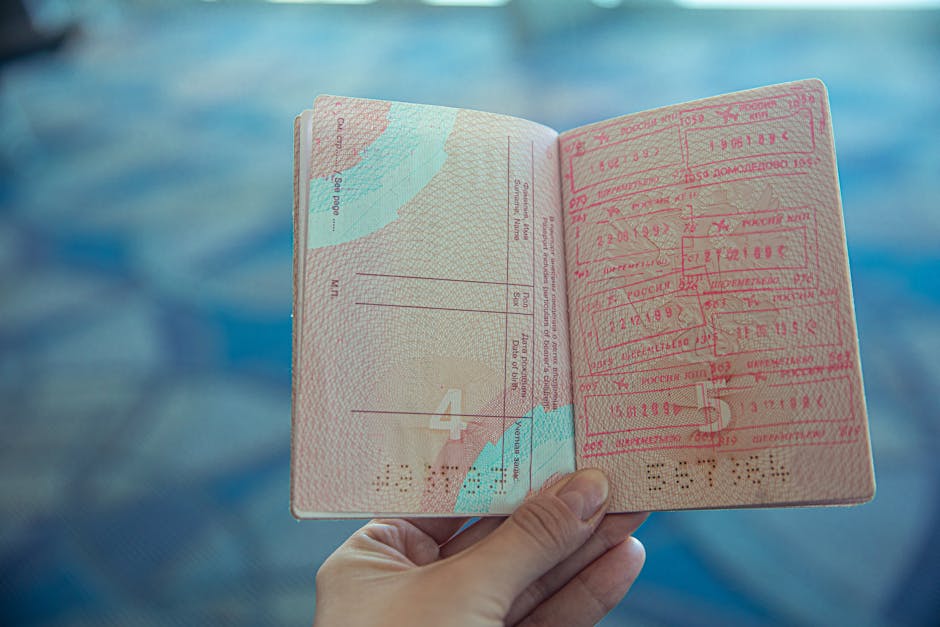
The Indonesian government has established a clear framework for foreign nationals entering its territory, and Australian citizens are not exempt. The onus is on the traveller to be informed and compliant. For example, if an Australian wishes to engage in paid work while in Bali, they would require a work visa (KITAS), which involves a rigorous application process often requiring a local sponsor and approval from the Ministry of Manpower. Simply entering on a tourist visa and commencing employment is a serious violation of immigration law. Similarly, engaging in volunteer activities might require specific permits depending on the nature of the work. The VOA, while convenient for tourists, strictly prohibits any form of employment or business activities. This distinction is critical and often a point of confusion for visitors who may intend to undertake casual work or offer services that could be construed as employment. The Indonesian Directorate General of Immigration actively monitors and enforces these regulations, with penalties for violations ranging from fines to immediate deportation. Therefore, consulting official Indonesian immigration channels or seeking advice from an immigration lawyer well before departure is a prudent step for any Australian planning a trip that extends beyond standard tourism or involves activities other than pure leisure.
The complexity of visa requirements can be daunting, but clear guidance is available through official channels. Australian citizens can access detailed information on visa types, application procedures, and current regulations through the official website of the Indonesian Directorate General of Immigration. Additionally, the Australian Department of Foreign Affairs and Trade (DFAT) provides travel advisories and consular assistance information for Australians travelling overseas. It’s also worth noting that visa regulations can change, so always refer to the most up-to-date information prior to your travel dates. For those planning extensive stays or specific activities, engaging a reputable visa agent or immigration lawyer in Indonesia can provide invaluable assistance in navigating the application process and ensuring all legal requirements are met, thereby mitigating risks and potential distress. My own experience planning a longer trip to Southeast Asia involved several weeks of research to ensure I understood the visa nuances for each country; it was a relief to have it sorted before leaving Australia.
How does immigration detention work in Indonesia and what are the legal grounds?
Immigration detention in Indonesia operates under a legal framework designed to hold individuals suspected of or convicted of violating immigration laws, such as overstaying visas, illegal entry, or engaging in prohibited activities. The primary authority responsible for immigration matters is the Directorate General of Immigration, which falls under the Ministry of Law and Human Rights. Detention is generally considered a measure of last resort and is typically used when there is a risk of flight, to facilitate deportation processes, or while investigations into immigration violations are ongoing. The legal grounds for detention are stipulated in Indonesian Immigration Law, which outlines various offences and the corresponding enforcement measures. While detention aims to ensure compliance with immigration policies, concerns about the conditions and treatment of detainees, including foreign nationals, have been raised by international human rights organisations. The duration of detention can vary significantly depending on the complexity of the case and the efficiency of the deportation process.
The legal basis for detaining individuals in Indonesia is primarily derived from Law Number 6 of 2011 concerning Immigration. This legislation empowers immigration officials to apprehend and detain foreign nationals who are found to be in violation of the country’s immigration regulations. These violations can include, but are not limited to, entering Indonesia without a valid visa or permit, overstaying the permitted duration of a visa, working illegally, or engaging in activities that are inconsistent with their visa status. Once apprehended, individuals are typically held at immigration detention centres managed by the Directorate General of Immigration. These centres are intended for temporary holding and facilitating the administrative procedures for deportation or other immigration enforcement actions. However, the practical realities of detention can vary, and reports have sometimes highlighted challenges in terms of overcrowding, sanitation, and access to adequate legal and medical support for detainees.
For Australian citizens, understanding these grounds is crucial. For instance, if an Australian overstays their tourist visa by even a few days, they can be subject to detention. The process usually involves an immigration investigation, followed by a decision on whether to detain the individual pending deportation. During detention, individuals may have limited access to communication with the outside world, including consular assistance from Australian diplomatic missions. It’s important to note that Indonesian law also allows for administrative sanctions, such as fines and deportation without detention, for less severe violations. However, the decision to detain is at the discretion of the immigration authorities. The system is designed to enforce national sovereignty and manage the flow of foreign nationals, but its implementation can have profound impacts on individuals caught within its processes. Seeking legal counsel from a qualified Indonesian immigration lawyer is often recommended for those facing potential detention or deportation to understand their rights and options fully.
The duration and conditions of detention can be a source of significant anxiety and distress for individuals and their families. While Indonesian law provides for legal grounds for detention, the human aspect of being held in custody far from home is immense. Families of detainees often face challenges in obtaining accurate information about their loved one’s situation and well-being. This is why early engagement with legal professionals and consular services is so vital. The Australian government, through its embassy and consulates in Indonesia, can provide assistance to its citizens in detention, including by visiting them, providing information about the local legal system, and helping them to contact family. However, it’s important to remember that Australian consular officials cannot provide legal advice or interfere with the Indonesian legal process. The primary goal is to ensure that Australian citizens are treated fairly and have access to their rights under Indonesian law.
What types of visas can visitors obtain for Bali and how do they differ?
Visitors to Bali can obtain several types of visas, each tailored to different purposes and lengths of stay, with significant differences in their application processes, entitlements, and restrictions. The most common for Australian tourists is the Visa on Arrival (VOA), offering a 30-day stay extendable for another 30 days, purchased upon arrival for tourism, business visits, or transiting. This is distinct from the free 30-day visa exemption available to citizens of certain countries, which has different conditions and is not applicable to Australians for simple tourism. For longer stays, such as those involving work, study, or family reunification, visitors typically need to apply for a Limited Stay Permit Card (ITAS), which requires sponsorship from an Indonesian entity or individual and is renewable. These ITAS visas are significantly more complex to obtain and involve a more rigorous application process, often initiated from outside Indonesia.

The differences between these visa types are fundamental. A VOA is primarily for short-term leisure or brief business engagements and strictly prohibits employment. An ITAS, on the other hand, is designed for longer-term stays and can permit work or study, but only under very specific conditions outlined in the permit. For example, a work ITAS (often called a KITAS for work) is tied to a specific employer and job role, and changing employers or jobs usually requires a new visa application. Similarly, a student ITAS is for educational purposes and requires enrolment in an accredited Indonesian institution. Visitors must be acutely aware of these distinctions, as using a visa for an activity it does not permit is a serious violation of Indonesian immigration law and can lead to severe consequences, including detention and deportation. The cost also varies; while the VOA has a set fee, the application for an ITAS involves multiple stages and associated administrative costs that can be substantial.
Beyond the VOA and ITAS, other visa categories exist for specific circumstances. For instance, a Diplomatic Visa is for accredited foreign diplomats, and an Official Visa is for government officials on official duty. There are also specific visas for investors (Investor Visa), researchers, and those joining family members already residing in Indonesia. Each category has its own unique set of eligibility criteria, required documentation, and processing times, which can be lengthy. The Indonesian government has been actively digitising some of these processes, but personal interaction and adherence to specific procedural steps remain critical. It is always advisable for travellers to consult the official website of the Indonesian Directorate General of Immigration or the nearest Indonesian embassy or consulate for the most accurate and up-to-date information regarding visa requirements pertinent to their travel plans. Relying on outdated information or informal advice can lead to unforeseen problems upon arrival or during their stay.
Additional resources are available at the RBA official interest rate data. The complexity of the Indonesian visa system means that many travellers, particularly those planning extended stays or engaging in activities beyond standard tourism, benefit from professional assistance. Immigration consultants and lawyers who specialise in Indonesian visas can help navigate the bureaucratic landscape, ensure all documentation is correctly prepared, and liaise with immigration authorities on behalf of the applicant. This can be particularly helpful for those unfamiliar with the Indonesian legal system or language. The financial investment in such services can often prevent much larger expenses and severe penalties associated with visa violations, such as fines, deportation costs, and future travel bans. For Australians, understanding these nuances is not just about adhering to the law; it’s about ensuring a smooth and enjoyable experience in Bali without the looming threat of immigration complications.
What are the risks of visa violations and overstaying in Indonesia?
The risks associated with visa violations and overstaying in Indonesia are substantial and can range from financial penalties to severe legal consequences, including detention and deportation. Even minor infringements, such as exceeding the permitted duration of stay by a few days, can trigger these penalties. Indonesian immigration law is strictly enforced, and authorities have the power to impose fines, issue deportation orders, and ban individuals from re-entering the country for a specified period. The financial penalties for overstaying can accumulate daily, and the exact amount is subject to change and determined by immigration officials at the time of departure or apprehension. These fines can quickly become significant, particularly for extended overstays. Furthermore, the emotional and logistical toll of detention and deportation can be immense, especially when occurring in a foreign country.
One of the most immediate risks of overstaying is the imposition of fines. These are typically calculated on a per-day basis. For example, if the daily fine is set at a certain Rupiah amount, a week-long overstay could result in a substantial bill. Beyond fines, immigration authorities have the discretion to detain individuals suspected of overstaying or other visa violations. Detention centres are managed by the Directorate General of Immigration, and conditions can vary. During detention, individuals are removed from their daily lives and may face difficulties in communicating with family or legal counsel. This period can be incredibly stressful, as individuals await a resolution, which often culminates in deportation. The process of deportation itself involves being escorted out of the country by immigration officials, and it is almost always accompanied by an entry ban, preventing the individual from returning to Indonesia for a period ranging from a few months to several years, or even permanently in severe cases.

The consequences of a visa violation extend beyond the immediate penalties. A deportation order and entry ban can have long-lasting implications for future travel plans, particularly for individuals who travel frequently for business or leisure within Southeast Asia or globally. Many countries share immigration data, and a record of deportation from Indonesia could potentially affect visa applications for other nations. For Australians, whose travel to Bali is commonplace, this can be a significant disruption. Moreover, the reputational damage of being formally deported from a country can be difficult to overcome. It is imperative for all travellers to be aware of their visa expiry dates and to initiate any necessary extension processes well in advance, or to make arrangements to depart the country before their visa expires. Ignorance of the law is not generally accepted as a valid defence against immigration violations.
A concrete example of these risks would be an Australian tourist who enters Bali on a 30-day VOA and decides to extend their stay by an extra week without formally applying for an extension. Upon attempting to depart Bali, they could be apprehended at the airport, subjected to a significant fine that they may not have budgeted for, and potentially detained while the penalty is settled or deportation proceedings are initiated. This scenario, while seemingly minor to the traveller, is treated seriously by Indonesian immigration authorities. It highlights the necessity of proactive management of one’s visa status. For instance, if a traveller realises they need to stay longer, they must visit the local immigration office in Bali before their current visa expires to formally apply for an extension. Failing to do so is where the significant risks truly begin to materialise, transforming a holiday into a deeply problematic legal encounter.
How can travelers avoid immigration issues when visiting Bali?
To avoid immigration issues when visiting Bali, travellers must meticulously plan their trip, understand all visa requirements, and strictly adhere to the terms of their visa. This includes ensuring they possess the correct visa for their intended activities and duration of stay, and critically, departing the country on or before their visa expiry date. Proactive research into current immigration laws and regulations through official government websites or reputable travel advisories is essential, as rules can change. For Australians, this means thoroughly understanding the nuances of the Visa on Arrival (VOA) versus other visa types, especially if planning any form of work or extended stay. Staying informed and prepared is the most effective strategy to ensure a smooth and trouble-free experience in Indonesia.
A fundamental step is accurately identifying the appropriate visa for your travel purpose. If you are visiting for tourism, the VOA is often sufficient, but you must be aware of its 30-day limit and the single extension option, which requires timely application. If your plans involve employment, study, or investment, you will need to secure a specific visa, such as an ITAS, before travelling or through a properly sponsored application process. Do not attempt to work or engage in business activities on a tourist visa, as this is a common pitfall that leads to severe consequences. Always carry copies of your passport and visa documentation separately from the originals, and keep your original passport in a secure location. When interacting with immigration officials, always be polite, honest, and compliant with their requests. Understanding basic Indonesian phrases related to immigration and travel can also be helpful.

Furthermore, it is highly recommended to keep track of your visa expiry date meticulously. Many travellers use calendar reminders or travel apps to ensure they are aware of their departure deadlines. If you anticipate needing to extend your stay, initiate the extension process well in advance of your current visa’s expiration. Visit the local immigration office (Kantor Imigrasi) in Bali to inquire about the procedures and requirements for visa extensions. Be prepared with all necessary documents, which typically include your passport, completed application forms, photographs, and any supporting documents specified by the immigration authorities. The process can take several days, so do not leave it to the last minute. Engaging a reputable immigration agent in Bali can simplify this process, ensuring compliance and reducing the risk of errors.
For any traveller, particularly those who may find themselves in a situation where they are unsure of their visa status or are facing potential immigration difficulties, seeking professional legal advice from an Indonesian immigration lawyer is a wise course of action. While Australian consular officials can offer assistance, they cannot provide legal advice or represent individuals in Indonesian courts. A qualified lawyer can explain your rights, represent you in dealings with immigration authorities, and help navigate the legal system. This proactive approach to understanding and managing your visa status is the most effective way to avoid the serious and often costly repercussions of immigration violations in Bali and Indonesia. My own advice to friends travelling abroad is always to over-prepare regarding visa and entry requirements; it’s a small effort that prevents significant stress.
How can families seek legal assistance if a loved one dies in foreign immigration custody?
When a loved one dies in foreign immigration custody, families in Australia face a deeply distressing situation that requires navigating complex legal and logistical challenges. The first critical step is immediately contacting the Australian Department of Foreign Affairs and Trade (DFAT) through the 24/7 Consular Emergency Centre. DFAT officials can provide vital support, including attempting to ascertain the circumstances of the death, liaising with local authorities to facilitate the return of the deceased’s remains to Australia, and offering guidance on local legal processes. While DFAT provides consular assistance, they do not offer legal representation. Therefore, families will likely need to engage local legal counsel in the country where the death occurred to understand and navigate the local legal system and any potential investigations or inquiries into the death. This is where seeking specialized legal advice becomes paramount.
Engaging legal assistance in the foreign jurisdiction is crucial for several reasons. A local lawyer can investigate the circumstances surrounding the death, understand the legal grounds for the individual’s detention, and represent the family’s interests in any official inquiries or coronial processes. They can also assist with the necessary paperwork and permissions required for the repatriation of the deceased’s body. The complexity of foreign legal systems means that without expert guidance, families may struggle to access critical information or advocate effectively for their rights. It’s important to find a lawyer who is experienced in dealing with cases involving immigration detention and deaths in custody, and who can communicate effectively with DFAT and the family. The Australian government can sometimes provide a list of local lawyers who have been recommended by its overseas missions, which can be a starting point for families in their search for legal representation. This step is critical for ensuring that all avenues for understanding what happened are explored and that the deceased is treated with respect and dignity.

Beyond legal representation, families may also face significant financial considerations. The costs associated with repatriation, legal fees, and potential investigations can be substantial. DFAT can provide information on available financial assistance, such as emergency loans, but these are typically limited and subject to strict eligibility criteria. Families may also need to consider private travel insurance policies, as some may offer coverage for such unforeseen circumstances, though this is not always guaranteed for deaths occurring in detention. Understanding the financial implications and exploring all available avenues for support, whether governmental or private, is an essential part of managing the aftermath of such a tragedy. Accessing support services, such as grief counselling, is also vital for the emotional well-being of the family during this extremely difficult period.
In the specific context of the death of Cameron Hughes in a Bali immigration detention centre, his family’s questions highlight the need for transparency and accountability. If a family is in a similar situation, seeking legal counsel in Indonesia would be a priority. This would involve finding a lawyer who specialises in immigration law and potentially human rights or civil litigation within Indonesia. Such a lawyer could assist in requesting official reports on the circumstances of the death, understanding the protocols followed by the detention centre, and potentially pursuing any necessary legal avenues if negligence or misconduct is suspected. The Australian consulate in Bali can be a valuable initial point of contact for families seeking to find local legal assistance and understand the broader process of bringing a loved one home. This multi-faceted approach, combining consular support with expert local legal representation, is the most effective way for families to navigate the immense challenges they face.