
BanksiaPulse Editorial Team For more information, visit the MoneySmart savings guide. BanksiaPulse covers Australian news and finance with AI-assisted research, cross-checked against ATO, ABS, and official government sources. Published: July 14, 2026
Sydney Metro Upgrade: Faster Speeds and End of Replacement Buses, But When Will It Launch?
The extensive Sydney Metro upgrade, a significant piece of infrastructure investment in Australia, is nearing completion and promises faster travel times and an end to disruptive replacement bus services. While the NSW government, led by Premier Chris Minns, is keen to see the project finalized, they are exercising caution regarding an official launch date, not wanting to “tempt fate” with promises they can’t meet. This careful approach reflects the complexity of such large-scale public transport projects. BanksiaPulse understands the anticipation surrounding the new lines, which are set to redefine commuting for many Sydneysiders, offering a glimpse into the future of efficient urban transit and a much-needed boost to the nation’s infrastructure capabilities.
- What is the Sydney Metro upgrade and how does it represent infrastructure investment in Australia?
- How much is Australia investing in the Sydney Metro project compared to other infrastructure initiatives?
- What are the expected speed improvements from the Sydney Metro upgrade?
- When is the Sydney Metro expected to launch and replace bus services?
- How will the Sydney Metro upgrade reduce reliance on replacement buses across the network?
- What challenges could delay the Sydney Metro infrastructure investment timeline?
- What should commuters know about preparing for the Sydney Metro launch and service changes?
What is the Sydney Metro upgrade and how does it represent infrastructure investment in Australia?
The Sydney Metro upgrade is a transformative public transport project encompassing the development of new metro lines and the modernisation of existing rail infrastructure across the Sydney metropolitan area. This initiative represents a substantial infrastructure investment in Australia by aiming to significantly expand the capacity, speed, and reliability of the city’s rail network. It involves the construction of new lines, such as the Metro North West Line and the upcoming Metro City and Metro South West sections, which will connect previously underserved regions and streamline travel between key hubs. The project’s sheer scale, encompassing new tunnels, stations, and advanced train technology, positions it as a cornerstone of national infrastructure development, designed to support population growth and enhance economic productivity by improving mobility and reducing travel times for millions of commuters. The goal is to create a world-class public transport system that is integrated, efficient, and sustainable for decades to come.
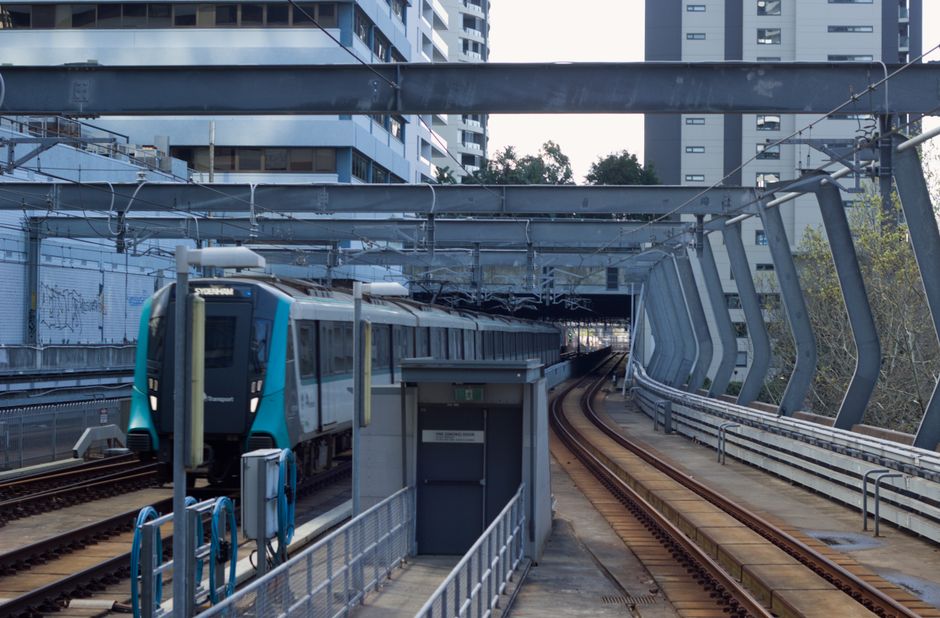
This ongoing investment in public transport is crucial for urban centres like Sydney, which are experiencing continuous population growth. The project’s scope includes the introduction of new, state-of-the-art, driverless trains and the construction of advanced automated systems to manage the network efficiently. Beyond the physical infrastructure, the upgrade also involves significant technological integration, ensuring that the new metro system operates seamlessly with existing transport modes. The economic benefits are expected to be far-reaching, not only through the direct creation of jobs during construction but also through increased economic activity spurred by improved accessibility to business districts and leisure facilities. This large-scale undertaking by the NSW government underscores a commitment to modernising Australia’s transport backbone. The Sydney Metro project is not just about building new lines; it’s about reimagining how people move around a major global city. It incorporates principles of urban planning, aiming to foster transit-oriented development around new stations, encouraging vibrant communities and reducing reliance on private vehicles. This forward-thinking approach to infrastructure investment in Australia aims to create a more liveable, sustainable, and economically competitive city. The completion of these lines will mark a significant milestone in Australia’s journey towards developing a modern, high-capacity public transport network capable of meeting future demands and enhancing the quality of life for its residents. The sheer scale of the undertaking is a testament to the nation’s commitment to improving its essential services.
How much is Australia investing in the Sydney Metro project compared to other infrastructure initiatives?
Australia’s investment in the Sydney Metro project is substantial, positioning it as one of the nation’s most significant public transport infrastructure initiatives, though direct comparative figures with all other initiatives can be complex to isolate due to varying project scopes and funding models. The total cost of the Sydney Metro network has been reported to be in the tens of billions of dollars, with the first stage, the Metro North West Line, costing approximately $8.3 billion. Subsequent stages, including the Metro City and South West sections, are estimated to bring the total investment for the entire network to upwards of $20 billion. This figure represents a considerable portion of the Australian government’s and NSW government’s infrastructure spending. While this is a massive outlay, it’s important to consider the broader Australian infrastructure landscape. For instance, major road projects, national broadband network upgrades, and energy infrastructure developments also command billions in investment. The Australian Government’s National Reconstruction Fund, for example, is designed to support a range of critical sectors with significant capital. However, the Sydney Metro stands out for its focus on urban public transport capacity expansion within a single metropolitan area, reflecting a strategic push towards sustainable urban mobility and population density management. The investment in the Sydney Metro signifies a commitment to public transport as a critical enabler of economic growth and liveability in Australia’s largest city.
The scale of investment in the Sydney Metro project is comparable to other major public transport projects globally and within Australia, though precise year-on-year comparisons across all infrastructure sectors are dynamic. For example, the Cross River Rail project in Brisbane has seen an investment exceeding $5.4 billion, aiming to significantly boost that city’s public transport capabilities. Similarly, Melbourne’s infrastructure pipeline includes projects like the Metro Tunnel, with an estimated cost of over $11 billion, and the North East Link, a significant road and potentially integrated transport project. These figures highlight that major cities across Australia are undertaking extensive infrastructure investment to cater to growing populations and modernise their transport networks. The Sydney Metro, with its phased development and ultimate goal of creating a fully integrated, high-capacity system, represents a long-term strategic vision for urban development and economic resilience. The commitment to such large-scale projects reflects a recognition of the critical role of infrastructure in supporting a thriving economy and improving the quality of life for Australians.
When evaluating the investment in the Sydney Metro, it’s crucial to look at the projected economic returns and societal benefits, which extend beyond the initial capital outlay. These include reduced congestion on roads, lower pollution levels, increased property values around new stations, and enhanced productivity due to shorter commute times. These factors contribute to the overall value proposition of such a significant infrastructure investment in Australia. The project’s funding typically comes from a combination of state and federal government contributions, as well as private sector financing or partnerships, although the majority of the Sydney Metro funding has been state-led. The ongoing commitment to large-scale infrastructure development, like the Sydney Metro, is a clear indicator of Australia’s strategy to support economic growth and maintain global competitiveness in the long term.
What are the expected speed improvements from the Sydney Metro upgrade?
Commuters on the new Sydney Metro lines can expect significantly faster travel speeds, with trains designed to operate at a maximum speed of 110 km/h. This capability represents a substantial leap forward from many existing conventional rail lines in Sydney, where older rolling stock and track limitations often restrict speeds to much lower averages, typically between 60-80 km/h. The introduction of a modern, high-speed metro system is central to the promise of reduced journey times, making public transport a more attractive and competitive option for longer commutes and inter-suburban travel. This increased speed is facilitated by the new, purpose-built infrastructure, including dedicated tracks, advanced signalling systems, and modern, aerodynamic train designs. The seamless operation of these high-speed trains is a key benefit of the Sydney Metro upgrade, transforming the commuter experience and enhancing the efficiency of the entire network. For instance, a journey that previously took 45 minutes on a conventional train could potentially be reduced to around 30 minutes, a significant time saving that aggregates to hours per month for regular travellers.
The 110 km/h operational speed is not merely a theoretical maximum; it’s an achievable average on many sections of the new metro lines, particularly on the open-air segments of the Metro North West Line and planned future extensions. This higher speed translates directly into shorter overall journey times, which is a critical factor in encouraging modal shift from private vehicles to public transport. Furthermore, the advanced automatic train control (ATC) system employed by Sydney Metro ensures that trains can maintain optimal speeds safely, maximising the efficiency of the line. This technology allows for shorter headways (the time interval between successive trains), further increasing the network’s capacity and overall efficiency, even at peak hours. The introduction of such high-speed capabilities is a hallmark of world-class urban rail systems and a vital component of Australia’s commitment to improving its public transport infrastructure.
These speed improvements are integral to the broader vision of Sydney Metro as a high-frequency, reliable transport solution. The design specifications for the trains and track infrastructure have been benchmarked against leading metro systems globally, ensuring that Sydney benefits from the latest advancements in rail technology. The aim is to make public transport not just a necessity but a preferred choice, by offering a service that is not only fast but also comfortable and dependable. The ability to travel at 110 km/h on designated sections is a tangible manifestation of this commitment, promising a more efficient and pleasant commuting experience for thousands of daily travellers across the growing Sydney metropolitan area. Additional resources are available at the RBA official interest rate data.
When is the Sydney Metro expected to launch and replace bus services?
The exact launch date for the full Sydney Metro network, which would signal the complete replacement of many existing bus services with rail, remains unconfirmed by the NSW government. Premier Chris Minns has explicitly stated a reluctance to provide a definitive date that the government might not be able to meet, indicating ongoing complexities in the project’s final stages. While the Metro North West Line has been operational since May 2019, the subsequent stages – Sydney Metro City and Sydney Metro South West – are the focus of current anticipation. Initial projections had placed these openings around 2024, but these have been subject to revision. Current indications suggest that the Sydney Metro City section, extending from the new station at Chatswood under the harbour to Martin Place and then to Central, is likely to open in 2024. Following this, the Sydney Metro South West, which converts existing rail lines from Bankstown to Sydenham into metro lines, is expected to commence operations in 2025. This phased rollout means that the complete cessation of replacement buses across the entire network will also be staggered, aligning with the operational readiness of each new section.
The uncertainty surrounding the precise launch dates stems from the immense complexity of integrating new automated metro lines with existing, older rail infrastructure, particularly in dense urban environments like Sydney. This includes extensive testing of new signalling systems, operational readiness of driverless trains, and ensuring seamless integration with existing transport hubs. The NSW government’s cautious approach is designed to manage public expectations and avoid the pitfalls of premature announcements. While official timelines have shifted, the progress on construction and testing is continuous. For commuters, this means a period of continued reliance on existing bus services and potentially some existing rail lines that are yet to be converted. The ultimate goal is a fully integrated metro system that vastly improves connectivity and reduces reliance on less efficient forms of transport, but the timeline for this complete transition is still subject to ongoing government updates and project progress reports. Commuters are advised to stay informed through official NSW transport channels for the most up-to-date information.
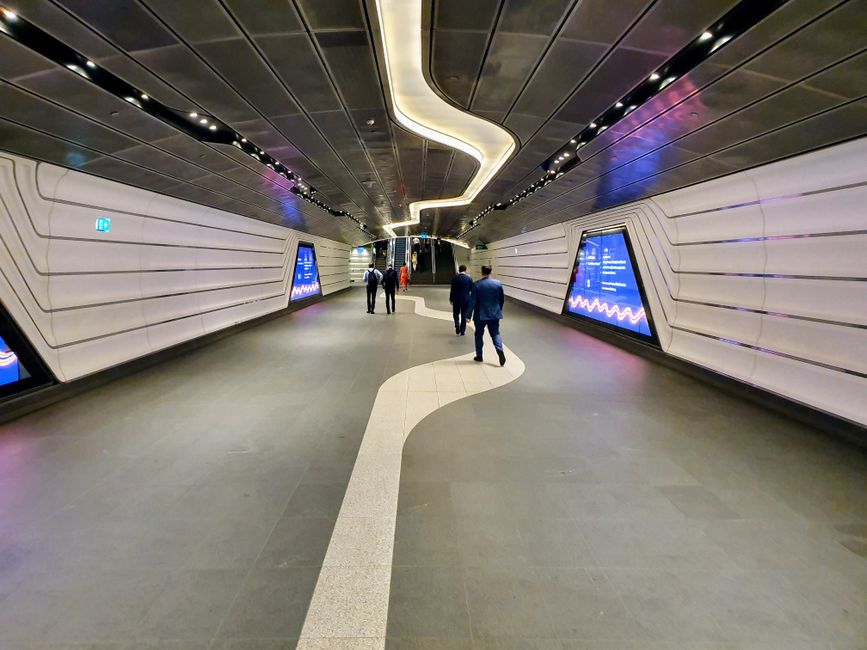
The transition from replacement buses to metro services will be a gradual process, directly tied to the phased opening of each new Sydney Metro line. As each section becomes operational, specific bus routes that mirrored the old rail lines will be retired. For example, once the Sydney Metro City section opens, bus services that currently fill the gap will be phased out in favour of the new metro. This gradual replacement is a logistical necessity, ensuring that commuters always have a viable transport option available throughout the transition period. The anticipation is high, as the prospect of faster, more frequent, and more reliable metro services promises to significantly enhance the daily commute for a vast number of Sydney residents. The NSW government’s commitment to delivering this vital infrastructure investment in Australia remains strong, despite the complexities of finalising such an ambitious project.
How will the Sydney Metro upgrade reduce reliance on replacement buses across the network?
The Sydney Metro upgrade is fundamentally designed to replace and significantly reduce the reliance on replacement buses by providing a faster, higher-capacity, and more frequent rail service. Many current bus routes operating as “replacement buses” are essentially temporary measures to maintain connectivity while existing conventional rail lines are being converted or new metro lines are being built. Once the new metro lines are fully operational, they will offer a superior alternative, capable of carrying more passengers at higher speeds and with greater reliability. For instance, the new metro trains can operate at frequencies of every few minutes during peak hours, a service level that is extremely difficult and inefficient to replicate with buses, especially over longer distances. This increased frequency and speed directly address the limitations of bus services, which are often subject to traffic congestion and slower travel speeds.
The conversion of existing rail lines, such as the T3 Bankstown Line into the Sydney Metro South West, is a prime example of how the upgrade directly eliminates the need for replacement buses. Instead of relying on buses to shuttle passengers along corridors that were previously served by trains, these converted lines will offer a direct, high-speed metro service. This not only restores rail connectivity but enhances it significantly. The new metro trains are also larger and more modern than most conventional trains, further boosting passenger capacity. The aim is to create a seamless, integrated network where the metro forms the backbone of public transport, with feeder services and other modes complementing it. This strategic shift is a critical element of the overall infrastructure investment in Australia, prioritising efficient, mass transit solutions for urban areas. The operational efficiencies of a modern metro system, including its automation, contribute to its ability to provide a consistently high level of service that buses cannot match over extensive urban corridors.
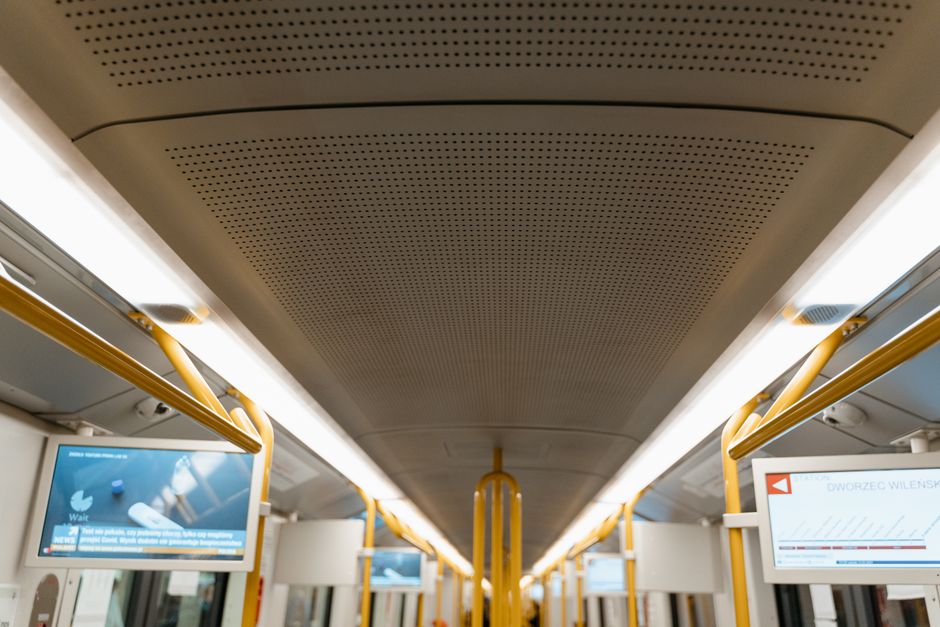
Ultimately, the Sydney Metro upgrade is intended to create a public transport system that is so significantly improved in terms of speed, frequency, and reliability that the need for temporary bus replacements becomes obsolete. The investment is about providing a permanent, state-of-the-art solution. By offering a service that is demonstrably better than what can be achieved with replacement buses, the project aims to attract more passengers to public transport, thereby reducing road congestion and improving overall urban mobility. The commitment to upgrading Sydney’s rail network through the metro expansion is a clear strategy to move away from stop-gap measures and towards a future of efficient, integrated, and high-capacity public transport for the city.
What challenges could delay the Sydney Metro infrastructure investment timeline?
Several significant challenges could potentially delay the Sydney Metro infrastructure investment timeline, a common occurrence with projects of this magnitude. One primary challenge is the complexity of tunnelling and underground construction, particularly in Sydney’s varied geology. Unexpected ground conditions, including hard rock, fault lines, or groundwater ingress, can require specialised tunnelling techniques, slow down progress, and significantly increase costs. Another major hurdle is the integration of new automated systems with existing rail infrastructure. The precise synchronisation of new signalling, power, and communication systems is critical for the safe and efficient operation of driverless trains, and any technical glitches or integration issues can lead to extensive testing delays. The sheer scale of the project also means coordinating numerous contractors and supply chains, where disruptions to material supply or labour availability can have cascading effects on the schedule. The NSW government’s cautious stance, as highlighted by Premier Chris Minns, directly acknowledges these inherent complexities and the need for thorough due diligence before committing to firm opening dates, underscoring the sensitive nature of managing such an extensive infrastructure investment in Australia.
Technical integration and testing are often underestimated aspects that can cause significant delays. The Sydney Metro utilises an advanced Communications-based Train Control (CBTC) system, which requires rigorous testing to ensure it operates flawlessly at high frequencies and speeds. This involves extensive simulations and on-track testing with the new rolling stock. Any bugs or unforeseen interactions between the train control system, station infrastructure, and power supply can necessitate prolonged troubleshooting and re-testing. Furthermore, heritage and existing urban infrastructure present unique challenges. For instance, works near existing heritage buildings or underground utilities require detailed surveys, careful planning, and often the implementation of specialised protective measures, all of which can add time and complexity to the construction schedule. Managing these interfaces without compromising existing services or historical structures is a delicate balancing act that can impact timelines.

The procurement and delivery of specialised rolling stock and systems also pose potential risks. Manufacturing delays for metro trains or critical components, or issues discovered during quality assurance checks, can push back delivery schedules. Moreover, unforeseen environmental factors, such as extreme weather events or the discovery of unexpected archaeological finds during excavation, can also lead to temporary work stoppages and schedule adjustments. Finally, funding and approvals, while generally secured for a project of this scale, can sometimes be subject to review or change, particularly if cost blowouts occur, requiring additional approvals or budget reallocation processes. These multifaceted challenges underscore why large infrastructure projects, especially those as complex as the Sydney Metro, are often subject to schedule adjustments rather than fixed, immutable timelines, reflecting the inherent uncertainties in such massive undertakings.
What should commuters know about preparing for the Sydney Metro launch and service changes?
Commuters should prepare for the upcoming Sydney Metro launch by staying informed about the phased rollout and potential changes to their travel patterns. As new sections of the metro line become operational, some existing bus services will be retired, and some train lines will be converted, meaning familiar routes and schedules may change. It’s crucial to regularly check official NSW transport updates and websites for the most accurate information regarding specific line openings and the corresponding service adjustments. For example, as the Sydney Metro City section nears its opening, commuters who currently rely on specific bus routes running parallel to these new metro stations should anticipate these services being replaced by the metro. Planning journeys in advance, especially in the initial weeks after a new line opens, is advisable, as new systems can sometimes experience teething problems or higher-than-expected passenger numbers leading to temporary capacity pressures.
Understanding the new ticketing system and fare structure for the Sydney Metro is also an essential part of preparation. While the metro will integrate with the existing Opal card system, it’s important to be aware of any specific fare adjustments or zone changes that may apply to the new lines. Familiarising yourself with the network map and the locations of new stations will help in planning your commutes effectively. For instance, if your destination was previously reached via a multi-leg journey involving a bus and then a train, the new metro line might offer a more direct and faster route. Commuters should take the time to explore these new options on transport apps or maps once they become available. This proactive approach can help minimise confusion and ensure a smoother transition to the enhanced public transport network, turning potentially disruptive changes into opportunities for a better commute.

Finally, commuters can benefit from embracing the new technology and infrastructure. The Sydney Metro operates with a high frequency of services and is largely automated, which generally leads to greater reliability and shorter wait times compared to traditional rail or bus services. Being open to these changes and understanding the operational advantages of the metro system can help make the transition a positive experience. Keeping an eye on official announcements from Transport for NSW will be the most reliable way to stay ahead of the curve regarding launch dates and detailed service changes. The investment in this new infrastructure promises a significantly improved travel experience, and being prepared will allow commuters to take full advantage of these benefits as they are rolled out across Sydney.