
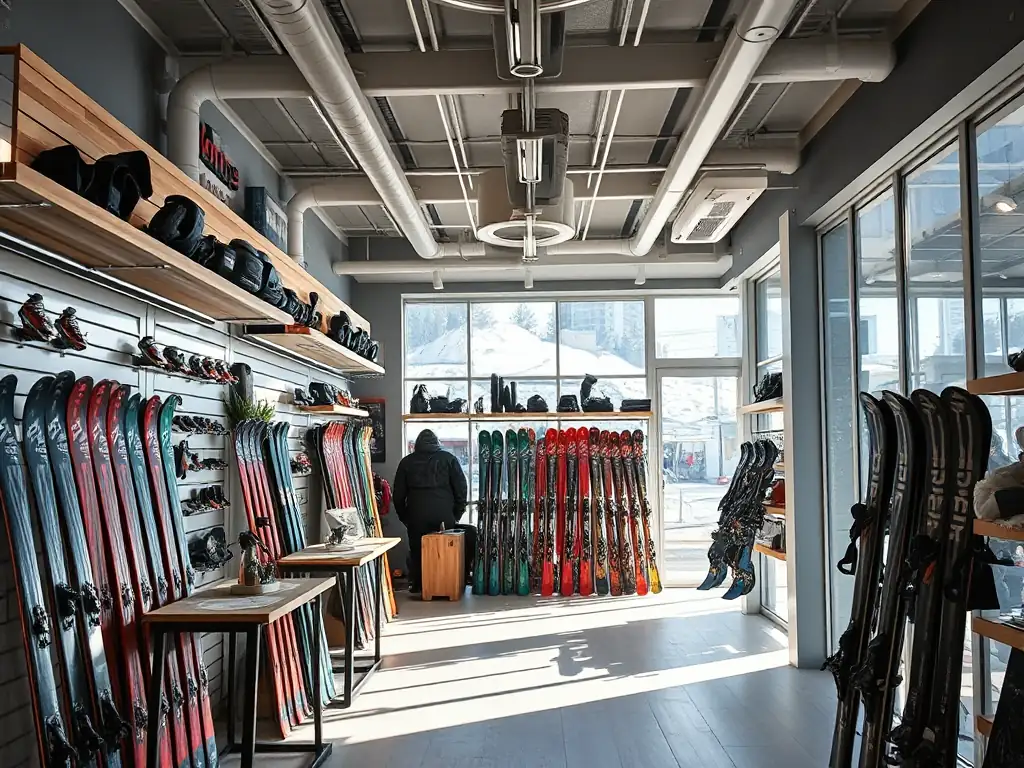
Tourism finance: Managing the rising costs of Australian ski trips
Tourism finance management is essential for families planning a winter getaway as Australian ski resorts experience significant price increases. According to recent consumer trends, the cost of lift tickets and accommodation has risen, impacting accessibility for many households. BanksiaPulse reports that while the sport saw a boom in the 1980s and 1990s, current pricing often feels like “throwing $100 bills out the window” (Source: The Guardian, 2026). With inflation affecting household budgets, planning a trip requires careful financial foresight.
- What factors are driving the rising costs at Australian ski resorts?
- How do Australian ski resort prices compare to international destinations?
- What is the average daily cost of visiting an Australian ski resort in 2024?
- Which Australian ski resorts are the most expensive and why?
- How can families budget effectively for an Australian ski holiday?
- What are the hidden costs travelers should expect at Australian ski resorts?
- Frequently Asked Questions
What factors are driving the rising costs at Australian ski resorts?
The primary factor driving costs at Australian ski resorts is the combination of high operational overheads and increased demand for limited alpine infrastructure. Resorts face significant expenses related to maintaining snow-making equipment, managing lift systems, and providing village amenities, which are often passed down to the consumer. As global heating trends impact natural snowfall, these facilities rely more heavily on energy-intensive artificial production, pushing up the base cost of a day pass. Furthermore, the limited number of alpine regions in Australia allows for premium pricing models due to a lack of direct local competition. For many travelers, the “egalitarian” era of the 1990s has shifted into a more exclusive market where only those with substantial disposable income can comfortably enjoy the season. When comparing the cost of a modern trip to the communal lodges of the 1980s, the economic reality is stark. Families now contend with dynamic pricing, where tickets purchased in advance are significantly more expensive than historic flat-rate models. This shift effectively prices out many middle-income families, changing the demographic of the slopes and creating a financial barrier to entry for many who once considered skiing an accessible pastime (Source: The Guardian, 2026).
Beyond the lift tickets, the cost of on-mountain accommodation remains a massive burden on personal finance. Because these resorts operate within contained geographical zones, there is little scope for the supply of budget-friendly rooms to increase. This scarcity leads to inflated nightly rates, especially during peak school holiday periods. Travelers should recognise that high demand during July and August consistently drives up the price, making off-peak planning or lower-cost alternatives increasingly necessary for those attempting to manage their tourism finance effectively.
How do Australian ski resort prices compare to international destinations?
Australian ski resorts frequently compare poorly against international destinations when assessing the “value per kilometer” of available terrain. While Japanese or New Zealand slopes offer significantly more expansive lift networks, the entry price for a single day in an Australian resort can often rival these overseas locations. Data from the Australian Bureau of Statistics indicates that domestic travel costs are heavily influenced by the lack of economies of scale found in the massive, high-altitude resorts of Europe or North America. Consequently, Australians often find that a domestic ski holiday requires a higher daily spend for a smaller amount of actual skiing time. International travelers and locals alike are noticing this value gap, leading to a shift in holiday destinations. For instance, a flight to Queenstown in New Zealand might present a more cost-effective alternative than a trip to a premier Victorian resort when accounting for gear hire and lift access. The Australian market is essentially a niche, high-cost sector. Because resorts in NSW and Victoria are limited in size, they prioritize luxury service and convenience to justify the high ticket costs, which naturally excludes budget-conscious travelers who would otherwise be the backbone of the industry (Source: The Guardian, 2026).
Practical takeaways for the budget-conscious traveler include comparing total package costs, inclusive of flights and transfers, rather than just the lift ticket price. If you are planning a trip, evaluate whether your budget could actually stretch further by traveling to an international hub where the lift infrastructure provides a much longer day of activity. While the exchange rate remains a factor, the total cost of an Australian trip often sits at a premium that makes international competition highly attractive for those tracking their long-term tourism finance goals.
What is the average daily cost of visiting an Australian ski resort in 2024?
The average daily cost of visiting an Australian ski resort in 2024 often exceeds $350 per person when accounting for lift passes, equipment rental, and basic sustenance. While a simple day pass might fluctuate, the comprehensive cost for a family of four can easily surpass $1,500 daily during the peak season. These figures are driven by the high base cost of “on-snow” experiences, where convenience translates into significant monetary output. Without careful planning, these costs can quickly spiral, particularly when unexpected equipment upgrades or last-minute bookings are required during a trip (Source: The Guardian, 2026). To put this into perspective, consider a family earning an average income. If they allocate a significant portion of their discretionary spending to a single weekend in the mountains, they may find themselves constrained for the rest of the quarter. Understanding the ATO’s guidelines on managing personal expenditure is helpful for those trying to track these seasonal spikes. The financial load is not merely in the initial booking; it involves a continuous stream of expenses, from specialized winter clothing to expensive mountain-side parking and catering that is significantly higher than off-mountain alternatives.
For those looking to mitigate these costs, tracking your spending in real-time is crucial. You might use a spreadsheet to list every anticipated cost—lift passes, gear rental, and accommodation—to see where you can find savings. Often, booking outside the school holiday windows can lead to a 20-30% reduction in accommodation costs. By targeting midweek sessions rather than Saturdays or Sundays, travelers can leverage lower base rates, which provides a much-needed buffer for their overall holiday budget and prevents the feeling of “throwing money away” while on holiday.
Which Australian ski resorts are the most expensive and why?
Perisher and Thredbo in NSW remain the most expensive ski resorts in Australia due to their proximity to major cities, extensive snow-making capabilities, and high-demand commercial infrastructure. These resorts operate under a high-intensity tourism model that services a vast portion of the Sydney and Canberra populations. Because these resorts have spent millions on high-speed lift technology and comprehensive village services, their price point is structured to reflect these investments. They function as a “premium” product in the Australian market, where ease of access and reliability of snow are sold as the primary value proposition to their visitors. The cost in these locations is further compounded by the limited availability of budget accommodation. While smaller, more remote resorts might offer basic, low-cost bunk-style living, the major NSW hubs prioritize upscale lodge experiences and hotels. This design choice naturally restricts the pool of visitors to those who can afford the premium, creating a cycle of high demand and high pricing. For those living in Sydney or Canberra, the convenience of a shorter commute to these resorts is often balanced out by the higher expenditure required once you arrive at the base of the mountain.
Understanding why these resorts are expensive helps in identifying alternative destinations for a more cost-effective trip. Resorts that are further afield or have fewer high-speed lifts often maintain lower pricing structures as they compete for visitors who are more sensitive to price. If you are determined to visit the premier resorts, booking as far in advance as possible is the only way to avoid the highest tiers of dynamic pricing. Industry trends suggest that early-bird bookings remain the most effective tool for managing the high costs associated with these major, high-demand alpine locations.
![[tourism finance - A family checking their budget before a ski trip]](https://images.pexels.com/photos/6964365/pexels-photo-6964365.jpeg?auto=compress&cs=tinysrgb&h=650&w=940)
How can families budget effectively for an Australian ski holiday?
Budgeting effectively for an Australian ski holiday requires a strict “pre-payment” strategy, where all major costs are settled months before the season begins. Families should aim to book their accommodation and lift passes during the early bird periods, which typically offer the best rates of the year. By treating the ski trip as a long-term savings goal rather than an impulsive decision, families can avoid the financial pressure of dynamic pricing surges. Establishing a dedicated “ski fund” allows you to track progress throughout the year, ensuring that the holiday does not impact essential household budget allocations. Another effective strategy is to pack your own food and equipment whenever possible. While renting gear on the mountain is convenient, it is often significantly more expensive than hiring gear from shops in the major cities or bringing your own equipment if you are a frequent visitor. By preparing simple meals in lodge kitchens instead of dining at expensive on-mountain restaurants, a family can save hundreds of dollars over the course of a week. This simple shift in behavior can represent a significant percentage of the total trip cost, making the difference between an affordable holiday and a financial setback.
Finally, utilize government resources to understand your overall financial health before booking. If you find your budget is stretched, consider selecting a smaller, family-run resort rather than the major commercial hubs. Often, these smaller locations provide a more welcoming atmosphere that mirrors the community feel of the 1980s without the premium price tag. Taking the time to research off-peak dates and alternative locations is the most practical way to protect your personal finances while still enjoying the unique experience of an Australian winter alpine getaway.
What are the hidden costs travelers should expect at Australian ski resorts?
Travelers often overlook hidden costs such as mountain-specific transport fees, mandatory parking permits, and the fluctuating price of premium, on-mountain, high-speed lift access. Many resorts now charge for parking on a per-day basis, which can add significant cost to a family driving from a distant city. Additionally, the requirement for snow-chain hire—and the potential for fines or safety issues if you are not properly equipped—is a non-negotiable expense that is often omitted from preliminary budgeting. These costs accumulate rapidly once you arrive, turning a planned “affordable” trip into a much larger expense. Equipment maintenance is another major hidden variable. If you bring your own gear, the cost of waxing and edge-sharpening at the mountain workshop can be substantially higher than doing it at home. Furthermore, the reliance on high-speed internet in mountain lodges often comes as a “value-add” service that costs extra, and mobile data usage in remote, high-altitude regions can sometimes lead to unexpected roaming charges. It is essential to account for these minor line items, as they represent the “drip” of expenses that can cause a budget to fail during an extended stay on the mountain.
Lastly, ensure you have comprehensive insurance that specifically covers winter sports, as standard travel insurance may not apply to injuries sustained on a ski slope. Medical costs, including evacuation or specialized care for fractures, can be astronomical without the right policy. By pre-calculating these “hidden” expenses, you gain better control over your tourism finance management. Being realistic about the total cost—rather than just the cost of a lift ticket—is the most effective way to ensure that your ski holiday remains a source of enjoyment rather than a source of financial stress.