
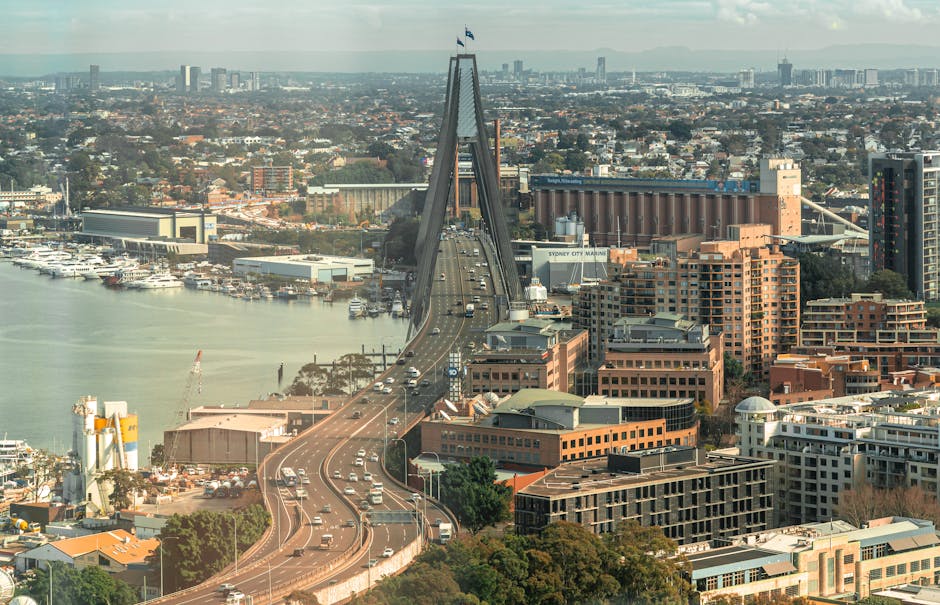
Infrastructure investment in Australia has received a massive boost through the latest federal budget, with over $120 billion allocated to major projects across the nation over the next decade. This unprecedented spending represents the largest commitment to infrastructure development in Australian history, targeting everything from transport networks to digital connectivity. When I first started tracking these budget announcements years ago, the scale of this investment was frankly overwhelming at first, but the potential benefits for investors and homeowners are becoming increasingly clear.
The infrastructure investment surge will create significant opportunities across multiple sectors, from construction and engineering to technology and materials. According to Infrastructure Australia, every dollar invested in productive infrastructure generates approximately $1.60 in economic benefits over time. For homeowners and investors, this translates into potential property value increases, improved connectivity, and enhanced quality of life in targeted regions.
Which Infrastructure Projects Are Included in Australia’s Latest Budget?
The budget prioritises transport infrastructure, renewable energy projects, and digital connectivity initiatives across all states and territories. Major allocations include $15.2 billion for the Sydney to Newcastle rail upgrade in NSW, $8.4 billion for Melbourne’s suburban rail loop, and $5.8 billion for the Bruce Highway upgrade in Queensland. Regional connectivity projects receive substantial funding, with $2.3 billion dedicated to improving rural internet infrastructure through enhanced NBN capabilities.
Water infrastructure and flood mitigation projects also feature prominently, particularly following recent extreme weather events. The government has committed $3.1 billion to dam construction and water security projects, with significant portions allocated to drought-prone areas. These projects aim to create approximately 55,000 direct jobs during construction phases, providing substantial economic stimulus to local communities.
How Can Individual Investors Profit from Australia’s Infrastructure Boom?
Direct investment opportunities exist through listed infrastructure trusts (LITs), which own and operate essential infrastructure assets like toll roads, airports, and utilities. Popular options include Transurban Group, which manages toll roads across Sydney and Melbourne, and Sydney Airport, though investors should research each fund’s specific holdings and risk profile. Infrastructure bonds offer another pathway, providing steady income streams backed by government-guaranteed projects.
Property investors can capitalise on infrastructure investment by targeting areas along new transport corridors before projects commence. Historical data shows properties within 800 metres of new rail stations typically experience 10-15% value increases upon completion. However, timing is crucial, as land values often rise during construction phases, making early identification of growth corridors essential for maximising returns.
Consider comparing investment platforms and seeking professional financial advice to identify the most suitable infrastructure investment options for your portfolio. Different products carry varying risk levels and minimum investment requirements that may affect your strategy.
How Does Infrastructure Investment Impact Property Values and Real Estate Markets?
Infrastructure investment creates both immediate and long-term effects on property markets, with transport projects delivering the most significant value uplift for residential properties. Areas designated for new rail lines, major road upgrades, or improved public transport connections typically see increased buyer interest even before construction begins. This anticipation effect can drive prices up by 5-10% in the announcement phase alone.
Commercial property markets also benefit substantially, particularly in areas receiving digital infrastructure upgrades or improved freight connections. Office and retail precincts near new transport hubs often experience increased rental yields and capital growth as accessibility improves. Rental markets generally strengthen as improved connectivity attracts more residents and workers to previously less accessible areas.
However, construction phases can temporarily depress local property values due to noise, dust, and access disruptions. Savvy investors often view this as a buying opportunity, purchasing properties during construction lulls when prices may be artificially suppressed before post-completion value recovery.
Maximising Your Infrastructure Investment Strategy
Australia’s infrastructure boom presents unprecedented opportunities for both investors and homeowners to benefit from long-term economic growth. The key lies in understanding project timelines, identifying growth corridors early, and selecting appropriate investment vehicles aligned with your risk tolerance and financial goals.
To make informed decisions about infrastructure investment opportunities, compare financial products and investment platforms to find options that match your circumstances. Professional financial advisors can help you navigate the complexities of infrastructure investing and develop strategies that complement your existing portfolio while capitalising on this historic spending commitment.
Photo by Viral Kothari via Pexels