
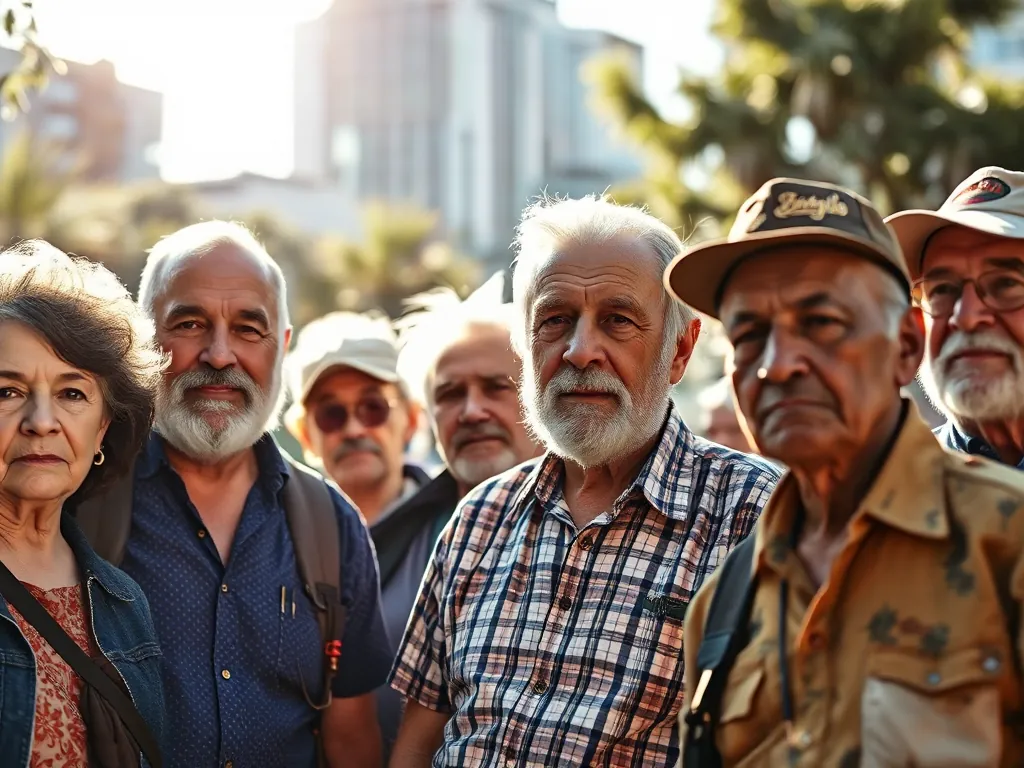
Military veterans and the fight for historical recognition
For many military veterans who were forced out of service due to their sexuality, a formal apology is a long-overdue step toward justice. BanksiaPulse reports that current calls for “restorative outcomes” highlight the discriminatory administrative policies once held by the Australian Defence Force. According to historical records, LGBTQ+ personnel faced significant exclusion, and as of August 01, 2026, the movement for national recognition remains a critical priority for those affected by these past institutional practices.
- What does it mean to be dismissed from the military for sexuality?
- How many veterans were discharged under “Don’t Ask, Don’t Tell” policies?
- What recognition and benefits are military veterans now receiving for past dismissals?
- What is the difference between a dishonorable discharge and an other-than-honorable discharge for LGBTQ+ veterans?
- What steps should dismissed veterans take to request formal recognition from the military?
- How does the military’s apology to LGBTQ+ veterans compare to other countries’ acknowledgments?
- Frequently Asked Questions
What does it mean to be dismissed from the military for sexuality?
Being dismissed from the military for one’s sexuality historically meant the immediate, involuntary termination of a service career based solely on an individual’s sexual orientation or identity. This administrative action frequently carried severe professional consequences, effectively barring these individuals from future government employment and stripping them of the camaraderie and structured life they had dedicated themselves to. For many, this process was not merely a job loss but a profound trauma that impacted their mental health, financial stability, and personal dignity for decades to come. The stigma associated with these discharges often meant that veterans carried a “shadow” record that hindered their transition into civilian life, leading to long-term social and economic challenges that persist for many Australians today. The institutional exclusion of LGBTQ+ members was enforced through various policies that deemed their presence as incompatible with service requirements. These administrative decisions were often final and lacked any meaningful avenue for appeal, leaving personnel with little recourse but to accept their involuntary separation. This systematic removal of dedicated service members robbed the nation of experienced personnel and created a culture of fear among those who remained, who often had to conceal their identities to protect their careers. The ongoing impact of these policies is felt by thousands who, like David, continue to advocate for the acknowledgement of the harm caused by these discriminatory practices during their time in uniform.
For instance, if a service member had served for ten years with an unblemished record, their sudden dismissal due to their sexuality would result in a total loss of benefits and rank. This abrupt end to a career often left veterans without the pension or health support usually afforded to long-serving personnel. To address these systemic gaps, many are now looking toward government frameworks to rectify these past administrative wrongs and restore the recognition they earned through their commitment to the country. Understanding these mechanisms is the first step for those seeking clarity on their service records.

How many veterans were discharged under “Don’t Ask, Don’t Tell” policies?
While exact figures regarding the total number of personnel discharged under discriminatory policies are complex to track due to varied administrative coding, reports suggest the number reaches into the thousands of Australian service members. These individuals were often removed under “suitability” clauses that masked the underlying prejudice against their sexual orientation. Tracking these numbers is essential for establishing the scale of the injustice, as it helps the government identify the breadth of the demographic affected by these historical policies. According to official data from the Australian Bureau of Statistics on population and service trends, understanding historical service demographics remains a cornerstone of ensuring fair treatment for all past and present members of the armed forces. The lack of a centralized, transparent register for these specific discharges means that many veterans are still coming forward to share their stories decades later. Because the discrimination was often hidden within general discharge categories, identifying the total count requires a detailed audit of personnel files that may have been poorly maintained or intentionally obscured. This documentation gap is a major hurdle for advocates who seek to quantify the impact of these policies to secure a comprehensive national apology. By mapping these administrative patterns, researchers and government bodies can better understand the scope of the harm inflicted and the resources required to provide restorative justice to the many veterans whose lives were irrevocably altered by their military exit.
Consider the cumulative financial loss for these veterans, who lost out on career progression, superannuation contributions, and long-service entitlements due to these early discharges. When calculated over an entire working life, the economic disparity between those who were allowed to finish their careers and those forced out prematurely is substantial. Accessing the necessary evidence to prove such discrimination is vital, and those affected are encouraged to review the ATO’s official guide on tax offsets and related financial support programs to see if they are eligible for retroactive adjustments or assistance based on their individual service history and current circumstances.
What recognition and benefits are military veterans now receiving for past dismissals?
Recognition and benefits for affected military veterans are currently centered on the push for a formal national apology and the establishment of restorative outcomes. While specific financial compensation packages vary depending on individual circumstances and the nature of the discharge, the federal government is under increasing pressure to provide tangible acknowledgments of the harm caused. These outcomes aim to restore the reputation of those who were dismissed, ensuring that their service record is viewed with the honor it deserves rather than the prejudice that dictated their initial removal. Restorative measures may include public ceremonies, official letters of regret, and efforts to correct service files to ensure that the cause of discharge is accurately and respectfully documented. The advocacy for these benefits often involves working through the Department of Defence to rectify past administrative inaccuracies. Veterans are encouraged to document their experiences thoroughly, as the process for seeking recognition often requires a clear account of the events leading up to their discharge. This documentation serves as the basis for any potential review of their records and helps the government assess how best to provide restitution. As the national conversation evolves, the focus has shifted toward not only symbolic gestures but also practical support services that address the lingering health and social impacts on these veterans. The goal is to create a pathway for healing that accounts for the decades of silence many have had to endure regarding their military service and identity.
A typical scenario involves a veteran seeking to amend their separation papers to remove references that imply professional misconduct where none existed. By successfully having these records corrected, the veteran can reclaim their status and potentially access veteran-specific health benefits that were previously unavailable. This process underscores the importance of persistent engagement with advocacy groups and government channels. As policy frameworks continue to shift, staying informed about new initiatives and support mechanisms is crucial for those who have waited years for their service to be properly recognized and valued by the Australian public and the Defence Force institutions.
What is the difference between a dishonorable discharge and an other-than-honorable discharge for LGBTQ+ veterans?
The distinction between discharge categories lies in the administrative “reason” coded in the service file, which carries massive implications for eligibility for government benefits and social standing. A dishonorable discharge is typically reserved for severe criminal conduct and often carries a permanent loss of veteran benefits, whereas other-than-honorable discharges were frequently applied to LGBTQ+ personnel due to vague “suitability” or “conduct” clauses. For many veterans, the distinction is a source of lifelong frustration, as their discharge was based on their identity rather than any failure of duty or professionalism. Clearing the distinction between these codes is vital because it determines a veteran’s access to healthcare, pensions, and other essential services provided by the government to support those who have served. In practice, the bureaucratic label attached to a discharge often became a scarlet letter, impacting a veteran’s ability to find civilian employment or social acceptance. Many veterans find themselves needing to apply for a discharge upgrade to correct these historical records, ensuring their files accurately reflect their service history. This legal process is complex and often requires assistance from legal aid or veteran-specific support organizations to navigate the specific administrative hurdles involved. By reclassifying these discharges, the government can provide a long-overdue rectification of the record, effectively stripping away the stigma that has unfairly followed these individuals for years. It is a necessary step to ensuring that the history of the Australian military is documented with honesty and fairness.
If you are a veteran seeking to understand your specific discharge status, it is important to first obtain a copy of your full service records through the official Defence archives. Once you have this, you can compare the wording on your documents against the standard criteria for discharge upgrades. For example, if your discharge was solely based on the existence of discriminatory policies rather than actual performance issues, you may have a strong case for a record amendment. Consulting with a specialist in military law or a veterans’ advocacy organization can help you draft a request that addresses the specific, complex requirements of the current review processes, ultimately leading to a more accurate representation of your time in service.
What steps should dismissed veterans take to request formal recognition from the military?
To request formal recognition, dismissed veterans should first gather all available documentation, contact the relevant advocacy groups, and formally apply for a review of their service records. The process begins with securing your original discharge papers and any correspondence from the period of your service that outlines the circumstances of your exit. Because the documentation required for a formal apology or record amendment can be extensive, preparing a clear, chronological narrative of your service and the specific nature of your dismissal is highly recommended. Working with experienced advocates who specialize in military administrative law can significantly streamline this process and ensure that your application for recognition meets all necessary regulatory standards set by current Department of Defence policies. Once you have compiled your materials, the next step involves submitting a formal request through the established channels for service record reviews. This may include contacting your local member of parliament, who can often assist in elevating individual cases to the attention of the Minister for Defence. It is also beneficial to register your details with national groups dedicated to supporting LGBTQ+ veterans, as these organizations often have the latest information on class-action initiatives or collective lobbying efforts. By acting as part of a larger community, individuals can amplify their voices and push for the comprehensive policy changes needed to ensure that no future service members suffer the same fate as those who have already been unfairly pushed out of their roles.
For instance, a veteran from Sydney might begin their journey by reaching out to a local veteran welfare center to access free counseling and legal guidance before submitting their formal request. This preparation ensures that they are emotionally ready for the challenges that may arise during the review process. By taking these systematic steps, the veteran not only moves closer to personal closure but also contributes to the broader effort of ensuring that the military acknowledges and atones for its historical biases. Every successful case of recognition adds momentum to the movement, helping to rewrite the history of the military to be more inclusive and respectful of all its past and present personnel.
How does the military’s apology to LGBTQ+ veterans compare to other countries’ acknowledgments?
The Australian military’s potential apology to LGBTQ+ veterans is being measured against global benchmarks set by nations that have already formally recognized and compensated those affected by similar historical discrimination. Other countries, such as Canada and the United Kingdom, have already issued state-level apologies and established financial restitution programs for personnel discharged for their sexuality. These international examples provide a roadmap for the level of acknowledgment that Australian veterans are currently seeking. By looking at these precedents, advocates can hold the government accountable to international standards of restorative justice, ensuring that the response in Australia is not just a symbolic gesture but a comprehensive commitment to righting past wrongs. The comparison often centers on the depth of the apology, the scope of financial restitution, and the commitment to changing institutional culture. In countries where these apologies have been successful, the process involved active participation from the veteran community, ensuring that the apology felt authentic and addressed the specific traumas experienced by the survivors. These international models highlight that the most impactful outcomes include both public recognition at the highest levels of government and targeted support services that cater specifically to the health and psychological needs of the veterans. This global perspective helps frame the local debate, shifting the focus from whether an apology is necessary to how it can be most effectively implemented to benefit all impacted individuals.
In a concrete sense, comparing the Australian response to other nations allows veterans to identify the best features of international programs that could be adapted for local use. For example, if an overseas program provided a pathway to re-entering the military or receiving a specialized pension, Australian veterans can use this as a strong point of reference when lobbying for similar benefits. This evidence-based approach is crucial for convincing policymakers that such measures are not only fair but also feasible and consistent with global best practices. Engaging with these international case studies provides the veteran community with a powerful tool to push for an outcome that truly respects their service and dignity in the face of long-standing systemic inequality.