
Airline baggage fees: Navigating Jetstar’s new costs in 2026
Jetstar will soon implement a new fee structure for carry-on items, requiring passengers to pay up to $52 to use overhead lockers. At BanksiaPulse, we understand how these shifts impact your holiday budget, especially as Australian travellers adapt to changing aviation rules. According to official airline announcements made on August 5, 2026, this policy represents a major transition for the budget carrier, fundamentally altering how Australians approach packing for domestic and international trips.
- What is included in Jetstar’s new baggage policy for overhead luggage?
- How much does it cost to bring a carry-on bag on Jetstar flights?
- Which Jetstar ticket types allow free overhead luggage?
- How does Jetstar’s overhead baggage policy compare to other airlines?
- What happens if you exceed Jetstar’s overhead luggage limits?
- What are the best tips for minimizing baggage costs with Jetstar?
- Frequently Asked Questions
What is included in Jetstar’s new baggage policy for overhead luggage?
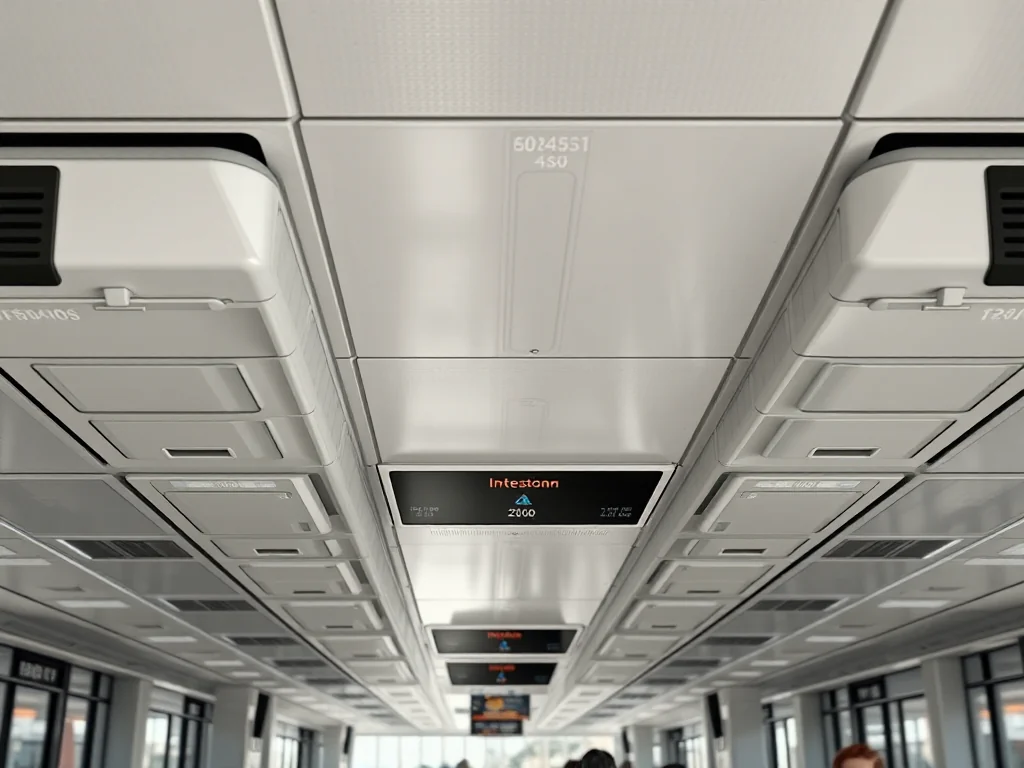
The new baggage policy marks a significant departure from previous rules by introducing a direct fee for accessing overhead storage space on Jetstar aircraft. Under this upcoming structure, the airline is effectively decoupling the cost of overhead storage from the base ticket price, meaning that while you might find a low-cost fare, the total price increases once you account for cabin storage requirements. This shift is designed to address the challenges of limited cabin space, which the airline identifies as a frequent point of frustration for both crew and passengers. By charging for this service, Jetstar aims to streamline the boarding process and reduce the physical congestion often experienced at the gate. Travellers must now factor this expense into their travel planning, as the days of universally free overhead access for all passengers are coming to an end in early 2027.
For those travelling on a budget, this change necessitates a more calculated approach to what you pack. Previously, many travellers relied on the 7kg weight limit to determine their carry-on eligibility. With the removal of this weight limit beginning in February 2027, the focus shifts entirely to the location of the bag rather than its mass. This means passengers who pack lighter but still require the use of an overhead locker will face the same $52 fee as those who might have previously pushed the weight limits. It is a fundamental change in the airline’s operational model. Understanding these terms is essential for anyone planning ahead, as failing to pre-book this option could lead to unexpected costs at the airport. You should review the MoneySmart guide to travel budgeting to ensure you have accounted for these ancillary costs before you book your next flight.
The policy essentially prioritises the speed and efficiency of the cabin environment over the previous “one-size-fits-all” approach to carry-on baggage. While some passengers might be frustrated by the additional cost, the airline maintains that this will create a less stressful airport experience. For the average Australian family, this could add a substantial amount to the total cost of a holiday, particularly if each family member requires locker access. If you are travelling as a group, it is worth calculating the total cost of these fees versus the price of checking in a single, larger piece of hold luggage, which might offer better value under the new regime. Staying informed about these shifts in the latest Consumer Price Index data helps you understand how broader inflationary pressures affect the travel industry.
How much does it cost to bring a carry-on bag on Jetstar flights?
Passengers will be charged up to $52 for the privilege of using overhead lockers, marking a significant increase in the total cost of budget air travel. This specific figure represents the upper limit for this new fee, which is set to be implemented as part of a wider strategy to manage cabin space. For a solo traveller, an additional $52 for a round trip could be manageable, but for a family of four, the costs can escalate quickly, potentially adding over $200 to their total holiday expenses. It is vital to note that these costs apply specifically to items placed in the overhead bins; items that fit under the seat in front of you are typically handled differently under the airline’s broader baggage guidelines.
This fee is a stark reminder that “budget” airfares often hide ancillary costs that only become clear during the booking process. When comparing prices, you should always select the “add-ons” to see the true cost of your journey. For instance, if you are a Sydney-based worker planning a weekend getaway to the Gold Coast, an advertised flight price of $100 could quickly become $152 or more once the overhead locker fee is applied. This makes it increasingly important to use flight comparison tools that allow you to toggle baggage options on or off to see the final, inclusive price before committing to a purchase. Always verify the current fee structures on the official airline website, as these amounts can fluctuate based on demand and specific flight routes.
Data indicates that Australian households are becoming more sensitive to these types of “hidden” fees, which often impact lower-income earners the most. By charging for overhead space, Jetstar is following a global trend of unbundling services to maintain competitive base fares. If you find these costs prohibitive, the most practical takeaway is to invest in a high-quality, soft-sided bag that is designed to fit under an airline seat. These bags, often referred to as “under-seat luggage,” are becoming increasingly popular for travellers looking to bypass locker fees entirely. While they offer less volume, they are a legitimate way to avoid paying the $52 fee. If you choose this route, ensure your bag meets the specific dimensions required by the airline to avoid being forced to pay for a locker at the gate due to improper sizing.
Which Jetstar ticket types allow free overhead luggage?
Specific details regarding which ticket tiers will retain complimentary overhead locker access are still being clarified by the airline ahead of the February 2027 rollout. Generally, premium or flexible fare bundles may incorporate these services into their higher price, effectively offering “free” overhead access as part of a bundled product. Travellers looking to avoid the $52 fee should investigate whether upgrading to a higher fare class provides better overall value. Often, the difference in price between a “Starter” fare and a higher-tier bundle is less than the total cost of purchasing each extra service—such as baggage, seat selection, and food—separately. This requires a level of diligence during the booking phase to ensure you aren’t paying for features you don’t need while missing out on the ones you do.
For frequent flyers, there is often an expectation that status will grant access to these amenities, though Jetstar’s specific approach to loyalty members remains a critical area of interest. You should carefully review the terms and conditions associated with your frequent flyer programme to see if baggage fee waivers are included as a member benefit. Often, higher status tiers provide relief from such charges, which can significantly offset the cost of the membership itself. If you travel frequently for work, checking these benefits is a practical way to manage your overall travel budget. Many corporate travellers find that the convenience of an overhead locker is worth the cost, but for the average leisure traveller, the math may favour a more minimalist packing strategy.
As the implementation date of February 2027 approaches, it is expected that the airline will provide a clearer table of benefits across its fare classes. Until then, the safest assumption is that the cheapest, most basic ticket will not include overhead locker access. When booking, pay close attention to the fine print; if a fare is listed as “basic” or “standard,” assume it is designed for the absolute bare minimum service. If you are planning a trip well in advance, check the airline’s official documentation periodically. Many travellers make the mistake of assuming a policy from years prior remains in effect, which can lead to unpleasant surprises at the check-in desk. Being a proactive traveller is the best defence against the rising tide of ancillary airline baggage fees.
How does Jetstar’s overhead baggage policy compare to other airlines?
Jetstar’s move to charge for overhead lockers aligns it more closely with international ultra-low-cost carriers that have long treated cabin space as a premium commodity. While other full-service domestic airlines may still include a standard carry-on allowance in their base fares, the budget sector is increasingly moving toward this “pay-as-you-go” model. This creates a clear distinction in the market: you are essentially choosing between the convenience of an all-inclusive fare and the potential savings of a budget model that requires you to pay for each individual service. For consumers, this highlights the necessity of comparing “apples to apples” when looking at flight prices across different platforms and providers. The Australian domestic market has historically been dominated by a few major players, and this policy change may trigger a broader shift in how competitors structure their own baggage offerings. If other airlines follow suit, the cost of flying within Australia could increase significantly for those who prefer to carry their luggage into the cabin. This competitive pressure is something to watch closely over the next year. Travellers should observe whether other carriers introduce similar, tiered pricing models or if they choose to market their “free overhead locker” policies as a primary point of differentiation to win over cost-conscious customers. Being aware of these market dynamics allows you to make more informed decisions about which airline serves your specific needs and budget best.
It is important to understand that the “cheapest” flight is not always the one with the lowest advertised ticket price. Once you calculate the cost of the overhead locker, a supposedly “more expensive” ticket with another airline might actually be cheaper in the long run. To manage this effectively, use a spreadsheet or a simple note-taking app on your phone to list the total cost of each flight, including the base fare plus all necessary extras. By doing this comparison, you might find that you save money by choosing a carrier that includes a carry-on bag in their base price. This strategic approach to booking is essential in an environment where airline baggage fees are becoming increasingly complex and expensive, particularly for those travelling domestically within Australia.
What happens if you exceed Jetstar’s overhead luggage limits?
Exceeding the allowed limits or failing to purchase overhead locker access in advance generally results in penalty fees at the boarding gate, which are often significantly higher than pre-booked charges. When you arrive at the gate with an oversized bag or an item intended for the overhead locker that you haven’t paid for, the ground staff must process this as a last-minute addition. This causes delays, which is exactly what the airline is trying to avoid. Consequently, the fee structure for “gate-checked” luggage is designed to be punitive, encouraging travellers to be honest about their baggage needs well before they reach the airport. For a traveller who has not pre-booked, this can mean a stressful interaction at the gate and an unexpected drain on their travel funds. Imagine you are heading to an important business meeting in Melbourne; arriving at the gate and being told you must pay an premium fee to check your bag could add a high level of anxiety to your trip. To avoid this, always double-check your booking confirmation before you leave for the airport. If you are unsure about your entitlement, it is safer to log in to your booking on the airline’s website and add the extra baggage allowance online, where the fees are typically lower than those charged at the airport.
Practically speaking, the best way to handle this is to adopt a “preparedness” mindset. Before packing, weigh your bags and measure them to ensure they comply with the specific requirements. If you know your bag is slightly over the limit or doesn’t fit the “under-seat” criteria, it is far better to pay the pre-booked fee than to risk the higher gate penalties. This small amount of pre-flight planning is the most effective way to protect your budget from the impact of airline baggage fees. Staying organised not only saves you money but also ensures a much smoother and more pleasant experience, allowing you to focus on your destination rather than worrying about unexpected costs at the boarding gate.
What are the best tips for minimizing baggage costs with Jetstar?
The most effective way to minimise baggage costs is to shift your packing strategy toward minimalist travel, focusing on items that fit within the under-seat limit. Since the new policy focuses on overhead storage, items kept beneath your seat remain free of the $52 charge. Investing in a high-quality, structured bag that is specifically designed to fit under aircraft seats allows you to carry essential items, such as a laptop, a change of clothes, and toiletries, without paying extra fees. This approach requires careful selection of your gear, but the long-term savings can be substantial, especially for regular flyers who take multiple trips throughout the year. Another tip is to wear your heaviest items during the flight. If you are travelling to a cooler climate, wearing your jacket, boots, or heaviest layers onto the plane is a simple way to reduce the bulk and weight of your luggage. This isn’t just about weight limits anymore—it’s about the physical space your belongings occupy. By reducing the volume of what you need to store, you can avoid the temptation of the overhead locker entirely. Furthermore, consider digital alternatives for heavy items like books or journals to save space. Bringing a tablet or e-reader can replace several kilograms of physical media, which is an easy win for any traveller looking to streamline their carry-on setup.
Lastly, always bundle your services when you book, rather than adding them piece-by-piece later. Airlines often offer “bundles” that include carry-on luggage, seat selection, and other benefits at a lower total cost than purchasing these items individually. If you know you will need overhead storage, booking it at the time of your initial purchase is almost always cheaper than waiting until you arrive at the airport. By staying proactive and planning your travel needs in advance, you can successfully navigate the changing landscape of airline baggage fees in 2026. This level of preparation ensures that your travel budget stays intact, allowing you to spend your money on experiences at your destination rather than on unnecessary airline charges.