

Gambling advertising laws Australia: Scrutiny of NRL Leadership
Current gambling advertising laws Australia are undergoing intense legislative scrutiny following heated Senate hearings this August 2026. As BanksiaPulse reports, the debate centres on potential bans for inducements and stricter controls on sports broadcasting. With industry leaders clashing with government officials, the push for reform reflects growing public concern regarding the prevalence of betting promotions. According to the Australian Institute of Health and Welfare, approximately 73% of Australian adults participated in some form of gambling in the past year (Source: AIHW, 2024).
- What are the current gambling advertising laws in Australia and why are they under debate?
- How does Peter V’landys’ leadership of the NRL relate to gambling advertising regulations?
- What specific concerns do Australian senators have about NRL gambling advertisements?
- How do Australia’s gambling advertising laws compare to other countries’ regulations?
- What are the potential risks of loose gambling advertising laws on vulnerable populations?
- What changes to gambling advertising laws is the government considering in Australia?
- Frequently Asked Questions
What are the current gambling advertising laws in Australia and why are they under debate?
Existing regulations in Australia primarily rely on a combination of federal oversight and industry-led codes of practice that govern the timing and frequency of betting commercials during live sports broadcasts. These current gambling advertising laws Australia are under significant debate because they are perceived by many stakeholders as insufficient to protect minors and vulnerable community members from high exposure to betting content. As of August 05, 2026, the Coalition and the Greens are leading a push for major legislative overhauls, specifically targeting the frequency of advertisements on free-to-air television and the normalization of betting inducements (Source: Senate Hearing Proceedings, 2026). The volatility of this debate stems from the conflicting interests of commercial broadcasters, sports codes, and public health advocates who argue that the status quo facilitates harmful consumption patterns that require urgent federal intervention to mitigate systemic risks to household budgets.
The primary concern during the ongoing Senate inquiry involves the efficacy of current “opt-in” models for online streaming services versus the traditional “opt-out” frameworks that dominate local broadcast television. Advocates for reform argue that the current landscape, which permits high volumes of gambling content during peak viewing hours for children, fails to meet contemporary community standards. Legislative proposals currently being weighed include a total prohibition on betting inducements and an expansion of the “sunshine periods” where gambling commercials are strictly prohibited on free-to-air platforms. For instance, if you are a parent managing screen time for your children, the current saturation of gambling-related content poses a persistent challenge in controlling what young viewers are exposed to during major sporting events like the NRL or AFL seasons. This legislative review seeks to balance the commercial viability of these sports leagues against the necessity of minimizing exposure to gambling products.
Regulatory frameworks are rarely static, and the current discussions represent a pivotal shift toward a more restrictive environment for advertisers who have historically operated with significant latitude. Industry participants have defended their current advertising revenue models, citing the vital role these funds play in supporting the financial health of grassroots sports and club infrastructure. However, the political consensus appears to be hardening against the status quo, with many senators demanding that ministers deliver more robust and enforceable reform packages. The intensity of these hearings underscores the high stakes for both the advertising industry and public health stakeholders who monitor the long-term societal impacts of gambling accessibility. As policymakers refine these proposals throughout the remainder of 2026, citizens should monitor official updates to understand how potential legislative shifts might impact their access to sport broadcasting and the commercial environment surrounding major professional leagues in Australia.
How does Peter V’landys’ leadership of the NRL relate to gambling advertising regulations?
Peter V’landys, serving as the chair of the NRL, has become a central figure in the debate due to his vocal opposition to the proposed changes to gambling advertising laws Australia. During recent Senate hearings, V’landys dismissed the legislative efforts as being managed by “publicity-seeking extremists,” a comment that drew sharp rebukes from several senators who viewed his rhetoric as dismissive of the democratic process. His perspective represents the high-stakes position held by major sports organizations that rely heavily on betting partnerships to fund operational costs, broadcast deals, and player salaries. By characterizing the regulatory push as an unnecessary interference, V’landys has framed the debate as a conflict between administrative autonomy and government overreach. This dynamic illustrates the friction between professional leagues that have integrated betting revenue into their business models and federal lawmakers tasked with regulating the promotion of these products to the broader public.
The NRL’s reliance on gambling sponsorship is significant, as these partnerships provide stable revenue streams that support diverse activities across the league. When politicians discuss banning inducements or restricting advertising time slots, they are essentially proposing a disruption to a multi-million dollar revenue chain that sustains professional sports in Australia. V’landys’ leadership style, characterized by a direct and often combative approach, has arguably made him a lightning rod for criticism from those supporting stricter advertising controls. For example, when senators scrutinize the influence of betting companies on young fans, they often point to the high frequency of gambling ads during NRL match broadcasts as a direct result of the existing commercial arrangements V’landys oversees. His resistance is not merely personal; it is a strategic defense of the league’s current financial architecture which, in his view, is being unfairly targeted by legislators who do not fully grasp the economic consequences for the sport.
While the NRL continues to operate within the existing legal frameworks, the pressure exerted by this Senate inquiry has forced the league to publicly justify its reliance on betting-related sponsorship. This creates an environment where every comment by V’landys is scrutinized for its impact on public policy and its adherence to community expectations. As a fan or a viewer, observing this discourse highlights the complexity of modern sports management where profit motives must increasingly reconcile with social responsibility standards. Looking forward, the way leaders like V’landys navigate these hearings will likely set the tone for how other major professional leagues engage with federal regulators. If the government proceeds with stricter mandates, the NRL will need to pivot its commercial strategy, potentially leading to a fundamental shift in how gambling is integrated into the broadcast experience of Australian rugby league matches for years to come.
What specific concerns do Australian senators have about NRL gambling advertisements?
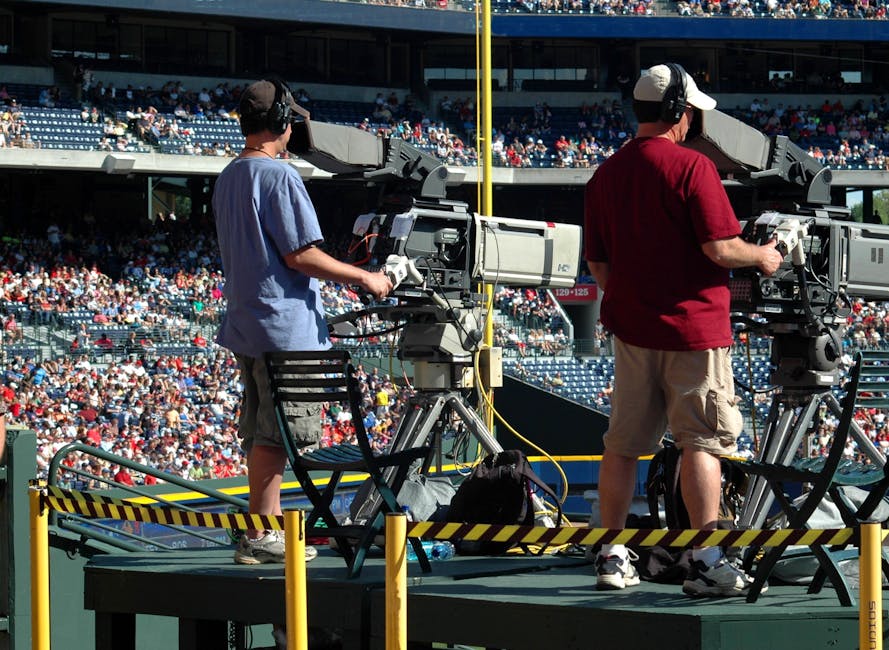
Australian senators have expressed profound concerns regarding the saturation of gambling advertising during live sports coverage, arguing that it normalizes betting behavior for vulnerable cohorts, particularly young people. During the two-day Senate hearings in August 2026, the Coalition communications spokeswoman Sarah Henderson directly accused minister for sport Anika Wells of failing to deliver effective reforms. The primary issue raised is the perceived failure to provide a “workable” solution that satisfies community concerns while maintaining the integrity of sporting broadcasts. Senators are particularly focused on the volume of betting-related content that reaches households during family-friendly viewing times. They contend that the frequency of these ads creates an environment where sports and gambling are inextricably linked, thereby lowering the barrier to entry for individuals who might otherwise avoid participating in high-risk betting activities that can lead to significant financial distress and social consequences.
Specific proposals being debated include the implementation of a total ban on gambling inducements—such as “bonus bets” or sign-up incentives—which are viewed by many experts as predatory tactics designed to encourage habitual usage. Senators are also pushing for the introduction of mandatory opt-in mechanisms for online sports streaming platforms, effectively allowing viewers to control the volume of betting content they encounter while watching their favorite matches. These concerns are rooted in a broader systemic goal to reduce the overall “harm footprint” of the gambling industry in Australia. For instance, a regular match-day experience often involves multiple betting ad breaks that interrupt the flow of the game, creating a persistent pressure to bet. By challenging the status quo, the Senate is attempting to force sports administrators to consider alternative revenue models that do not rely on constant advertising exposure, thereby prioritizing public interest over the short-term financial gains of betting agencies.
The tension between the Senate and sports leaders is further exacerbated by the perception that the government has “dropped the ball” on delivering timely and impactful policy changes. This criticism reflects a sense of urgency among lawmakers who feel that the current regulatory gaps are being exploited at the expense of public welfare. As the debate continues, the specific details regarding how these bans might be implemented remain a point of significant contention. Providing a clearer path forward for consumers is essential, as many households are looking for ways to limit their exposure to these promotions. As a practical takeaway, individuals who feel uncomfortable with the level of gambling content in broadcasts should utilize the settings available on streaming platforms or report excessive ad frequency to the relevant regulatory body, such as the Australian Communications and Media Authority, as the situation evolves throughout the latter half of 2026.
How do Australia’s gambling advertising laws compare to other countries’ regulations?
Comparing the gambling advertising laws Australia to international standards reveals a landscape of increasing divergence, as many jurisdictions move toward more restrictive models to protect the public. In countries such as Italy and Spain, governments have already implemented sweeping bans on gambling advertising that go far beyond what is currently debated in Canberra. For example, Italy introduced a comprehensive prohibition on almost all forms of betting advertising in 2018, citing the necessity of curbing gambling addiction rates. This international trend toward “harm minimization” contrasts with the Australian model, which has historically prioritized commercial liberty and revenue generation for sports codes. The ongoing Senate inquiry represents a critical moment where Australia is evaluating whether to follow these restrictive international precedents or continue with a market-based approach that seeks to balance industry interests with social harm reduction strategies.
The effectiveness of international regulations often depends on the enforcement mechanisms utilized by each government to penalize non-compliance. In the United Kingdom, for instance, there has been a steady tightening of restrictions regarding how betting companies can market to younger demographics, including bans on the use of celebrities or athletes in promotional campaigns. These measures aim to detach the “glamour” of sport from the act of placing a bet. In contrast, the current Australian debate centers more heavily on the volume and frequency of ads during broadcasts rather than a wholesale ban on the partnerships themselves. When reviewing these differences, it is clear that Australia’s unique reliance on gambling revenue to support its sporting culture makes a complete prohibition a much more complex legislative challenge than it might be in regions with different professional sports funding structures.
For those tracking these changes, the global context provides a glimpse into potential long-term outcomes for the Australian advertising market. If Australia adopts stricter, European-style regulations, it could lead to a significant contraction in the revenue available to sports clubs and broadcasters, potentially necessitating a shift toward different sponsorship categories or subscription-based models for sports content. The current legislative push is, therefore, not just about health outcomes; it is a debate about the future of the professional sports economy itself. Keeping an eye on international case studies can help observers understand the likely economic impacts of the proposed Australian laws. While no single country serves as a perfect template, the global trend toward tightening regulations is a strong indicator that the status quo in Australia will likely face sustained pressure until more restrictive, clearly defined standards are finally codified into law.
What are the potential risks of loose gambling advertising laws on vulnerable populations?
Loose gambling advertising laws pose a significant threat to vulnerable populations, including young adults and those already experiencing financial instability, by creating a false sense of normalcy around betting. The constant exposure to advertisements during popular sports programs like the NRL can blur the lines between recreational sports enjoyment and financial risk-taking. According to data from the Australian Treasury, the cumulative economic impact of gambling losses represents a substantial drain on household disposable income, often diverting funds away from essential living costs (Source: Treasury, 2026). When advertisements emphasize ease of use and “no-risk” bonuses, they specifically target the cognitive biases that often lead to impulsive financial decisions. This environment is particularly hazardous for individuals who may struggle with self-regulation, as the ads act as persistent triggers for betting behavior, regardless of the person’s intent or current financial standing.
Research suggests that the normalization of gambling within sports broadcasting significantly increases the risk of early-onset gambling issues among teenagers and young adults. When sporting heroes are featured alongside betting odds, it confers a level of social legitimacy upon the activity that can be difficult to counter with education alone. The potential for long-term harm is compounded when these individuals enter the workforce, as they may carry developed habits into their adult lives, impacting their ability to manage personal finances effectively. For example, a young person who grows up equating the NRL with betting apps may not perceive the financial danger until they have already incurred significant debt. This creates a cycle where the very industry that relies on the sport’s popularity also contributes to the financial fragility of the fanbase, creating a paradoxical situation that requires urgent regulatory attention to protect future generations from lasting economic harm.
Mitigating these risks requires more than just limiting the quantity of advertisements; it requires a systemic shift in how gambling companies interact with the public. Policies that mandate clearer warnings, restrict the timing of ads to late-night slots, or demand the removal of “bonus” terminology are steps toward a safer environment. It is vital for families to remain vigilant and utilize parental controls on devices where possible to limit exposure for children. If you or someone you know is struggling with gambling-related issues, seeking help early is essential. Contacting professional support services, such as local counseling centers or national helplines, provides a necessary safeguard against the persistent pressure of advertising. Understanding these risks is the first step toward building a more responsible sporting culture where the focus remains on the game rather than the odds, ensuring that community wellbeing is prioritized above the revenue goals of gambling operators.
What changes to gambling advertising laws is the government considering in Australia?
The Australian government is currently considering a comprehensive suite of reforms, with the most prominent proposals being a strict ban on gambling inducements and the introduction of opt-in controls for digital sports streaming. As of August 05, 2026, the ongoing Senate hearings have highlighted the necessity of broadening the scope of when gambling advertisements are banned on free-to-air television. These potential changes aim to address the gaps identified by the Coalition and the Greens, who are pushing for a more rigorous enforcement framework to reduce the visibility of betting content during hours when families are most likely to be watching. The proposed changes are designed to limit the influence of betting agencies on the sports broadcast experience, ensuring that federal law aligns more closely with contemporary public health goals and community expectations regarding the appropriate promotion of high-risk activities.
In addition to the physical broadcast restrictions, there is a strong focus on the digital sphere, where current regulations are often viewed as lagging behind technological capabilities. Legislators are exploring how to enforce stricter standards on apps and streaming services that often bypass traditional television regulations. This includes requirements for clearer “opt-out” or “opt-in” features, giving users the autonomy to strip away gambling content from their personalized viewing streams. The potential for these changes to disrupt existing broadcast revenue models is high, but the government is under increasing pressure to prioritize safety over corporate interests. For instance, if the new laws come into effect, broadcasters may be forced to replace betting-related ad slots with alternative content, fundamentally altering the visual landscape of a match day for the average Australian sports viewer. The final legislative package will likely be a result of the ongoing negotiations between these competing industry and political factions.
For the average Australian, these proposed changes represent a meaningful step toward reclaiming the sports viewing experience from the dominance of the betting industry. While the exact implementation details remain subject to further parliamentary debate throughout the remainder of 2026, the trajectory of the policy is clearly toward tighter restrictions. Citizens and stakeholders should keep a close watch on government announcements, as the specifics of these reforms will dictate how sports leagues manage their partnerships moving forward. Being aware of these developments allows you to better understand the changing media landscape and advocate for further protections if necessary. The ultimate goal of these government considerations is to foster an environment where fans can enjoy Australian sports without the constant, pervasive influence of gambling advertising, ensuring a safer and more balanced experience for all viewers across the country.