
Insurance costs for Australian homeowners and rising premiums
Home insurance provides financial protection against damage to your property, with premiums currently rising across the country. At BanksiaPulse, we cover the financial shifts affecting Australian households, including recent data showing a 16% increase in average home insurance premiums nationwide (Source: APRA, 2024). Many families are feeling the pressure of these heightened costs, which often stem from increased rebuilding expenses and climate risks. Understanding these market dynamics is essential for managing your personal finances in the current economy.
Why Has Home Insurance in Australia Become So Expensive?
Home insurance premiums have surged primarily due to the rising costs of construction materials and labor combined with increased environmental risks. According to the Australian Prudential Regulation Authority, insurers have adjusted their pricing models to reflect the higher probability of severe weather events requiring costly property repairs (Source: APRA, 2024). When the cost to rebuild a home increases—driven by inflation in the building sector—insurers must raise premiums to ensure they have sufficient capital to meet potential claims. For many homeowners, this creates a situation where keeping their property adequately insured becomes a significant budget line item. The financial strain is particularly acute for those in regions prone to flooding or bushfires, where insurers apply higher risk weightings. Staying informed about these broader economic pressures allows you to better anticipate changes when your annual renewal notice arrives in the mail each year.
The complexity of the global reinsurance market further compounds these local price increases for Australian consumers. Reinsurance is essentially insurance for insurance companies, which provides a safety net when large-scale disasters occur across the country. As international reinsurance firms face higher global demand for coverage, the costs they charge local insurers have climbed, forcing a pass-through of these expenses to the policyholder. This is a common mechanism in global finance, yet its impact on your domestic household budget can feel overwhelming. By monitoring reports from the Reserve Bank of Australia, you can gain a deeper understanding of how inflationary trends influence the broader insurance landscape. For instance, if you own a property in a high-risk zone, you might notice your premium growth outpaces the national average as insurers recalibrate their risk exposure.
Policyholders should also consider the impact of historical claims data, which informs the long-term sustainability models used by financial institutions. Insurers are not just looking at the current year; they are looking at multi-year cycles of extreme weather and property damage. This long-term perspective means that even if your specific area has not seen a major event, you may still face premium hikes based on regional or national risk assessments. It can be frustrating to pay more when you have not made a claim, but this is the nature of pooled risk in insurance. To manage these costs, homeowners must be proactive in maintaining their properties to reduce physical risks, such as clearing gutters or reinforcing roof structures. These small, practical steps can sometimes lead to more favorable assessments, helping you mitigate the impact of broad market increases on your own bottom line.
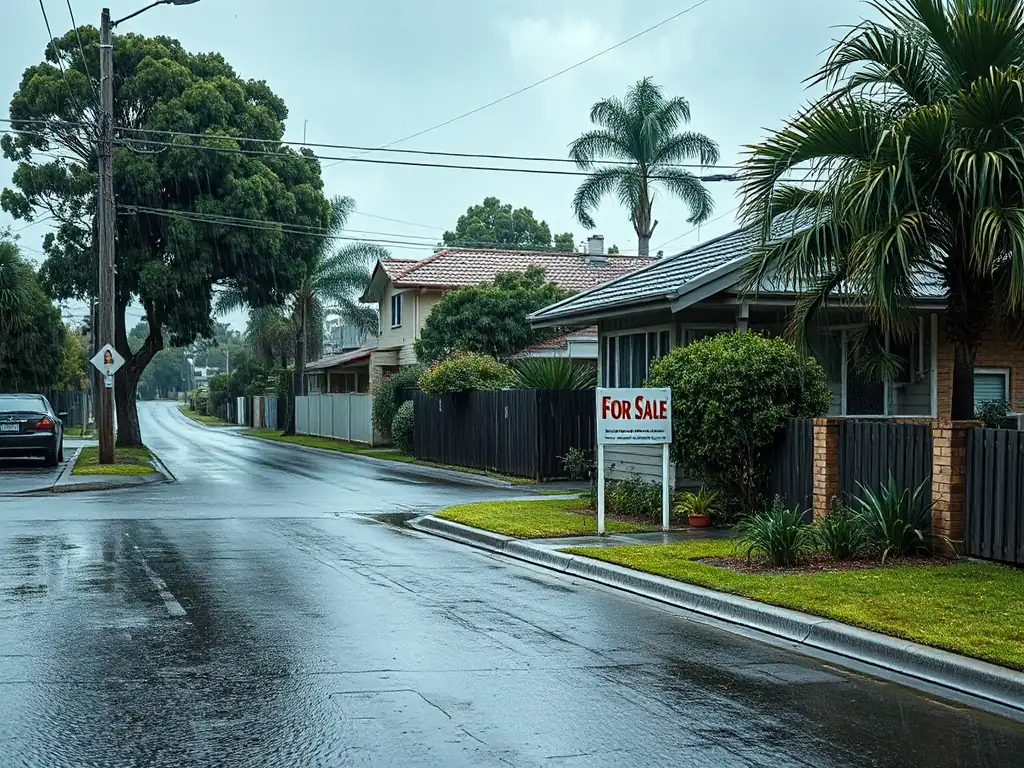
![[A photograph of a residential street in an Australian suburb showing well-maintained homes and gardens]](https://images.pexels.com/photos/33815095/pexels-photo-33815095.jpeg?auto=compress&cs=tinysrgb&h=650&w=940)
What Factors Determine Your Home Insurance Cost?
Your home insurance premium is calculated based on a detailed assessment of your property’s specific location, structural attributes, and chosen level of coverage. Factors such as the age of your home, the materials used in construction, and the local crime rate significantly influence the final quote provided by your insurer. A home built with fire-resistant materials or one located in a gated community may attract a lower premium than a house built of timber in an area with a high incidence of storm damage. Insurance companies use complex algorithms to assign a risk score to every individual address. This risk score essentially predicts the likelihood and potential cost of a future claim, which directly dictates how much you pay for your policy. Understanding these inputs helps you see why your premium might differ drastically from a neighbor’s.
Location is often the most significant variable in this equation, as proximity to coastlines, forests, or flood-prone river systems is a major indicator of potential disaster risk. In Australia, the postcode of your property is a fundamental data point that insurers use to determine your climate vulnerability. For instance, if your property is located in an area that the Australian Bureau of Statistics identifies as a flood plain, your premium will likely include a higher risk loading (Source: ABS, 2023). Beyond geography, the “sum insured” figure—the amount it would cost to fully rebuild your home from scratch—is a critical factor. It is vital to ensure this number is accurate; if it is too low, you risk being underinsured, but if it is too high, you are paying unnecessary premiums for coverage you do not actually need.
Finally, your personal claim history and the policy excess you select play a major role in the cost. An excess (the amount you pay toward a claim before the insurer covers the rest) can be adjusted to influence your annual premium. Choosing a higher excess will generally lower your annual insurance cost, but it requires you to have more cash on hand if you do need to make a claim. Many homeowners find this a useful trade-off when they have a healthy emergency fund. It is recommended to review your policy annually to ensure that your chosen excess still aligns with your current financial situation. By balancing these factors—risk mitigation, accurate sum insured, and appropriate excess levels—you can exercise some degree of control over an expense that feels largely dictated by external market forces.
How Can Homeowners Lower Their Insurance Premiums?
You can often reduce your insurance costs by bundling policies, increasing your excess, or improving the security and safety features of your home. Many insurers offer significant discounts if you combine your home and contents insurance or hold multiple policies—such as car and life insurance—with the same provider. This multi-policy discount is a common strategy to retain loyal customers, and it can save households a noticeable percentage of their total annual premium. Beyond bundling, conducting a thorough check of your home’s security measures—such as deadlocks, window locks, and monitored alarm systems—can also lead to lower rates. Insurers appreciate when homeowners take active steps to minimize the risk of theft or damage, as this directly reduces their likelihood of needing to process a claim for your property.
Another effective way to manage costs is to reassess your sum insured annually, ensuring it reflects current market realities rather than outdated valuations. If you have renovated your kitchen or added a new deck, your rebuild cost has changed, and your policy should be updated accordingly to avoid underinsurance. However, if your home’s value has stabilized or your living circumstances have simplified, ensuring you are not over-insured can prevent you from paying for coverage you do not require. It is a balancing act, but spending twenty minutes once a year to verify your coverage levels against current building costs can lead to more efficient spending. Using tools provided on Moneysmart’s website can provide guidance on how to calculate your building replacement costs more accurately.
Furthermore, consider the physical maintenance of your property as a proactive insurance strategy. Clearing debris from your property, maintaining roof integrity, and ensuring your home is compliant with local fire safety standards are all measures that can sometimes be highlighted to insurers. While some companies have fixed risk-based pricing that is difficult to negotiate, others offer “good behavior” discounts for properties that are well-maintained and show lower susceptibility to common hazards. You should never be afraid to call your insurer to ask specifically what steps you can take to lower your premium. Sometimes, simply asking for a loyalty review or comparing your current policy against a competitor’s offer can prompt the company to provide a more competitive price to ensure they don’t lose your business to another provider.
Which Australian States Have the Highest Insurance Rates?
Premiums vary substantially across Australia, with Queensland and parts of Northern New South Wales often recording the highest insurance rates due to their high exposure to extreme weather. Tropical cyclones, seasonal flooding, and bushfire risk in these regions force insurers to charge higher premiums to cover the increased probability of widespread property damage. Conversely, regions with more stable climates typically experience lower, more predictable insurance pricing. According to industry reports, state-based levies and taxes on insurance policies also contribute to these regional discrepancies, making it more expensive to insure a property in some jurisdictions than in others (Source: APRA, 2024). Understanding the geographical disparity helps you contextually frame your own costs when comparing your situation to friends living in other parts of the country.
For instance, a homeowner in a flood-prone area of Northern Queensland might face premiums that are double or even triple what a similar homeowner pays in a low-risk suburban area of Victoria. This is not arbitrary; it is a reflection of the actuarial risk that the insurer takes on by covering that specific location. Residents in these high-cost states often feel the burden of insurance more acutely, leading some to seek assistance or explore state-sponsored mitigation grants if they become available. It is a challenging reality for many who choose to live in beautiful but high-risk environments. The key is to remain realistic about the costs of living in these regions and to factor those high insurance premiums into your overall housing affordability assessment before deciding where to purchase or rent.
Despite the regional differences, the trend of rising costs is a national phenomenon, even if the absolute figures differ between states. Every Australian homeowner, regardless of their location, is experiencing the impact of inflation and the rising cost of materials. If you are planning a move or looking to purchase a new property, investigating the local insurance landscape should be a standard part of your due diligence. You can research the history of weather events in your target area to get an idea of what your long-term insurance outlook might be. By being informed about the specific risks of your region, you can better plan your finances and avoid the shock of receiving a renewal notice that far exceeds your budget projections for that specific local market.
How Do You Compare Home Insurance Quotes Effectively?
Comparing insurance quotes effectively requires you to look beyond the price tag and focus on the specific terms, inclusions, and exclusions within the Product Disclosure Statement (PDS). Many homeowners make the mistake of choosing the cheapest policy without checking whether it provides adequate coverage for events like flash flooding, accidental damage, or temporary accommodation if your home becomes uninhabitable. A policy might look inexpensive, but it could offer a lower payout limit that would leave you out of pocket during a major incident. Always compare “like for like” by ensuring each quote uses the same sum insured figure and includes the same essential options, such as portable contents or home-based business equipment, if you require them.
One practical approach is to create a spreadsheet listing the main benefits and policy limits of at least three different insurers. Note the excess amounts, the process for making a claim, and any specific inclusions for things like solar panels, fencing, or storm damage. This method helps strip away the marketing jargon and allows you to focus on the objective value of the policy. For example, if you are a Sydney-based professional who works from home, you need to ensure your home office equipment is covered under your policy, which might not be the case with a basic plan. By meticulously comparing these details, you ensure that when an emergency happens, you are protected by a policy that actually meets your specific needs rather than just the one with the lowest annual cost.
Another critical component of effective comparison is reading customer reviews and checking the claims service reputation of each insurer. A cheap premium is of little value if the company is notoriously difficult to deal with during the stressful period of filing a claim. Look for information on how quickly they process payments and whether they have local customer support that you can easily reach. Many comparison websites exist, but verify that they provide unbiased information and are not just pushing policies from companies that pay for higher rankings. Taking the time to research the reputation and reliability of your insurer is an investment in peace of mind. It ensures that your decision is based on both financial value and the actual service you expect to receive when you need it most.
What Happens If You Can’t Afford Home Insurance?
When home insurance becomes unaffordable, you face a significant financial risk, as you may be personally liable for the full cost of repairing or rebuilding your home after an accident or natural disaster. If you have a mortgage, your bank will typically require you to maintain a policy as part of your loan agreement, meaning letting it lapse could be a breach of contract that puts your home ownership in jeopardy. If you find yourself in a position where the premiums are simply too high for your budget, you must prioritize finding a solution rather than simply canceling the coverage. Start by contacting your current insurer to discuss payment plans or adjustments to your policy that might make it more manageable while still providing essential coverage.
For many homeowners, the best course of action is to reduce the scope of coverage rather than eliminating it entirely. You might opt for “total loss” cover, which only pays out if your home is completely destroyed, rather than a more expensive policy that covers every minor repair. While this is not ideal, it provides a safety net against the absolute worst-case scenario. Additionally, look for community support resources or government-funded financial counseling services that can help you structure your budget to accommodate the cost of insurance. Ignoring the issue or assuming that a disaster will not happen to you is a high-stakes gamble that rarely pays off in the long run. Professional financial counseling can often help identify areas where you can cut costs to prioritize this essential protection.
If you are struggling, reach out to your lender immediately to explain your situation. They may be able to offer guidance or, in extreme cases, suggest options that prevent you from falling into default. It is also worth checking if you qualify for any hardship provisions offered by your insurer. Most major Australian insurance companies have internal processes to support customers facing genuine financial hardship, such as temporarily reducing premiums or offering more flexible payment terms. Never suffer in silence; there are systems in place, and reaching out early is always better than waiting until a crisis occurs. By taking proactive steps and communicating clearly with your financial partners, you can navigate these difficult periods and maintain the security of your home even when times are tough.