
Privacy laws Australia: Are Smart Glasses Threatening Our Rights?
Current privacy laws Australia are currently being scrutinised following the mainstream rise of camera-equipped wearable technology. As of August 09, 2026, federal Attorney-General Michelle Rowland has formally requested that the privacy commissioner urgently review the risks posed by smart glasses. This comes as concerns grow regarding the potential for covert filming in public spaces, which may lead to an increase in harassment and stalking incidents. At BanksiaPulse, we examine if existing frameworks provide adequate protection for Australians in this new era.
- What are smart glasses and how do they work in Australia?
- How do Australia’s current privacy laws apply to smart glasses technology?
- What are the main privacy risks associated with wearing smart glasses?
- Which Australian privacy regulations are failing to keep pace with smart glasses innovation?
- What personal data can smart glasses collect and store under Australian law?
- How can individuals protect their privacy when using smart glasses in Australia?
- Frequently Asked Questions
What are smart glasses and how do they work in Australia?
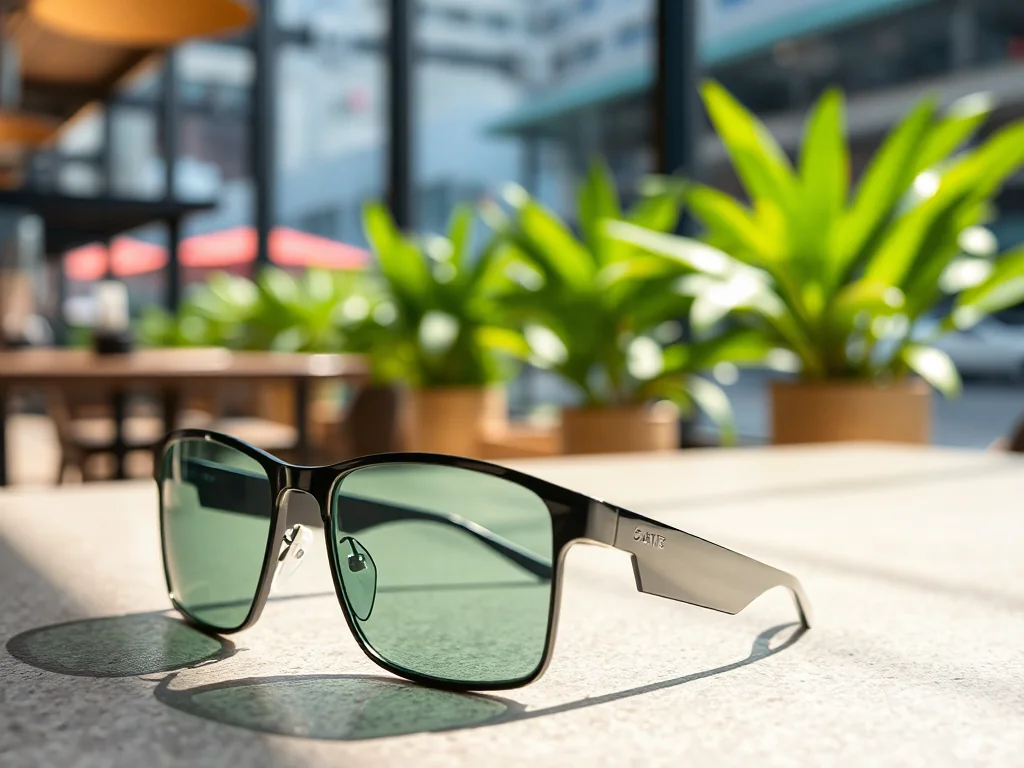
Smart glasses are wearable optical devices that integrate digital displays, processors, and cameras to augment a user’s vision or capture their surroundings. In the Australian market, these devices often feature discreet lenses capable of recording high-definition video or taking photographs without the need for a handheld smartphone. The technology operates by streaming captured media to cloud-based storage or linked social media platforms, effectively turning the wearer into a mobile surveillance point. As these devices gain popularity, they introduce a distinct challenge for personal boundaries in busy hubs like Sydney or Melbourne. Functionally, the devices use sensors to trigger recording, often indicated by a small LED light. However, bystanders may not always notice these indicators, especially in daylight or crowded public areas. This capability has sparked intense debate about the intersection of consumer convenience and the right to privacy in public spaces. As the technology evolves, the integration of facial recognition or real-time data analysis could further alter how Australians interact with these wearables. It remains essential for users to understand that just because a device is small, it is not exempt from local conduct expectations.
![[Smart glasses showing a discrete camera lens recording in a public space]](https://images.pexels.com/photos/38062351/pexels-photo-38062351.jpeg?auto=compress&cs=tinysrgb&h=650&w=940)
For Australians, this means that every public interaction could potentially be recorded and uploaded without explicit consent from those captured in the frame. Understanding the technical limitations and features of your own device is the first step toward responsible usage. While manufacturers often include privacy features, the onus remains on the individual to respect the surroundings and adhere to local social norms. If you are considering purchasing these devices, visit Office of the Australian Information Commissioner for guidance on privacy obligations.
How do Australia’s current privacy laws apply to smart glasses technology?
The application of current privacy laws Australia to smart glasses is currently ambiguous, as many existing regulations were drafted long before wearable cameras became a consumer staple. The Privacy Act 1988 generally governs the handling of personal information by agencies and large organisations, but it provides limited protection against individual actors using personal technology in public. Consequently, individuals capturing footage for personal use often fall outside the stringent compliance requirements that businesses must follow. This creates a significant gap in the legal protection afforded to members of the public. When an individual uses smart glasses to record others, the primary legal tension lies in the distinction between private conduct and the systematic collection of sensitive data. If a device automatically uploads images to a public server, the privacy commissioner may view this as a potential breach of personal data protection standards. However, the lack of specific, up-to-date legislation regarding wearable cameras makes it difficult for authorities to prosecute instances of unauthorized recording. Legal experts suggest that current frameworks might need a major update to address the unique nature of always-on surveillance tools worn by the general public.
Without specific legislative amendments, Australians must rely on common law protections, such as actions for nuisance or potential breaches of confidence, which can be costly and difficult to pursue. For instance, if a person were to record a private conversation in a café, the legal pathway to stop the distribution of that content is currently unclear. Staying informed on official Australian privacy guidelines is necessary to understand how your own rights may be affected by new technological developments across the country.
What are the main privacy risks associated with wearing smart glasses?
The primary privacy risks involve the covert recording of bystanders and the potential for these devices to facilitate harassment, voyeurism, and non-consensual tracking of individuals. Because the glasses are designed to look like standard eyewear, unsuspecting women and men in public spaces are particularly vulnerable to having their images captured for social media content without prior approval. This risks creating a social environment where people feel constantly under surveillance, which could significantly diminish the expectation of privacy that Australians have historically enjoyed in public areas and shopping centres. Beyond simple recording, the data storage aspect presents a critical risk. When images are captured, they are often linked to a digital profile or cloud service that may not be sufficiently secured against unauthorized access. This allows for the risk of data breaches where sensitive visual information is exposed, or the creation of comprehensive profiles on individuals without their knowledge. The sheer volume of visual data being collected by personal devices is increasing, and without proper regulation, this information could be used for predatory targeting or unwanted digital monitoring of unsuspecting members of the community.
For example, if you are walking through a busy Sydney station, you could be recorded by multiple pairs of smart glasses simultaneously. This scenario highlights how easily personal movements can be tracked or exploited. Users should be aware that the act of wearing these devices can inadvertently contribute to a culture of non-consensual surveillance. To mitigate these risks, users are encouraged to maintain awareness of their surroundings and strictly limit recording to situations where they have received explicit permission from all involved parties to ensure that personal boundaries remain respected.
Which Australian privacy regulations are failing to keep pace with smart glasses innovation?
Current privacy laws Australia are struggling to keep pace because they focus heavily on the institutional collection of data rather than the pervasive nature of consumer-grade, personal wearable devices. The Privacy Act does not typically extend its reach to individual “acts and practices” of a private citizen filming for personal reasons. This legislative gap leaves a wide latitude for individuals to use smart glasses in ways that violate the spirit of privacy protections, yet remain legally permissible under the current definition of individual data handling. Furthermore, state-based surveillance device laws, which vary across Australia, were largely written for static CCTV or handheld cameras, not for devices that are perpetually worn as an accessory. These state-specific laws often require an element of “intent to record private activity” that is difficult to prove when a person is merely “wearing glasses.” As a result, the legal threshold for establishing a privacy violation is higher than what is practical for most bystanders to challenge. This regulatory lag allows innovation to outstrip the legal protections intended to keep Australian communities safe from technological overreach.
The urgency expressed by Attorney-General Michelle Rowland highlights the recognition that the status quo is no longer sufficient to mitigate these emerging societal risks. Legislative bodies are now tasked with the challenge of redefining “personal use” in a way that includes the active recording of public spaces by private individuals. Until such time as these laws are updated, citizens will continue to occupy a grey area of legal rights. Watching for new parliamentary discussions or amendments to the Privacy Act will be crucial for understanding how the landscape of legal protections changes in the coming months.
What personal data can smart glasses collect and store under Australian law?
Smart glasses can collect a vast array of personal data, including high-resolution video, photographs, audio recordings, and potentially biometric identifiers like facial recognition metadata. Under current privacy laws Australia, the status of this collected data is complex, as it sits at the intersection of public observation and private data storage. If a device captures an individual’s likeness, that information can be classified as “personal information” if it can identify the person, yet the rules governing how that information is stored or shared by a private user are notably less restrictive than those for a business. Data storage protocols vary significantly by manufacturer, with some companies storing imagery in secure, encrypted cloud environments, while others may leave data vulnerable on the device itself. This diversity in storage standards poses a significant risk to the privacy of those captured in the frames. If a user uploads footage to a cloud platform, the terms of service of that specific provider often dictate the legal handling of the data, which may not always align with Australian standards for data sovereignty or the right to have one’s image deleted upon request.
Consider a scenario where a user captures footage of a crowd at a concert and automatically tags people using facial recognition features integrated into the glasses’ software. This creates a digital database of individuals without their consent. The Australian Information Commissioner has previously emphasized that even if the collection occurs in public, the subsequent use of that data must be reasonable. While there is no current direct prohibition, future regulatory frameworks may place stricter limits on the “processing” of visual data collected via wearable technology, especially regarding the use of biometric or identifiable information in public spaces.
How can individuals protect their privacy when using smart glasses in Australia?
Protecting privacy while using or encountering smart glasses in Australia requires a combination of personal vigilance and informed usage habits regarding digital devices. For those who own and operate smart glasses, the most effective protection is adherence to a strict personal code of ethics, such as informing everyone present when a device is active and avoiding recording in intimate or highly private environments. This transparency helps maintain social trust and reduces the likelihood of legal or interpersonal conflicts stemming from the unintentional capture of sensitive or private moments. For those concerned about being recorded by others, there are limited direct defensive measures, but being aware of the design of common wearable tech is a practical start. If you suspect you are being recorded in a way that makes you uncomfortable, clearly expressing your discomfort to the wearer is often the fastest way to stop the behavior. Furthermore, keeping informed about your rights, as outlined by the Office of the Australian Information Commissioner, provides a solid foundation for any potential complaints regarding the misuse of your image or data in a way that violates your privacy in a public or professional setting.
Ultimately, as privacy laws Australia continue to evolve to meet the challenges posed by new technology, public awareness will be the most robust defense. Technology will always advance faster than the legislative process can react, making personal responsibility the primary barrier to misuse. Whether you are a user or a bystander, staying updated on local developments and engaging in open conversations about privacy standards will ensure that the integration of smart glasses remains a safe and respectful endeavor for all Australians moving forward throughout 2026 and beyond.