
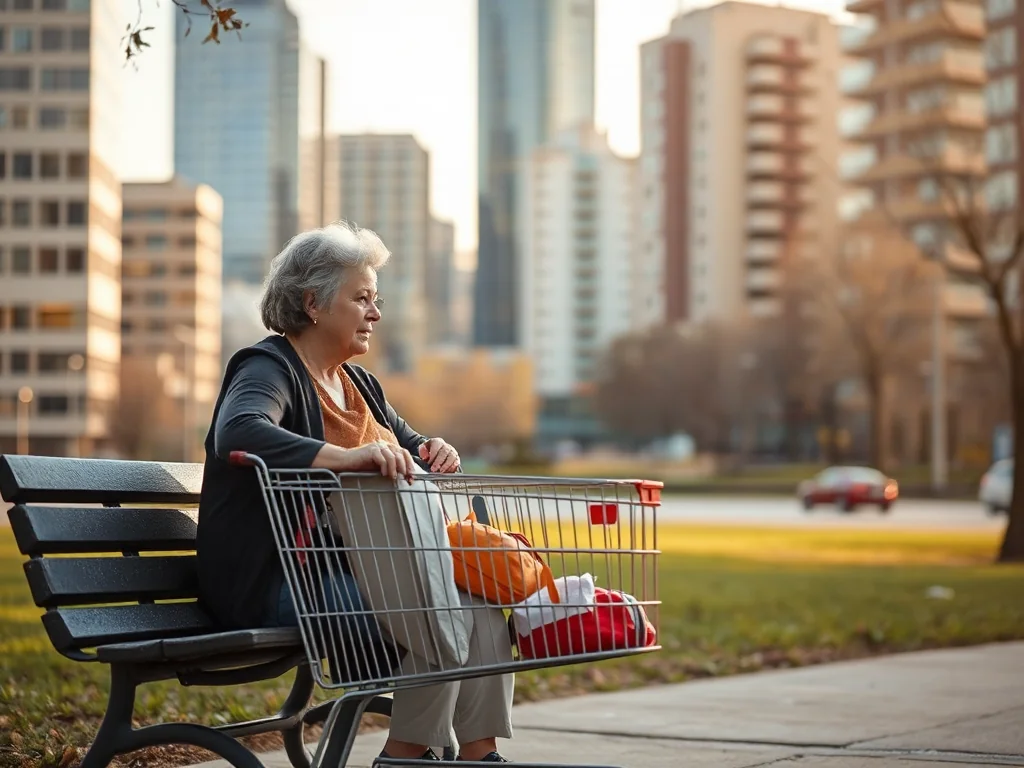
Homelessness Among Women in Their 50s: Understanding the Risks
Homelessness is defined by the Australian Institute of Health and Welfare (AIHW) as a state where a person lacks one or more of the elements that represent ‘home’, including adequate shelter, security, and personal control (Source: AIHW). At BanksiaPulse, we monitor these urgent social shifts, and new research confirms that women aged 55 to 59 are currently one of the fastest-growing cohorts experiencing housing instability in Australia. With more than a third of single women over 60 living in poverty (Source: StreetSmart, 2026), the threat of homelessness has become a critical issue for mature-aged Australians.
- Why are women in their 50s at higher risk of homelessness than other groups?
- What are the main causes of homelessness for middle-aged women in Australia?
- How does women’s homelessness in Australia compare to homelessness rates in other countries?
- What warning signs indicate a woman in her 50s may be at risk of becoming homeless?
- What government support and housing assistance programs are available for homeless women?
- What practical steps can women take to prevent homelessness and secure stable housing?
- Frequently Asked Questions
Why are women in their 50s at higher risk of homelessness than other groups?
Women in their 50s face a unique convergence of financial and social vulnerabilities that significantly increase their risk of homelessness compared to other age brackets. Much of this instability is tied to long-term systemic issues, such as the gender pay gap and career interruptions taken to manage unpaid caring duties, which often result in lower superannuation balances heading into retirement. When these historical financial disadvantages are met with the rising cost of living and the current rental crisis, many women find themselves unable to maintain secure housing. For instance, a woman who has spent decades outside the full-time workforce may lack the financial buffers required to handle sudden rent hikes or unexpected life events like a marriage breakdown or medical crisis. This demographic often falls into a precarious “missing middle” where they are ineligible for many acute support services yet lack the personal assets to survive in a competitive, high-cost private rental market.
The situation is further exacerbated by the increasing number of women who are single and ageing without the safety net of home ownership. Data indicates that for many in this cohort, the transition into their mid-50s involves a reduction in household income, often coinciding with adult children leaving home or the death of a spouse. Without access to family wealth or the equity that provides stability for older homeowners, these women are forced into the rental market at a time when competition for affordable dwellings is at an all-time high. The psychological impact of this sudden housing insecurity cannot be overstated, as it often forces individuals to choose between basic essentials like food, medication, and safe shelter. For those navigating this reality, the lack of secure tenure leads to a cycle of poverty that is difficult to escape without dedicated housing interventions that specifically target the needs of mature-aged single women.
To address these systemic vulnerabilities, experts suggest that greater focus is required on social housing allocation and long-term financial planning education for women in their 40s and 50s. While government initiatives exist, the current pace of change often fails to match the speed at which this population group is losing stable accommodation. Addressing the gendered nature of poverty requires more than just crisis management; it necessitates policy changes that recognise how a lifetime of lower earnings impacts housing outcomes in the later stages of life. For women currently feeling the pressure of rising costs, engaging with financial counselling services early can sometimes prevent the slide into deeper crisis. By understanding the structural drivers, advocates are working to push for legislative shifts that prioritise the needs of women over 55 in national housing strategies, aiming to prevent this demographic from falling further into the cycle of chronic homelessness.
What are the main causes of homelessness for middle-aged women in Australia?
Domestic and family violence remains a leading cause of homelessness for women in their 50s, acting as a primary catalyst for sudden, involuntary displacement from the family home (Source: StreetSmart, 2026). When a woman experiences violence at home, the decision to leave is often the only way to ensure personal safety, yet this immediate action frequently leads to a total loss of financial security. Many women find that once they flee, they lack the legal and financial resources to contest assets or secure new housing in a market that prioritises tenants with high-income stability. This, combined with the rising cost of private rentals, forces many into overcrowded temporary accommodation or, in worse scenarios, car-based living. The trauma of the violence is compounded by the loss of community connections and the destabilisation of their long-term financial future, making the path to recovery exceptionally challenging for this specific age group.
Beyond the immediate impact of violence, chronic under-employment and low superannuation accumulation are major contributors to housing instability in this age bracket. Because women are historically more likely to work in part-time or low-paid roles to accommodate family needs, they arrive at age 55 with significantly less retirement capital than their male counterparts. When a health issue arises or a job is lost, there is often no financial reserve to draw upon to bridge the gap. This structural inequality is a known issue, yet it remains a persistent barrier to housing retention for thousands of Australian women. The reliance on the private rental market to sustain a basic standard of living becomes unsustainable as rents outpace the growth of support payments or part-time wages, leading to a state where rent consumes a disproportionate percentage of their total income.
Finally, the lack of affordable, age-appropriate housing stock in many Australian suburbs restricts the ability of these women to relocate to more sustainable living arrangements. Many single women in their 50s are forced to compete for the same small, high-demand rental units as students and younger workers, which drives up prices and increases the likelihood of lease non-renewals. This housing squeeze is not a matter of choice but a systemic failure that leaves vulnerable residents exposed to the whims of a volatile property market. For instance, a woman working in retail who has lived in her local suburb for twenty years may find herself evicted due to a landlord selling, only to discover that the median rent in her area has doubled. Without the ability to find a sustainable alternative, she is pushed further toward the margins. Addressing these causes requires an integrated approach that combines affordable housing supply with targeted support for those facing the intersection of gender-based violence and economic hardship.
How does women’s homelessness in Australia compare to homelessness rates in other countries?
Australia shares several common triggers for women’s homelessness with other developed nations, including the gendered distribution of wealth and the high prevalence of domestic violence. However, Australia’s reliance on the private rental sector as a primary provider of housing for low-income earners creates a distinct pressure point compared to countries with higher levels of social housing. In nations with more robust social welfare safety nets, the risk of falling into homelessness following a personal crisis is mitigated by state-provided housing that remains affordable regardless of market fluctuations. By contrast, Australians face a system where the cost of rent is primarily determined by private market forces, leaving those on lower incomes, such as women in their 50s with minimal savings, particularly exposed during periods of economic contraction or housing scarcity (Source: ABS, 2025).
The comparative data suggests that while Australia has a high standard of living, the lack of adequate housing supply for older women is a growing divergence from more equitable international models. For example, in many parts of Europe, there are established models of co-housing or rent-controlled long-term tenancies that provide secure, permanent accommodation for single people. These models help to prevent the sudden, traumatic loss of shelter that occurs in the Australian context when a rental agreement is terminated. In Australia, the mobility required to find housing often leads to social isolation, as women are forced to move away from their established support networks. This isolation in turn makes it harder to secure employment or access local support services, creating a self-perpetuating cycle of vulnerability that is often less severe in countries where community-based housing is more deeply embedded.
Despite these challenges, Australia’s approach to identifying and documenting this crisis is becoming more sophisticated, allowing for better policy comparisons and potential international collaboration on solutions. Researchers often point to the Swedish or Canadian models, which have implemented “Housing First” strategies—a policy where the primary focus is providing permanent housing as the foundation for recovery, without preconditions. While Australia has adopted similar principles in some sectors, the scale of implementation for women over 55 remains limited. The comparative urgency of the issue in Australia is driven by the rapid increase in the cost of living and the unique geography of our major cities, which forces people further away from employment hubs. Understanding these global differences is vital for advocates who are lobbying for more effective, sustainable, and permanent housing solutions for the most vulnerable women in our local communities.
What warning signs indicate a woman in her 50s may be at risk of becoming homeless?
Warning signs often appear as subtle changes in an individual’s financial management, such as consistently choosing between paying rent and covering basic health costs like prescription medication or dental work. When a woman in her 50s starts to defer essential maintenance or finds herself unable to pay utility bills on time, it is frequently a sign that her housing security is already compromised. These individuals may attempt to mask their struggles to avoid the stigma associated with poverty, which can prevent them from reaching out for assistance until they are in a crisis situation. Other indicators include a sudden reduction in social participation, where someone withdraws from community activities to save on costs, or an uncharacteristic reliance on credit cards to cover everyday living expenses when cash reserves are exhausted.
Another critical warning sign is the sudden instability of the living situation itself, such as receiving multiple rent increase notices that exceed the household’s ability to pay. For those who are renting, a lack of clear communication from landlords or the instability of a short-term lease can create immense pressure that affects a woman’s ability to plan for the future. If a person begins to discuss the need for “emergency” alternatives or mentions that they are looking at living in their car, it is a significant red flag that their current housing arrangement has become untenable. For many in this demographic, the fear of losing their home leads to extreme anxiety, which can negatively impact their physical health and performance at work, further threatening the income streams that are keeping them housed in the first place.
Taking early action is essential when these warning signs appear, as the window to prevent homelessness is often much smaller than people anticipate. Practical steps include seeking financial counselling (Source: Moneysmart) to reorganise debt or contacting local community support organisations to explore rental assistance schemes before an eviction notice is issued. Ignoring these signs in the hope that financial luck will turn around is rarely a viable long-term strategy for women in their 50s. Community members, including family and friends, should also remain vigilant; if an older woman expresses concerns about the affordability of her housing or appears distressed about future living arrangements, direct and supportive conversations are necessary. Connecting her with the appropriate welfare services early on can often be the difference between maintaining stability and losing the security of a home.
What government support and housing assistance programs are available for homeless women?
Government support in Australia typically involves a mix of income support payments, rent assistance, and specific homelessness services designed to bridge the gap during times of acute need. Services Australia provides access to a range of financial aids, including the JobSeeker payment and the Rent Assistance supplement, which are intended to help recipients manage the high costs of private rental markets. While these payments are vital, they are often insufficient on their own to cover the soaring rents in major capital cities, meaning that women in their 50s must often layer these benefits with local emergency relief and charity-based support. Accessing these services requires navigating a complex administrative environment, and many organisations now provide case managers to help guide women through the application processes to ensure they receive all the support they are eligible for.
Specific programs, such as the National Housing and Homelessness Plan, are designed to increase the availability of social and affordable housing options, though the demand consistently outweighs the current supply. In many states, priority housing lists are maintained for individuals who are at the highest risk of homelessness, including those who have left domestic violence situations or those with significant health-related housing needs. These programs are essential, but the wait times can be extensive, leaving many women in a state of limbo. For those who need immediate shelter, there are various crisis accommodation facilities and domestic violence shelters that provide a safe space and long-term reintegration support. The goal of these services is to help women stabilise their lives, address the root causes of their housing crisis, and move toward independent living as soon as possible.
To access the most relevant help, it is vital to contact official government agencies directly or consult with a qualified social worker who understands the specific landscape of housing assistance in your state or territory. Navigating the system can be overwhelming, so focusing on reputable, government-funded resources ensures that you are receiving accurate information rather than falling prey to scams. If you are experiencing housing stress, reach out to local community support networks that can provide a direct link to emergency housing providers. For those who are currently at risk, remember that support exists and that you are not alone in this challenge. You can visit the official Department of Human Services website for contact details and a list of local providers who can help you assess your eligibility for various support programs and crisis housing options.
What practical steps can women take to prevent homelessness and secure stable housing?
Prevention starts with an honest assessment of current financial health, including a thorough review of all recurring expenses and potential sources of income. Women in their 50s should take proactive steps to consolidate their financial position by engaging with free government financial counselling, which can help in managing debt and creating a long-term budget that prioritises housing security above other costs. Reducing high-interest debt and exploring all available government benefits, such as supplementary rental assistance or energy rebates, can free up the necessary cash flow to stay ahead of rising living costs. For instance, if you are struggling with a lease, communicating openly with a property manager about your situation might sometimes allow for a temporary arrangement that keeps you in your home while you seek further support.
Building a personal safety net through community and professional networks is another crucial step in securing stable housing. Many women find that sharing resources, such as looking into shared housing arrangements or joining community groups, can provide both social support and reduced living costs. It is important to stay informed about local housing rights, as understanding your legal protections regarding rent increases and eviction notices can prevent unlawful or premature displacement. In many regions, there are advocacy groups that specifically support mature-aged women, providing advice on how to secure long-term rental agreements and how to navigate the complex social housing application process. By staying connected, you remain better equipped to identify risks and respond to them before they become an immediate threat to your living situation.
Finally, planning for the future is essential even when currently dealing with the immediate stress of the housing market. Looking into long-term options like tiny home living, co-housing, or regional relocation can provide alternatives to the high-cost inner-city rental markets that have historically been the primary target for many. While these may require significant lifestyle changes, they often offer a more sustainable path to home security for those who do not have traditional equity. Taking steps today—such as reviewing your superannuation, staying aware of local housing market data, and building your personal support circle—will significantly reduce the likelihood of facing homelessness. Remember that the risk of homelessness is a systemic issue, not a personal failure, and seeking assistance is a brave and necessary step to reclaim your security and stability.