
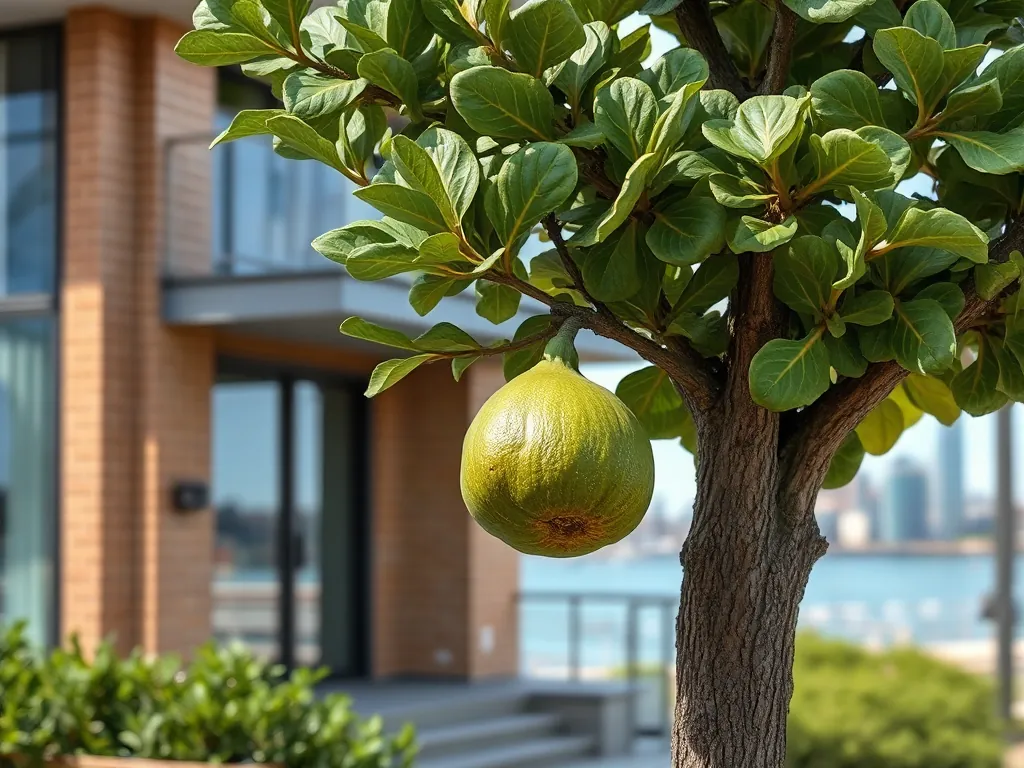
Property regulations and illegal tree removal fines in Sydney
Illegal tree removal on private property can lead to severe financial penalties, as evidenced by a recent Sydney gardener who was fined $200,000 for clearing 287 trees to improve water views. BanksiaPulse reports that protecting urban greenery is a priority for local authorities. As of August 10, 2026, homeowners must navigate strict environmental controls. Understanding your property rights is essential to avoid significant legal consequences. We break down the regulations governing canopy preservation and the risks of unauthorized clearing in residential zones across New South Wales.
What are the property laws regarding tree removal in Sydney Harbour areas?
Property laws regarding vegetation in Sydney Harbour areas are governed by strict Local Environmental Plans (LEPs) designed to preserve the aesthetic and ecological character of the coastline. These regulations often designate specific zones where tree removal is prohibited without explicit council consent, regardless of private ownership status. In many harbourside suburbs, trees are protected not only for their environmental benefits but also to maintain the visual integrity of the landscape. According to the NSW Government (Source: NSW Gov, 2026), failure to adhere to these local planning instruments can lead to prosecution under the Environmental Planning and Assessment Act. Homeowners should consult their specific council’s vegetation management policy before undertaking any landscaping that involves clearing established growth. Ignoring these legal frameworks is a high-stakes gamble that often results in heavy fines and court-ordered restoration requirements, which can cost property owners far more than the initial cost of professional, legal pruning services.
How much can you be fined for illegal tree removal on your property in NSW?
Penalties for illegal tree removal in NSW are substantial, reflecting the high value the state places on urban canopy cover and environmental conservation. While a recent case saw a gardener fined $200,000, fines are determined by the severity of the damage, the ecological importance of the trees, and the scale of the clearing. The Land and Environment Court of New South Wales frequently imposes heavy financial sanctions on both property owners and contractors who participate in the destruction of protected vegetation. Statistics from the NSW government indicate that environmental compliance monitoring is increasing, with enforcement actions regularly appearing in public records (Source: NSW Gov, 2026). If you are considering changes to your property, it is safer to check the current planning controls on your local council website or the NSW Planning Portal to ensure full compliance with the law.
What permits do property owners need before removing trees in Sydney?
Before removing trees in Sydney, property owners generally must apply for a permit or development consent from their local council. The permit application process typically requires a professional arborist’s report detailing the health of the tree, its species, and the justification for its removal. For instance, if a tree is deemed dead, dying, or structurally dangerous, council officers may grant approval more readily. However, healthy trees that contribute to the local canopy are frequently protected under Tree Preservation Orders (TPOs). The application process involves paying a fee and waiting for a council inspection, which ensures that any removal aligns with the area’s biodiversity goals. Without this formal authorization, any attempt to clear vegetation can be classified as illegal activity, leading to hefty fines. It is essential to remember that even if a tree is on your land, it is subject to the council’s regulatory oversight.
![[A photograph showing a dense residential canopy in a Sydney suburb with a view of the harbour.]](https://images.pexels.com/photos/34689481/pexels-photo-34689481.jpeg?auto=compress&cs=tinysrgb&h=650&w=940)
How do councils determine if tree removal is illegal on residential property?
Councils determine the legality of tree removal by comparing current site conditions against historical aerial photography, satellite imagery, and documented council records. When an anonymous report or a routine inspection identifies cleared land, enforcement officers cross-reference the site with previous property surveys to confirm the number and type of trees previously present. They also investigate whether a development application or a permit was ever issued for the specific address. Under the NSW Local Government Act, councils have the authority to issue cleanup notices or start legal proceedings if they suspect a breach of planning controls. For example, if a homeowner decides to clear 287 trees without notifying the council, the disparity between past and present aerial imagery provides clear evidence of unauthorised works. This systematic approach allows local authorities to identify violations quickly and hold both the landowner and the hired workers accountable for the environmental destruction caused to the residential property.
What are the risks of removing trees without approval on your property?
The risks of removing trees without approval extend far beyond the immediate financial penalty of a fine. Property owners may face mandatory court orders to perform expensive environmental remediation, which includes planting and maintaining new trees for a specified number of years until they reach maturity. Furthermore, a criminal record for environmental offenses can significantly impact a person’s reputation and financial standing. Many councils also place a caveat on the property title until the restoration works are complete, which can complicate future property sales or refinancing efforts. According to the Australian Bureau of Statistics (Source: ABS, 2026), urban canopy cover is a critical component of climate resilience, leading councils to enforce these protections with increasing rigour. Taking the risk to clear trees to improve a view is rarely worth the long-term legal and financial fallout that often follows an investigation by council compliance teams.
Can you remove protected trees from your property to improve views?
Removing protected trees solely to improve a view is almost never permitted under existing NSW property laws. Councils prioritise the ecological and social value of the tree canopy over the individual desire for unobstructed water views. Requests to remove trees for the purpose of “view enhancement” are typically rejected, as the community value of the trees is deemed to outweigh the personal benefit to the property owner. There is no legal loophole that allows residents to circumvent these environmental protections for aesthetic gain. If a tree is on the protected species list or falls under a general TPO, it must remain unless it poses an immediate safety risk or is diseased. Attempting to clear such trees in secret often leads to massive fines, which serves as a deterrent against the degradation of the public and private urban landscape. For accurate information on specific tree protections in your local area, visit the Service NSW website to contact your local council.