
ATO Tax Time Warning: What 14 Million Australians Need to Know from July
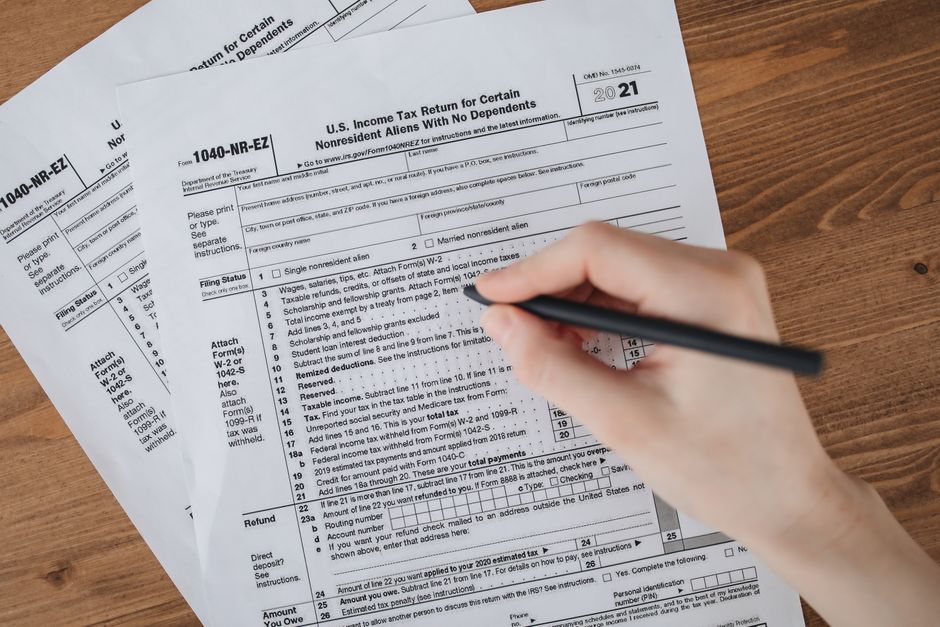
A tax return is the official document you submit to the Australian Taxation Office (ATO) detailing your income, deductions, and tax obligations for the financial year. As of the 2023–24 financial year, approximately 14 million Australians are required to lodge a tax return, and the ATO has issued several critical warnings ahead of the July deadline to ensure compliance and accuracy. Understanding these requirements—whether you’re a full-time employee, small business owner, or part of the growing Korean-Australian community—is essential to avoiding penalties and maximising your refund. According to recent ATO data, over 37% of tax returns lodged contain errors that could delay processing or result in follow-up investigations (Source: ATO, 2024).
What changes is the ATO introducing in July that affect your tax return?
The ATO has implemented several significant changes for the 2024–25 tax year beginning 1 July, all designed to modernise the lodgement process and improve accuracy. The most notable change is the expansion of pre-filled tax information directly into the myTax portal, reducing manual data entry and administrative burden for individuals. For small businesses and sole traders, updated division 7A rules (which govern loan provisions to shareholders and associates) now require stricter documentation and clearer intent declarations when extracting funds from business accounts.
Additionally, the ATO has strengthened its scrutiny of cryptocurrency and digital asset transactions, with enhanced reporting requirements for any Australian who holds or trades digital currencies. If you’re claiming home office deductions, new simplified method calculations are now available, though records must still be meticulously maintained. These changes collectively aim to reduce compliance errors and streamline the tax return filing process for millions of Australians (Source: ATO, 2024).
Who needs to lodge a tax return by the July deadline?
Most Australian residents must lodge a tax return if their income exceeds the tax-free threshold, currently set at $18,200 annually. However, certain individuals must lodge regardless of income level, including those with reportable fringe benefits, net investment losses, or those claiming the private health insurance rebate. Self-employed individuals, small business owners, and contractors must always lodge a tax return, even if their income falls below the threshold.
For Korean-Australian residents and migrant workers, additional considerations apply. If you’ve worked in Australia for part of the financial year, you must lodge a tax return reporting all Australian income. Temporary visa holders earning income are also required to lodge, and if you’ve received a notice of assessment requiring a tax return, you cannot avoid lodgement. The ATO estimates that approximately 2.3 million Australians fail to lodge their required tax return each year, exposing themselves to significant penalties (Source: ATO, 2024).
What penalties could you face for not filing your tax return on time?
The ATO’s penalty regime for late lodgement is substantial and escalates quickly. If you fail to lodge your tax return by the deadline (typically 31 October for individuals), you’ll face an automatic penalty of AUD $222 as a base penalty, which increases if you continue to delay. For every 28 days of continued non-compliance, additional penalties of AUD $222 may apply, capped at a maximum of five penalty units depending on the circumstances (Source: Services Australia).
Beyond financial penalties, failing to lodge your tax return can trigger an ATO audit, resulting in interest charges on any tax debt at a rate of 10% per annum. Your tax file number (TFN) can also be suspended, affecting your ability to claim deductions or work legitimately in Australia. For small business owners, non-lodgement can lead to loss of GST registration and damage to your credit rating, making future financing difficult. I’ve seen firsthand how clients underestimate these consequences, only to face compounding debt and stress when the ATO initiates recovery action.
How can you prepare your tax return early to avoid common mistakes?
Preparing your tax return early—ideally by September—gives you time to gather documentation, clarify ambiguous transactions, and correct errors before lodgement. Start by collecting all relevant documents: payslips, investment statements, rental property records, business income and expense receipts, and donation receipts. For income earners, ensure your employer has provided a payment summary (formerly known as a group certificate) showing all income and tax withheld.
For small business owners and self-employed individuals, maintain a detailed records register throughout the year rather than scrambling at tax time. Separate personal and business expenses meticulously—a common pitfall is incorrectly claiming home office costs or vehicle expenses without substantiation. For instance, if you’re a Sydney-based freelancer earning $65,000 annually, claiming a 50% home office deduction without proper documentation may trigger an audit, whereas a conservative 25% claim with diary records and floor plan calculations will withstand scrutiny.
Consider engaging a qualified tax agent or accountant, particularly if you have multiple income streams, investment properties, or complex circumstances. They’ll identify legitimate deductions you might otherwise miss and ensure your tax return meets ATO standards. This is especially valuable for Korean-Australian residents navigating foreign income declarations or those with family members in Australia and overseas. Use the ATO’s myTax platform or approved software to lodge electronically—digital lodgement is faster, safer, and receives priority processing.
Common Deductions and Pitfalls for Australian Taxpayers
- Work-related expenses: Uniforms, professional fees, and tools must be directly connected to earning income and not reimbursed by your employer.
- Investment losses: Losses on shares or managed funds are only deductible against capital gains, not regular income.
- Rental property costs: Mortgage interest and maintenance are deductible, but depreciation claims require specialist valuation.
- Charitable donations: Only donations to approved organisations qualify for a tax deduction—ensure the recipient has a valid Australian Charitable Fundraising Authority (ACFA) status.
- Education and training: Work-related courses are deductible, but general or hobby-related learning is not.
- Vehicle expenses: Either claim a cents-per-kilometre rate (82 cents per km for 2023–24) or actual expenses with detailed records—mixing methods attracts ATO review.
For Korean-Australian small business owners, remember that personal meal costs and entertainment are generally not deductible unless they’re specifically related to business development and the recipient is a current or prospective client.
Key Dates and Action Items
| Action | Deadline | Notes |
|---|---|---|
| Gather documents and receipts | 30 September | Compile payslips, investment statements, donation receipts |
| Lodge your tax return | 31 October | Extension possible if using a registered tax agent (28 February) |
| Pay any tax debt | 31 October | Interest accrues from 1 November onwards |
| Review your Notice of Assessment | Within 21 days of receipt | Verify accuracy and lodged figures |
Completing your tax return early provides peace of mind and reduces the risk of missing documentation or making rushed errors. The emotional relief of finishing by September, rather than scrambling in October, cannot be overstated—you’ll have time to address any queries from the ATO without pressure.
Final Recommendations for Compliance and Efficiency
The ATO’s warnings for the upcoming tax season centre on accuracy, timeliness, and documentation. Whether you’re a wage earner, contractor, small business proprietor, or Korean-Australian with cross-border income considerations, lodging an accurate tax return by the deadline protects you from penalties and maximises your entitlements. Don’t leave your financial wellbeing to chance—start preparing your tax return today and seek professional advice if your circumstances are complex.
Ready to file with confidence? Visit the ATO’s website (ato.gov.au) to access myTax, download the tax pack for your circumstances, or find an accredited tax agent near you. If you’re managing a small business or have investment income, speak with an accountant before 30 June to ensure you’re capturing all legitimate deductions and meeting compliance obligations. Your future self will thank you for taking action now.