
Avian influenza in Australia: Experts Warn of Seven Suspected Cases
Avian influenza is a highly contagious viral infection that poses a significant risk to native wildlife, with seven new suspected cases recently identified in South Australia. At BanksiaPulse, we cover essential updates on how this outbreak is affecting Australian fauna. According to July 2026 reports, these discoveries signal that the virus is taking hold within local populations. For Australians concerned about environmental biosecurity, understanding the transmission dynamics is critical. We must remain vigilant, as experts warn these incidents represent a clear evidence of spread into our vulnerable wildlife colonies.
What is avian influenza and how does it spread in wildlife?
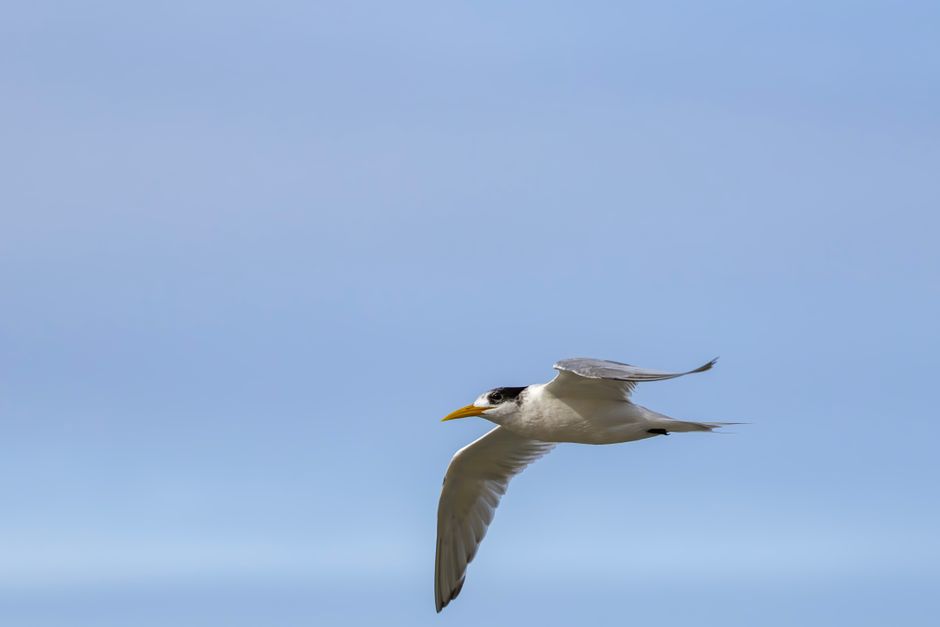
Avian influenza is a viral disease primarily affecting birds, caused by various strains of the influenza A virus that spread through respiratory secretions, saliva, and droppings. In the context of the recent South Australian findings, the virus circulates rapidly within large, dense colonies of seabirds like the greater crested tern. Because these birds congregate in such close proximity, they provide an ideal environment for the pathogen to move from one individual to another through contaminated water or direct contact. When migratory birds interact with local wildlife, the potential for cross-species contamination increases significantly (Source: Department of Agriculture, Fisheries and Forestry, 2026). As the disease establishes itself, the environmental load of the virus rises, making it easier for outbreaks to persist across different coastal regions of Australia. Understanding this mechanism is vital for stakeholders managing conservation efforts across the country.
The transmission process is facilitated by the persistence of the virus in moist, cool environments, which are characteristic of many Australian seabird nesting sites. Wildlife biologists monitor these areas to detect changes in population health, as early intervention is often the only method to mitigate widespread mortality events. When a cluster of deaths occurs, authorities look for specific viral markers that indicate the presence of high-pathogenicity strains. These viruses are particularly concerning because they can lead to rapid onset of illness and death, causing sudden population declines in species that are already under pressure from other ecological stressors. Public land managers often implement access restrictions to reduce the risk of human-led spread into these fragile environments. Protecting these areas ensures that the broader ecological health of our coastal regions remains resilient against infectious disease pressure throughout the coming seasons.
| Factor | Transmission Risk Level |
|---|---|
| Colony Density | High |
| Water Contamination | Moderate to High |
| Migratory Bird Interaction | High |
| Human Disturbance | Low to Moderate |
How do experts detect bird flu cases in Australian animals?
Detection of avian influenza in Australian wildlife relies on a combination of active surveillance by scientists and public reporting of sick or dead birds to state authorities. Experts typically collect biological samples, such as cloacal or oropharyngeal swabs, from deceased or symptomatic animals to conduct polymerase chain reaction (PCR) testing in specialized diagnostic laboratories. This process allows researchers to confirm the presence of the viral genetic material with high accuracy, ensuring that public health responses are based on verified data rather than speculation. Since the detection of the seven suspected cases in South Australia, government agencies have intensified their monitoring efforts, focusing on areas with high concentrations of native seabirds. This systematic approach is essential for mapping the spread of the virus and determining whether the current outbreak poses a broader risk to domestic poultry or other wildlife populations near residential zones.
In addition to laboratory testing, wildlife officers utilize observational data to monitor changes in bird behavior, which often serve as the first warning sign of an emerging health crisis. Sudden spikes in mortality rates within specific colonies trigger an immediate investigation, as seen in the recent regional reports. By analyzing spatial patterns of these incidents, researchers can estimate the direction of transmission and adjust containment strategies accordingly. For instance, if you notice an unusual number of dead seabirds on a beach, you should avoid handling them and instead contact the relevant state wildlife authority to report the sighting safely. Official information regarding current surveillance results is periodically updated on government portals like the Australian Government’s agriculture department website, providing transparency to the public about the evolving biosecurity landscape across our diverse coastal ecosystems.
What are the symptoms of avian influenza in wild birds?
Symptoms of avian influenza in wild birds frequently manifest as neurological impairment, lethargy, and respiratory distress, which often result in rapid death. Birds may exhibit abnormal movements, such as head tilting or an inability to stand or fly, indicating that the virus has affected their central nervous system. In many cases, infected birds appear visibly unwell, showing signs of severe depression or a lack of the typical alertness required to forage or evade predators. Respiratory indicators, including coughing, sneezing, or audible rales (abnormal rattling sounds in the lungs), are common diagnostic signs observed by wildlife professionals during field assessments. Because these birds typically live in tight-knit groups, observing one individual with these symptoms often suggests that others within the colony may also be compromised, necessitating an urgent response from environmental health teams.
Beyond these overt physical signs, infected birds may display rapid changes in their social behavior, such as wandering away from their nesting group or becoming unexpectedly docile. When monitoring wildlife, experts look for these behavioral anomalies as a baseline to determine the severity of an outbreak. It is worth noting that some species may carry the virus without displaying severe illness, which contributes to the silent spread of the disease across coastal migration paths. Consequently, a lack of obvious mass mortality in a specific area does not definitively rule out the presence of the pathogen. If you find birds exhibiting these signs, keep a safe distance and discourage others from approaching, as this minimizes the risk of inadvertently tracking the virus to new locations via footwear or vehicle tires during your outdoor activities.
Why is avian influenza a threat to Australian ecosystems?
Avian influenza is a significant threat to Australian ecosystems because it has the potential to cause high mortality rates in native seabird populations, which are essential components of our coastal biodiversity. When large numbers of birds die due to an outbreak, it disrupts local food webs, affecting the predator-prey dynamics that maintain environmental equilibrium. Furthermore, many Australian bird species are long-lived and have slow reproductive cycles, meaning that a massive die-off can have long-lasting impacts on population recovery. The loss of colony-nesting species also influences nutrient cycling in coastal environments, as guano and other biological inputs are critical for maintaining the health of surrounding vegetation and marine habitats. By destabilizing these populations, the virus forces conservationists to expend limited resources on emergency management rather than proactive restoration projects that support the long-term survival of threatened Australian fauna.
The biosecurity implications extend to Australia’s agricultural sector, where domestic poultry production could face severe disruption if the virus jumps from wild populations to commercial farms. Strict farm-level biosecurity protocols are the primary defense against such a spillover, yet the risk remains ever-present while the virus circulates in wild environments. Protecting the integrity of our native ecosystems is therefore not merely an environmental concern but a major economic necessity. Ongoing research conducted by the Australian Bureau of Statistics and agricultural agencies helps inform the financial impact assessments required to manage these outbreaks efficiently. By preventing the establishment of the disease in wider wildlife populations, Australia can better protect its unique biological heritage and the domestic industries that rely on maintaining a disease-free status for international trade and local food security.
Can humans catch bird flu from infected wildlife?
Human infection with avian influenza from wildlife is extremely rare, but it remains a possibility that requires careful risk management when handling sick or deceased birds. While most strains of the virus are adapted to birds, some variants have shown the capability to transmit to other species, including humans, in cases of prolonged or unprotected contact. This is why public health officials consistently advise against touching wildlife found on beaches or in bushland. The risk is significantly higher for individuals who handle birds as part of their profession or hobby without appropriate personal protective equipment (PPE). By maintaining a clear distance from symptomatic animals and practicing good hygiene, such as washing hands thoroughly after being in coastal areas, members of the public can effectively eliminate the risk of accidental exposure during these periods of heightened environmental concern.
If you believe you have been in contact with an animal that may be suffering from avian influenza, it is important to monitor yourself for flu-like symptoms, such as fever, cough, or sore throat, and seek medical advice if these arise. Healthcare providers in Australia are trained to recognize the signs of zoonotic diseases and can offer guidance on necessary tests if an exposure is suspected. Maintaining awareness of public health alerts ensures that you can take simple, effective precautions to protect yourself and your family. Although the risk to the general public remains low, ignoring warnings to stay away from sick wildlife is the most common cause of unnecessary exposure. Following the guidance of local health authorities is the best way to ensure personal safety while supporting the broader effort to monitor and contain the current avian influenza situation.
What are authorities doing to contain avian influenza in Australian wildlife?
Authorities are currently managing the avian influenza situation by implementing strict surveillance zones, conducting regular diagnostic testing, and increasing public communication efforts to prevent further transmission. In South Australia, where the seven suspected cases were detected, government agencies have restricted access to affected nesting areas to prevent the spread of the virus by human activity. This involves working closely with local stakeholders, park rangers, and wildlife conservation groups to ensure that monitoring data is shared rapidly and that containment protocols are followed consistently. By restricting movement through high-risk environments, authorities aim to isolate the virus within localized populations, thereby preventing it from reaching more vulnerable inland bird colonies. These administrative actions are supported by national biosecurity frameworks designed to coordinate state-level responses effectively during an ongoing animal disease emergency.
Furthermore, national coordination meetings ensure that laboratories are adequately resourced to process samples quickly, allowing for real-time adjustments to biosecurity strategies. Public education campaigns are also central to the containment plan, with officials emphasizing the importance of reporting sightings through official channels. By centralizing the data collection process, authorities can develop a more accurate picture of how the virus is traversing the landscape. For instance, if data shows the virus is spreading along specific migratory corridors, resources can be diverted to proactively monitor those regions before the virus arrives. This structured, science-based response is critical for long-term containment. As the situation evolves, staying updated through official government sources remains the best way for the community to contribute to the overall effort to suppress the spread of avian influenza in Australia.