
What are the main citizenship rights and responsibilities Australian citizens have?
Australian citizenship grants individuals a bundle of legal rights and corresponding responsibilities that distinguish them from permanent residents and non-citizens. Citizens enjoy the right to vote in federal, state, and local elections, hold a valid Australian passport, and access certain government benefits and services without restriction.
Responsibilities include obeying Australian laws, serving on juries when called, and defending Australia in times of national emergency. According to the Department of Home Affairs, there are currently over 26 million Australian citizens, representing approximately 94% of the resident population (Source: ABS). This distinction matters significantly for financial planning and eligibility for social security benefits.
Non-citizens, including permanent residents, cannot vote or hold certain professional positions, such as federal parliament or judiciary roles. For instance, if you’re a skilled migrant on a permanent visa earning $120,000 annually in Sydney, you may access most services but cannot access the Age Pension until meeting additional requirements or obtaining citizenship.
What are the eligibility requirements and processing costs for Australian citizenship?
The eligibility requirements for Australian citizenship involve specific residency thresholds and character assessments designed to ensure commitment to Australia. You must generally be a permanent resident for at least four years, with at least 12 months of that time spent in Australia during the four years preceding application (Source: Department of Home Affairs).
The application fee for citizenship by conferral currently stands at $300 per adult applicant and $115 per child, making it a relatively accessible pathway compared to citizenship programs in other developed nations. Processing times typically range from six to nine months, though this can vary based on individual circumstances and application complexity.
You must also demonstrate adequate knowledge of English and knowledge of Australian society, history, and values. These requirements apply consistently across all Australian states and territories, including NSW. Character requirements mean you must not have serious criminal convictions or pose a security risk.
What are the risks of renouncing citizenship or holding dual citizenship in Australia?
Australia permits dual and multiple citizenship, but renouncing citizenship carries significant financial and legal consequences that deserve careful consideration. Once you renounce your Australian citizenship, you cannot automatically reclaim it—reapplication would require meeting all eligibility requirements from scratch.
From a financial perspective, renouncing citizenship may trigger unexpected tax obligations and loss of access to certain government services and superannuation (retirement savings) protections. The process of renouncing citizenship requires formal application to the Department of Home Affairs and costs approximately $290 in processing fees.
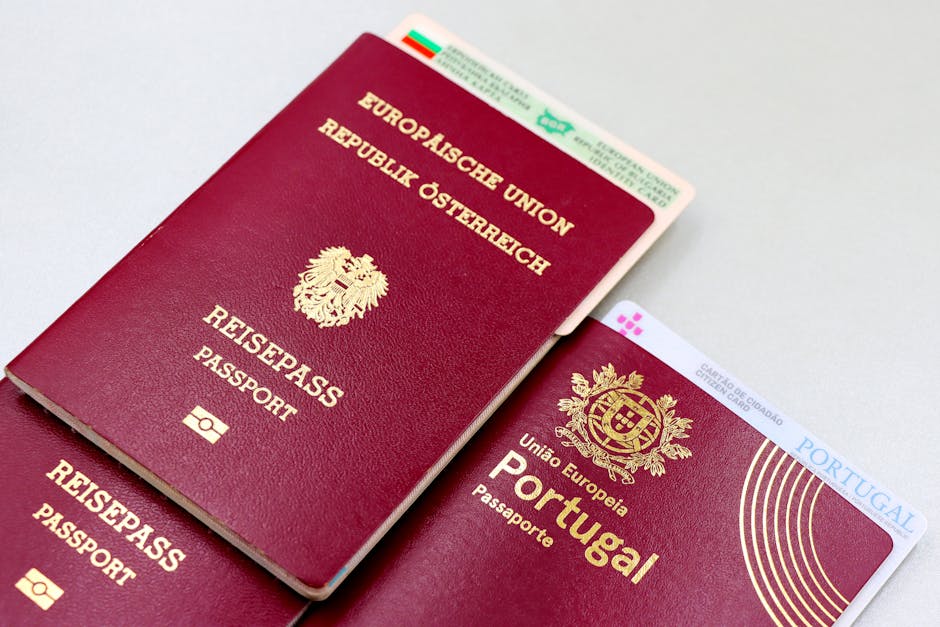
Holding dual citizenship itself isn’t prohibited in Australia, but it can complicate matters if you face legal issues in another country or require consular assistance. Tax residents of Australia may still owe Australian income tax regardless of citizenship status, so dual citizenship doesn’t eliminate financial obligations. Many Australians maintain multiple passports for travel and business flexibility without significant drawbacks.
How do you apply for Australian citizenship and what documents do you need?
The application process for Australian citizenship involves submitting a comprehensive dossier of documents through the Department of Home Affairs online portal or by mail. You must provide evidence of your identity, permanent residency status, Australian residency history, character references, and English language proficiency.
Essential documents include your valid passport, birth certificate, marriage certificate (if applicable), proof of permanent residency, police clearance certificates from all countries you’ve lived in during the past 10 years, and medical examination results confirming you don’t have conditions that would pose public health risks. You’ll also need to complete the citizenship test, which assesses your knowledge of Australia’s history, government, and values—this test has a 65% pass rate requirement.
The Department of Home Affairs recommends using their official application form (citizenship by conferral form) and lodging it with certified copies of all documents. Processing your application carefully and including all required documentation upfront significantly reduces delays and rejection risks, streamlining your path to citizenship status.
Australian citizenship represents a major milestone for migrants and brings tangible benefits, but understanding the financial implications, eligibility pathways, and risks involved is essential. Whether you’re considering applying for citizenship, renouncing it, or maintaining dual status, these decisions have lasting consequences for your tax obligations, voting rights, and access to services. Take time to review the Department of Home Affairs website, consult a migration lawyer if needed, and ensure you’re making an informed decision aligned with your long-term personal and financial goals.