
BanksiaPulse Editorial Team BanksiaPulse covers Australian news and finance with AI-assisted research, cross-checked against ATO, ABS, and official government sources. Published: July 12, 2026
The future of Australian creative industries is at a critical juncture as artificial intelligence companies push for changes to copyright law, sparking significant outrage among artists and creators.
- What are copyright laws and why do artists need them?
- How are AI companies currently using copyrighted material without permission?
- What specific changes to copyright law are AI companies proposing?
- Why are artists and creators so angry about these copyright law changes?
- How does current copyright law protect digital artists and creators?
- What are the risks to creators if copyright laws are weakened?
- What can artists do to protect their work against copyright law changes?
What are copyright laws and why do artists need them?
Copyright laws are the cornerstone of intellectual property protection, granting creators exclusive rights over their original works, such as literary, dramatic, musical, and artistic pieces. These laws are fundamental for artists because they legally prevent others from reproducing, distributing, or adapting their creations without explicit permission, thereby enabling creators to control the commercialisation and use of their work. Without robust copyright protection, artists would struggle to earn a living from their creations, as their work could be freely copied and used by others, diminishing its market value and their incentive to produce new content. This framework ensures that creators are acknowledged and compensated for their efforts, fostering a vibrant and sustainable creative ecosystem. For instance, a musician can prevent unauthorised use of their song in a film, or a painter can stop a company from mass-producing prints of their artwork. The legal framework is vital for maintaining the integrity of creative professions and ensuring fair competition within the Australian cultural landscape. The IP Australia’s guidance on copyright details the legal framework designed to support and protect Australian innovators and creators.

The ability to license their work, whether through sales, royalties, or specific permissions, forms the primary revenue stream for many artists. This income is essential not only for their personal livelihood but also for reinvesting in their craft, acquiring new tools, and continuing to produce the cultural content that enriches society. For digital artists, copyright is particularly crucial in an era where digital content can be copied and disseminated with unprecedented ease. They rely on these laws to assert ownership over their digital paintings, illustrations, and other visual works. The economic impact of copyright infringement can be devastating, leading to lost income and devalued intellectual property. For example, a photographer who discovers their images are being used on commercial websites without licensing fees faces a direct financial loss. Understanding the nuances of copyright is therefore not just a legal formality for artists but a critical aspect of their business and creative survival. The Australian Copyright Council provides extensive resources for creators, highlighting the importance of understanding these protections.
Protecting the rights of creators also has broader economic implications for Australia. A thriving creative sector, bolstered by strong copyright laws, contributes significantly to the national economy through employment, export of creative goods and services, and tourism. It supports industries ranging from film and television to publishing, music, and visual arts. When artists can confidently protect their intellectual property, they are more likely to invest in their careers, leading to innovation and growth. This, in turn, creates jobs and economic opportunities across various related sectors. The perception of Australia as a place that values and protects intellectual property also enhances its attractiveness for international investment in creative and technology sectors. Without these protections, there’s a risk that Australia could become a net importer of creative content, rather than a producer and exporter. Therefore, the debate around copyright law is not merely about the rights of individual artists but about the future economic and cultural prosperity of the nation.
Ultimately, copyright law serves as a vital mechanism for balancing the interests of creators, users, and the public. It encourages the creation and dissemination of knowledge and culture by providing a system of rewards for creators, while also ensuring that the public benefits from access to creative works. For artists, it is the primary tool that allows them to sustain their creative endeavours and contribute meaningfully to Australia’s rich cultural tapestry. The current legal framework, which has evolved over time, aims to strike this balance, but the advent of new technologies, such as generative AI, is challenging long-established principles and prompting calls for reform.
How are AI companies currently using copyrighted material without permission?
Artificial intelligence companies are currently leveraging vast datasets of copyrighted material, often scraped from the internet without explicit permission or licensing, to train their generative AI models. These models learn patterns, styles, and information from this data to produce new content, such as text, images, music, and code. The core of the issue lies in the fact that the AI is trained on works created by human artists and authors, whose intellectual property rights are potentially being infringed during this training process. The scale of data collection is immense, encompassing billions of images and texts, and it is argued by many creators that this constitutes unauthorised use of their copyrighted creations. This practice is seen by many as a form of mass infringement, as the AI is essentially learning from and replicating the styles and content of existing works without attribution or compensation to the original creators. The underlying problem is that the legal frameworks governing copyright were not designed with generative AI in mind, creating a significant grey area. The sheer volume of data involved makes it practically impossible for individual artists to track or enforce their rights against AI developers who are building powerful, profitable tools based on their labour. Many creators feel their intellectual property is being exploited to build systems that will ultimately compete with them, creating a deeply unfair scenario. This is particularly galling when AI-generated content is then used for commercial purposes, generating revenue for AI companies built upon the unpaid work of artists.

The training process involves feeding massive amounts of data into complex algorithms, allowing the AI to identify and internalise the characteristics of existing works. This includes artistic styles, writing techniques, musical compositions, and coding structures. While AI developers might argue this is akin to human learning, critics contend that the scale and commercial nature of the AI’s absorption and subsequent generative output differentiate it significantly from how a human artist might be inspired. For example, an AI image generator trained on thousands of photographs by different photographers could then produce an image in the style of one of those photographers, potentially without any direct reference to a specific original work but informed by the collective output. This process raises questions about whether the AI output is a derivative work or a truly new creation, and whether the training itself constitutes copyright infringement. The economic implications are profound, as AI models can generate content at a speed and scale that human creators cannot match. This can lead to market saturation with AI-generated content, devaluing the work of human artists and potentially reducing demand for their services. Many artists feel that their years of skill development and unique creative vision are being used to build tools that undermine their ability to earn a living. This sentiment is particularly strong among visual artists whose distinct styles are often recognisable and highly valued.
The debate is further complicated by the fact that many AI companies operate globally, making enforcement of national copyright laws challenging. The data used to train these models may be sourced from jurisdictions with different legal interpretations of copyright. This international dimension adds another layer of complexity to the ongoing discussions about how to regulate AI development and ensure fair treatment of creators worldwide. Australian artists and policymakers are keenly aware of these global trends and are seeking to establish clear guidelines that protect local creators while still allowing for technological advancement. The concern is that if Australia does not establish clear rules, its creative industries could be disadvantaged compared to those in countries with more permissive or well-defined AI training data regulations. This can lead to a ‘brain drain’ of creative talent and a decline in the production of original Australian content. The current lack of clear legal precedent means that many AI companies are operating in a space where the legality of their data acquisition practices is being actively challenged, leading to uncertainty for both developers and creators. The sentiment among many artists is that their work is being treated as a free resource to build profitable enterprises, a notion they find deeply unfair and exploitative.
This indiscriminate data collection poses a significant threat to the economic viability of creative professions. When AI can generate content that mimics or replaces the work of human artists, the market for original art, writing, and music can diminish. This creates a future where the value of human creativity might be undermined by machine-generated content that is cheaper and faster to produce. The lack of transparency regarding the specific data used to train many AI models exacerbates these concerns. Creators often have no way of knowing if their work has been used, nor any recourse to seek compensation. This is a deeply unsettling prospect for individuals who have dedicated their lives to honing their skills and developing a unique artistic voice. The call for greater transparency and ethical data sourcing practices is therefore a central demand from the artist community.
What specific changes to copyright law are AI companies proposing?
AI companies are advocating for specific interpretations and potential amendments to copyright law that would facilitate their data acquisition and model training processes, often by arguing for broader exceptions or limitations to existing copyright protections. They propose that the “training” of AI models on copyrighted material should be considered a form of “fair use” or fall under similar exceptions, akin to how a human learns by reading books or viewing art. This would mean that the act of ingesting and processing copyrighted works for the purpose of training an AI system would not constitute copyright infringement. Furthermore, some AI developers are seeking clarity on the copyright status of AI-generated outputs, with a desire for these outputs to be more readily usable and less subject to existing copyright limitations that protect human-created works. They are also pushing for streamlined processes for data licensing, potentially at reduced costs or through collective licensing schemes that could standardise access to vast amounts of creative content for AI development. This includes advocating for a system where permission is not necessarily required on a per-work basis, but rather through broader agreements that cover large datasets. The core argument is that without such accommodations, the development of advanced AI technologies will be stifled by overly restrictive copyright regimes, hindering innovation and economic growth in the digital age. They also often point to the fact that the AI is not directly copying and distributing the original works, but rather learning from them to create something new.

A key proposal from AI industry representatives is the expansion of exceptions to copyright, particularly concerning text and data mining (TDM). They argue that current copyright laws, which often require explicit permission for reproduction of copyrighted works, are ill-suited for the massive scale of data processing involved in AI training. Some are suggesting the introduction of a TDM exception that would legalise the automated analysis of copyright-protected content for research and development purposes, including the development of AI. This exception would typically permit the making of temporary copies of works for the sole purpose of training AI models, without the need for individual licences from copyright holders. This is a contentious point, as many creators believe that TDM for commercial AI development should not be an exception but rather require clear licensing and remuneration. They see it as a way for AI companies to gain access to valuable creative assets without fair compensation. The proposals often aim to create a legal safe harbour for AI developers, protecting them from infringement claims related to the data used in their training sets. This would significantly reduce their operational costs and legal risks, allowing for more rapid development and deployment of AI technologies.
Another area of focus for AI companies is the definition of derivative works and the copyrightability of AI-generated content. They often argue that if AI outputs are substantially transformed from the training data, they should not be considered derivative works that infringe on the original copyrights. Some may even advocate for AI-generated content to be placed in the public domain or to have reduced copyright protection, to encourage further innovation and use of AI technologies. This contrasts sharply with the stance of artists who are concerned that AI could flood the market with derivative content that dilutes the value and uniqueness of human-created art. The legal ambiguity surrounding AI authorship and ownership is a major concern, and AI companies are keen to shape future legislation to their advantage, potentially leading to outcomes where human creators have fewer rights over AI outputs. This could also impact the ability of human artists to license their work when AI can produce similar content for free or at a much lower cost.
The broader economic argument put forth by AI companies is that allowing them unfettered access to data for training will ultimately benefit society through new innovations and economic growth, and that copyright restrictions should not impede this progress. They often frame the issue as a trade-off between protecting individual creators’ rights and fostering technological advancement that could lead to widespread societal benefits. This perspective positions copyright law as a potential barrier to progress, and they are seeking legislative or judicial interpretations that would lower these barriers. The complexity of these proposals means that policymakers in Australia and globally are grappling with how to interpret and adapt existing laws to this new technological landscape, attempting to find a balance that encourages innovation without unduly harming the rights and livelihoods of creators. The current situation is one of significant legal uncertainty, with many AI companies operating on the assumption that their training practices are permissible, while creators are actively challenging this notion.
Why are artists and creators so angry about these copyright law changes?
Artists and creators are profoundly angry about proposed changes to copyright law because they feel these changes fundamentally threaten their livelihoods, devalue their creative labour, and undermine the very concept of intellectual property that has historically supported their professions. The core of their grievance lies in the fact that AI companies propose to use their copyrighted works for training AI models without consent, compensation, or attribution, effectively exploiting their creative output to build profitable technologies. This is seen as a direct appropriation of years of skill development, artistic vision, and hard work. Creators argue that if their work can be freely used to train AI that then produces similar or competing content, they will lose their ability to earn a living, as the market becomes flooded with cheaper, AI-generated alternatives. The emotional toll is immense; it feels like their artistic identity and the value of their craft are being disregarded in favour of technological advancement. This sentiment is particularly strong among visual artists whose unique styles and subject matter are easily identifiable and highly valued, and who see their distinctive contributions being absorbed into AI datasets without recognition. The prospect of AI systems replicating their artistic signatures without any benefit to them is deeply distressing. Many artists feel a sense of betrayal, as the technology they might have once seen as a tool for their own creative enhancement is now perceived as a threat to their very existence as professionals. The feeling is that their artistic labour is being commodified and exploited without their agreement, a situation that many find ethically unacceptable and economically devastating. They believe that if AI companies profit from their creative output, they should also share that profit with the creators whose work made it possible.
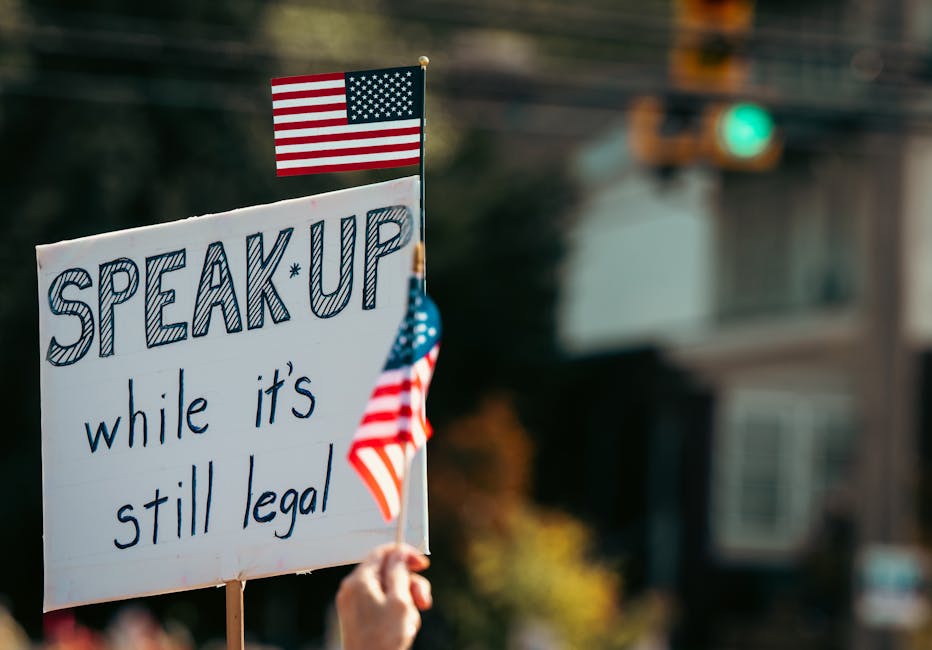
Furthermore, the artists are incensed by the argument that using their work for AI training constitutes “fair use” or a similar exception. They contend that the scale and commercial nature of AI training are fundamentally different from how a human artist learns, where inspiration leads to original creation. When AI models are trained on billions of images or texts, the aggregated use is not merely for personal learning but for the creation of commercial products that directly compete with human creators. This is seen as a misapplication of existing legal doctrines designed for different circumstances. The lack of transparency regarding the specific datasets used by AI companies also fuels their anger. Many creators have no way of knowing if their work has been included in these datasets, and therefore no ability to opt-out or seek recourse. This opacity breeds distrust and a feeling of powerlessness. They are being asked to accept that their intellectual property might be used without their knowledge or consent, a situation that feels inherently unjust. The potential for AI to generate content that is indistinguishable from human-created art further exacerbates this fear, as it could lead to a devaluation of human skill and creativity in the marketplace. The artists are not opposed to AI itself, but to the way it is being developed and deployed at their expense, using their intellectual property as raw material without fair compensation or acknowledgment. This is seen as a fundamental inequity that needs to be addressed through robust legal and ethical frameworks. The current situation feels like a race to the bottom, where the value of human creativity is being eroded by unregulated technological development. The feeling is that their entire artistic careers are at stake.
The backlash is also amplified by the perception that AI companies, often backed by substantial venture capital, are wielding significant influence to lobby for legal changes that favour their business models over the rights of individual creators. Many artists feel that their voices are being drowned out by powerful corporate interests that are shaping the narrative around AI and copyright. The argument that weakening copyright will spur innovation is often met with cynicism, as creators see it as a justification for mass exploitation. They believe that innovation should not come at the expense of the fundamental rights of artists, and that sustainable technological advancement must be built on ethical foundations that respect intellectual property. The proposed changes are seen not as minor adjustments but as a radical overhaul that could fundamentally alter the landscape of creative work in Australia, making it significantly harder for artists to sustain themselves. The anger stems from a deep-seated belief that their work has inherent value and deserves protection, and that proposed legal changes are designed to erode that protection for the benefit of a few large corporations. This is why the artistic community has united in their opposition, using their collective voices to advocate for the preservation of copyright. They are fighting for the recognition and protection of their creative contributions, which they believe are essential to Australia’s cultural fabric.
The emotional weight of this situation cannot be overstated. For many artists, their work is not just a job but a deeply personal expression of their identity and worldview. To see that work potentially exploited and devalued by machines, without their consent or benefit, is not just an economic concern but an existential one. It challenges their sense of purpose and the value they bring to society. The proposed changes are perceived as a fundamental disrespect for the creative process and the human element that drives artistic innovation. This feeling of being undervalued and disrespected is a significant driver of the anger and frustration experienced by artists and creators across Australia. They are fighting for their right to be compensated fairly for their creative contributions, a principle that underpins the entire creative economy and cultural landscape.
How does current copyright law protect digital artists and creators?
Current copyright law in Australia provides significant protection for digital artists and creators by automatically granting them exclusive rights over their original digital works from the moment of creation, without the need for registration. These rights include the exclusive ability to reproduce the work, publish it, communicate it to the public, and create adaptations or derivative works based upon it. This means that a digital artist’s illustrations, graphic designs, digital paintings, and even animated content are protected under the same legal principles as traditional art forms. The law empowers them to take legal action against individuals or entities that reproduce, distribute, or display their digital art without obtaining a licence or explicit permission. For instance, if a company were to use a digital artist’s created image on its website or in its marketing materials without consent, the artist would have grounds to pursue legal remedies, including seeking damages for infringement. The ease of digital reproduction makes copyright protection especially vital in this domain, as unauthorised copying can occur with a few clicks. The law recognises that digital art is a form of creative expression deserving of the same protections as physical art. It is this protection that enables digital artists to commercialise their work through sales, commissions, and licensing agreements, ensuring they can earn a livelihood from their talent and effort. Without these protections, the digital art market would be significantly undermined by rampant unauthorised use, discouraging creators from investing time and resources into developing their digital portfolios. The Australian Copyright Council offers extensive resources explaining these protections in detail for digital creators.

The legal framework also addresses the issue of derivative works, meaning that if someone creates a new work based on a digital artist’s original creation (e.g., modifying an illustration or incorporating it into a larger design), they would typically need permission from the original artist. This prevents others from simply altering an existing digital artwork slightly and claiming it as their own original creation, thereby diluting the value and originality of the initial work. For digital artists, this is crucial as many creative projects involve collaboration or adaptation. The law ensures that the original creator’s rights are respected throughout these processes. Furthermore, copyright law provides remedies for infringement, allowing digital artists to seek injunctions to stop further unauthorised use, as well as financial compensation for any losses incurred due to the infringement. This can include seeking damages for lost profits, the profits made by the infringer, or a statutory amount as determined by the court. The existence of these legal avenues serves as a deterrent against potential infringers and provides a mechanism for redress when infringement occurs. The ability to enforce these rights is paramount for digital artists to maintain control over how their work is used and to ensure they are fairly compensated for its commercial application. The online environment presents unique challenges for enforcement, but the fundamental protections offered by copyright law remain applicable and are actively used by digital creators to safeguard their intellectual property.
The automatic nature of copyright protection under Australian law means that digital artists do not need to go through a formal registration process to secure their rights, which simplifies the protection of their work. However, maintaining clear records of creation, such as dated files, invoices, and communications related to the work, can be beneficial in proving ownership and originality in the event of a dispute. This evidence can be crucial in establishing a clear timeline of creation and demonstrating that the work was indeed original to the artist. While the law protects the expression of an idea rather than the idea itself, this is still a powerful safeguard for digital artists, preventing others from copying their unique visual styles, compositions, and specific artistic choices. The focus remains on the tangible expression of creativity in a digital format, ensuring that the digital realm is not a lawless frontier for intellectual property. The ongoing challenge is ensuring that these existing protections are adequately enforced and adapted to the rapidly evolving digital landscape, particularly in the face of emerging technologies like generative AI. The current legal framework provides a strong foundation, but its effectiveness in new contexts is continually being tested.
Moreover, digital artists can also benefit from various licensing agreements to manage the use of their work. By offering licences, they can grant specific permissions to third parties for particular uses, terms, and durations, often in exchange for payment. This allows them to retain ownership while enabling wider dissemination and commercialisation of their art in a controlled manner. The ability to strategically license their digital creations is a key aspect of their business model, and copyright law provides the essential legal basis for these agreements. It ensures that the terms of any licence are legally binding and enforceable. For example, a digital illustrator might license an image for use on a book cover for a specified period, or a graphic designer might grant a client a licence to use a logo across various marketing materials. This control is invaluable for digital creators seeking to build a sustainable career from their artistic output. The copyright framework ensures that these licensing arrangements are robust and protect the interests of both the creator and the licensee.
What are the risks to creators if copyright laws are weakened?
If copyright laws are weakened, creators, including digital artists, face significant risks to their economic viability and the sustainability of their creative careers. The primary risk is a substantial devaluation of their work, as unauthorised copying and distribution become easier and more widespread without effective legal recourse. This erosion of value can lead to a dramatic decrease in income from commissions, sales, and licensing, making it incredibly difficult for artists to sustain themselves financially. Many artists rely on their copyright-protected output as their sole source of income, and any dilution of these protections directly impacts their ability to pay bills, invest in their craft, and continue producing new work. The current debate around AI training data exemplifies this fear, where artists worry that their work will be used to create AI systems that generate content indistinguishable from human art, at a fraction of the cost, thereby eliminating the market for human-created art. This could lead to a situation where only large corporations with the resources to develop and deploy AI can thrive, while individual creators are pushed out of the market entirely. The economic consequences are not just personal but societal, potentially leading to a decline in the diversity and originality of cultural output if fewer individuals can afford to pursue creative professions. The Australian government’s intellectual property policy acknowledges the importance of a balanced system to foster innovation while protecting creators.
Beyond direct financial impact, weakened copyright laws can stifle creativity and innovation. Artists may become less inclined to invest time and resources into developing original works if they believe their creations will be easily copied and exploited without consequence. This could lead to a chilling effect on artistic experimentation and the production of novel content, ultimately impoverishing Australia’s cultural landscape. The incentive to create is directly tied to the assurance that one’s labour will be protected and that there will be a return on that investment. If that assurance is removed or significantly diminished, the motivation to take creative risks and push artistic boundaries may wane. Furthermore, the ability for artists to control the narrative and context of their work is diminished. Copyright allows creators to dictate how their art is used and to prevent it from being associated with contexts that they do not endorse. Weakened laws could mean their art is used in advertising for products they oppose, or in political campaigns they disagree with, without any ability to intervene. This loss of control over their artistic legacy is a profound concern for many creators. The fear is that their creative identities could be hijacked or misrepresented, impacting their reputation and the integrity of their artistic vision. This erosion of control can be as damaging as the economic implications, affecting an artist’s sense of agency and artistic freedom.
Another significant risk is the potential for AI-generated content, produced through the unauthorised use of copyrighted material, to flood the market, creating an overwhelming volume of content that drowns out human-created works. This could make it harder for emerging artists to gain visibility and establish themselves, as their original creations struggle to compete with the sheer quantity of AI-generated material. The marketplace could become saturated, making it difficult for consumers to discern and value human artistry. This scenario poses a particular threat to niche genres and independent artists who may not have the marketing power to compete with the output of large AI companies. The risk extends to the very definition and appreciation of art; if the market is inundated with machine-generated content, the public’s perception of the value of human skill, emotion, and lived experience in art could be fundamentally altered. This could lead to a cultural shift where originality and human authorship are no longer primary drivers of artistic value. The long-term impact on Australia’s creative industries could be profound, leading to a less diverse and less vibrant cultural ecosystem.
Ultimately, weakened copyright laws would create an uneven playing field, heavily favouring large technology companies over individual creators and small creative businesses. This imbalance of power could lead to a more monopolistic creative landscape, where a few dominant AI platforms control the creation and distribution of content, potentially dictating trends and stifling independent artistic voices. The democratising effect of copyright, which empowers individual creators to participate in the marketplace, would be lost. This would not only harm artists but also reduce the diversity of perspectives and stories available to the public. The ability of artists to build a sustainable career and contribute to cultural discourse is intrinsically linked to the strength of copyright protection. Any reduction in this protection jeopardises the future of creative professions in Australia and the richness of its cultural output.
What can artists do to protect their work against copyright law changes?
While the landscape of copyright law and AI is evolving, artists can take several proactive steps to protect their work and advocate for their rights amidst proposed changes. Firstly, it is crucial for artists to understand their existing copyright protections. In Australia, copyright is automatic upon creation, meaning artists own the rights to their original works the moment they are made. Documenting the creation process, including dated drafts, sketches, and invoices, can serve as valuable evidence of ownership should disputes arise. Artists should also consider using watermarks on digital images shared online, though these are primarily deterrents and can be removed. More formally, while not mandatory for protection, registering works with relevant organisations can provide stronger evidence of ownership and facilitate enforcement, especially for high-value works. Staying informed about legal developments and engaging with artist advocacy groups are also vital strategies. Organisations like the Australian Copyright Council actively lobby for creators’ rights and provide resources to help artists understand their position. By joining these groups or supporting their efforts, artists can amplify their collective voice and influence policy debates. The Australian government’s focus on intellectual property reform highlights the need for creators to be engaged in these discussions. Artists can also explore implementing clear licensing terms for any work they choose to share online or license for commercial use, ensuring that any usage is explicitly permitted and compensated. This proactive approach to licensing can help mitigate unauthorised use and establish clear agreements regarding their intellectual property.

Secondly, artists can strategically manage their online presence and content sharing. While many creators want to share their work widely to gain visibility, they should be mindful of the platforms they use and the terms of service associated with them. Some platforms may claim broad rights to content posted by users, which could inadvertently weaken an artist’s control. Choosing platforms with clear content ownership policies or those that explicitly respect creators’ rights can be beneficial. Artists can also utilise digital rights management (DRM) technologies where appropriate, although these can sometimes be complex and may impact user experience. For digital artists, embedding metadata into their image files that includes copyright information, such as their name and contact details, can help identify ownership and deter infringement. This metadata is often retained even when images are resized or compressed. Furthermore, artists can adopt a proactive stance by explicitly stating their copyright terms on their websites or social media profiles, making it clear that all works are protected and that unauthorised use is prohibited. This clear communication serves as an upfront declaration of their rights and expectations. By being deliberate about how and where they share their work, artists can better safeguard their intellectual property in the digital sphere.
Thirdly, artists should actively participate in the public discourse and advocacy surrounding AI and copyright. This includes engaging with policymakers, contributing to public consultations, and educating the public about the value of human creativity and the importance of copyright protection. Many artists are already vocal on social media, sharing their experiences and concerns, which helps to raise awareness and build support for their cause. Collaborating with other creators to present a united front can significantly amplify their message and influence. By sharing personal stories and the tangible impact that AI-driven copyright erosion could have on their lives and careers, artists can humanise the debate and highlight the real-world consequences of proposed legal changes. Supporting organisations that are actively campaigning for stronger creator rights is also essential. These organisations often have the expertise and resources to effectively lobby governments and engage with industry stakeholders. The collective power of the artistic community, when organised and vocal, can play a crucial role in shaping future copyright legislation. This engagement is not just about protecting their own work but about ensuring a sustainable future for all creative endeavours in Australia.
Finally, artists can explore new business models and revenue streams that are less reliant on traditional copyright enforcement, especially in an AI-driven world. This might include focusing on live performances, workshops, community engagement, or creating unique physical products and experiences that are harder to replicate digitally. Some artists are also exploring direct fan support models, such as through platforms like Patreon, where they can receive ongoing financial contributions from their audience in exchange for exclusive content or access. Building a strong community around their work can create a loyal fan base that values their artistry and is willing to support them directly. While copyright remains a crucial legal tool, diversifying income streams and focusing on building direct relationships with audiences can provide additional layers of financial security and creative freedom. This adaptive approach, combined with robust legal advocacy, offers the most comprehensive strategy for artists to navigate the evolving challenges and protect their creative futures in Australia.