

Fuel Excise Cut: What Australian Households Need to Know
The fuel excise cut, a measure previously implemented following the outbreak of the Iran conflict, concluded at midnight on Monday. At BanksiaPulse, we track how these shifts impact your wallet. According to the latest reports as of August 03, 2026, the removal of this reduction is expected to influence household budgets across Australia. While motorists have relied on these relief measures, the return to standard excise rates represents a notable transition for the national economy. We remain committed to helping you understand these policy changes.
What is the fuel excise cut and how does it work?
The fuel excise cut functions as a temporary reduction in the federal tax rate applied to each litre of petrol and diesel purchased at service stations. By lowering this tax burden, the government aimed to provide immediate financial relief to motorists during periods of heightened international volatility, such as the conflict involving Iran. When the excise is reduced, fuel retailers are technically enabled to lower their pump prices, effectively increasing the disposable income of Australian families who are frequent drivers. It is a fiscal tool designed to dampen the inflationary pressure that sudden spikes in global oil markets often exert on domestic transportation costs. For a typical family in Sydney or Melbourne, even a small reduction in the price per litre can aggregate into significant monthly savings, especially for those commuting long distances for work or school runs. (Source: Treasury.gov.au)
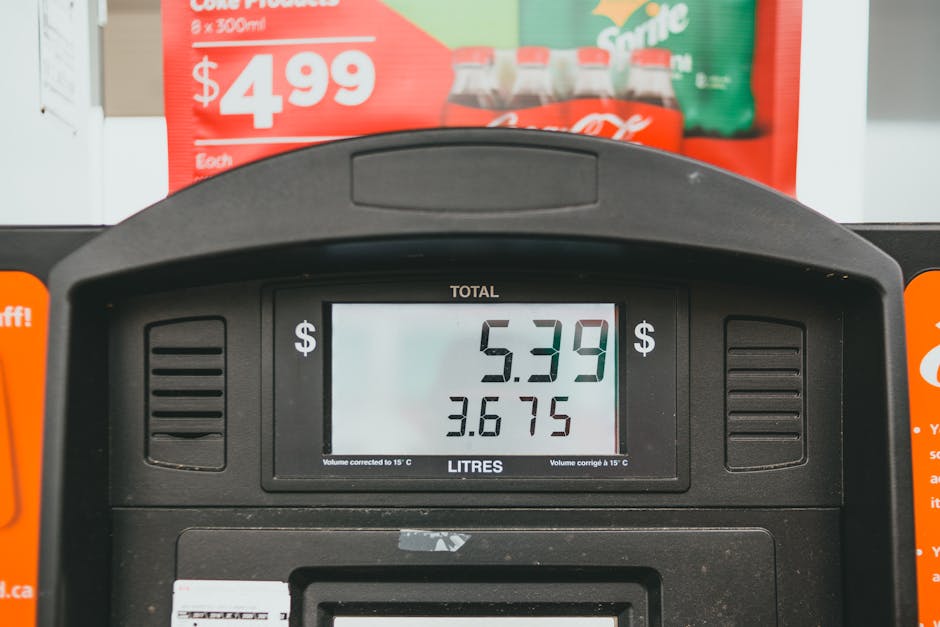
The operational mechanism relies on the Australian Taxation Office (ATO) adjusting the excise liability for petroleum products, which is then reflected through the supply chain. Service station operators adjust their pricing structures to accommodate the reduced tax rate, though the final cost at the pump is ultimately influenced by a range of factors including the global oil price, local competition, and logistics. It is essential to understand that this is not a permanent subsidy but a targeted intervention meant to address specific periods of economic stress. When the government decides to end this period of lower excise, the tax returns to its previously legislated level, which almost always necessitates a price correction at the retail level. Understanding these mechanics is vital for personal budgeting, as it highlights how global geopolitical events have a direct, tangible pathway to the local petrol bowser in your neighbourhood.
When does the fuel excise cut end and what happens next?
The fuel excise cut officially ended at midnight on Monday, signifying a return to standard taxation levels for all petroleum products sold across Australia. Following this expiration, the immediate focus shifts to how retailers recalibrate their pricing to reflect the full excise rate. This transition period is often marked by a noticeable adjustment at the pump as the lower tax incentive is phased out of the daily retail cost calculations. As the market digests this change, motorists can expect fuel prices to stabilise at a level consistent with the new tax environment, coupled with the ongoing fluctuations in the global price of crude oil. The government and regulatory bodies often monitor this specific window to ensure that the transition remains orderly and that retailers do not use the excise reinstatement as an excuse for unjustified price gouging beyond the actual tax change. (Source: ATO’s official guide on tax)
Consumers should be prepared for the reality that the cost of commuting will likely reflect this change in the weeks following the expiration date. It is a period where household finance management becomes particularly relevant, as the sudden removal of a government-funded price buffer can strain the monthly budgets of low-to-middle income households. Families that have structured their finances around the temporary relief will need to re-evaluate their fuel expenditure and possibly look for alternative ways to maintain overall budget balance. While the end of the excise cut may seem like a negative development, it represents the government’s shift toward standard fiscal settings after an emergency period. By staying informed through official updates from the relevant government departments, you can anticipate these changes more effectively and adjust your driving habits or transport choices before the impact hits your bank account at the end of the month.
How much will fuel prices increase after the excise cut expires?
The exact increase in fuel prices following the expiration of the excise cut corresponds directly to the value of the tax reduction that was previously applied to each litre of fuel. While global oil market volatility means that pump prices are rarely static, the reinstatement of the full excise rate adds a predictable, fixed amount to the government’s take per litre. For the average Australian motorist, this translates into a rise that reflects the withdrawal of the temporary discount provided during the conflict-related economic pressure. Because the fuel market is highly competitive, some retailers may absorb a portion of the price hike temporarily to attract customers, while others will pass the full cost of the excise reinstatement on to the consumer immediately. This creates a staggered impact, where some regions may see price increases faster than others depending on local inventory turnover and competitive density.
Consider a household in regional New South Wales that consumes approximately 100 litres of fuel per month for work and school transport. Even a modest change in the excise rate can result in an additional monthly expenditure that requires a shift in discretionary spending. For example, if you are a Sydney-based worker earning a set salary, you might notice that the weekly fuel top-up now costs more than it did during the period of the reduced excise. This is not necessarily due to corporate greed, but the functional result of the tax policy reverting to its statutory base level. It is recommended that households track their average fuel usage over the coming month to identify exactly how the return to full excise impacts their total cost of living. Being proactive about identifying cheaper times to fuel up, such as mid-week or during off-peak cycles, can help mitigate the immediate sting of the price rise.
Why is Treasurer Chalmers targeting service stations over fuel prices?
Treasurer Jim Chalmers and federal regulators are focusing on service stations to ensure that the transition to the full fuel excise rate is handled transparently and does not involve unlawful price exploitation. The primary concern for the Treasury is that the end of the fuel excise cut could be used as a cover for retailers to increase their profit margins beyond what the change in tax necessitates. By maintaining a high-profile surveillance of petrol station pricing, the government sends a clear signal that it expects the market to reflect only the actual change in the tax rate, rather than arbitrary price hikes that burden consumers. This oversight is crucial during periods of economic transition, as it helps to maintain consumer confidence and prevents the perception that fuel retailers are unfairly capitalising on a policy change. The involvement of top-level government officials emphasises the significance of fuel as a fundamental input for the broader Australian economy.
Furthermore, this focus ensures that the competitive nature of the petrol market remains intact during a time of high cost-of-living pressure. When regulators scrutinise pricing behaviour, it discourages anti-competitive practices such as implicit collusion, where multiple stations in an area might raise prices simultaneously without a clear market justification. For the average driver, this means that the authorities are working to ensure the increase you see at the pump is aligned with the legislative change in excise, rather than an inflated margin. It is a necessary intervention to ensure that the burden of the policy shift is shared fairly and that motorists aren’t being exploited during a vulnerable time. By keeping retailers under the spotlight, the government aims to protect households from unnecessary financial stress, reinforcing the role of the state in providing a fair and stable marketplace for essential services.
What is a fuel price watchdog and what powers does it have?
A fuel price watchdog, such as the Australian Competition and Consumer Commission (ACCC), is a regulatory body tasked with monitoring, investigating, and reporting on retail fuel pricing to prevent anti-competitive behaviour and protect consumers. These organisations have the power to collect data on fuel prices, analyse trends, and issue public reports that hold the retail industry accountable for its pricing decisions. If they identify evidence of price gouging or behaviour that violates Australian consumer law, they have the authority to initiate formal investigations, demand information from companies, and potentially pursue legal action against entities that engage in deceptive or uncompetitive practices. Their role is to be the “eyes and ears” of the public in a complex and often opaque retail fuel market, ensuring that the influence of major corporations does not override the rights of the individual motorist.
In the context of the recent expiration of the fuel excise cut, the watchdog’s role is more critical than ever, as they scrutinise whether the tax change is being passed on accurately and fairly. They rely on sophisticated data analytics to distinguish between price changes caused by global oil markets and those driven by retail-level decisions. For example, if they observe that local petrol prices remain elevated long after the excise increase should have been fully incorporated, they can launch inquiries to determine the cause. This process provides a layer of protection for Australians, ensuring that any price increase at the pump is justifiable within the bounds of the law and market economics. By maintaining this scrutiny, the watchdog provides a vital service, giving consumers a degree of transparency that would otherwise be difficult to achieve in such a fragmented and volatile marketplace.
How can consumers find the cheapest petrol prices in their area?
Consumers can find the lowest petrol prices in their area by leveraging government-backed apps and online tools that provide real-time updates on local fuel costs. Most states in Australia now have official fuel price reporting schemes that mandate retailers to update their prices in a central database, which is then accessible to the public through verified websites and mobile applications. By using these resources, you can compare prices between multiple stations in your immediate vicinity before you leave the house, potentially saving several dollars per fill. In addition to these digital tools, paying attention to the typical weekly price cycles—where prices often peak on certain days of the week and drop on others—can lead to significant long-term savings. Integrating these habits into your routine is one of the most effective ways to offset the impact of the end of the fuel excise cut on your household budget.
Consistency is key when it comes to fuel saving; by making a habit of checking prices before you need to fuel up, you avoid the trap of paying the premium prices often found at busy commuter stations or motorway stops. Consider keeping a log or using a tracking app to identify which stations in your suburb are consistently lower-priced over time, as these businesses often use aggressive pricing to build loyalty. For instance, if you are a Sydney resident, identifying the “cheaper” side of town or specific days when retailers compete for market share can be the difference between paying the pump average and securing a better rate. Remember that small decisions, such as opting for a lower-priced station a few kilometres away, can result in meaningful savings over the course of a year, especially when fuel costs are rising across the board. Staying informed and active in your search for value is the best consumer strategy.