
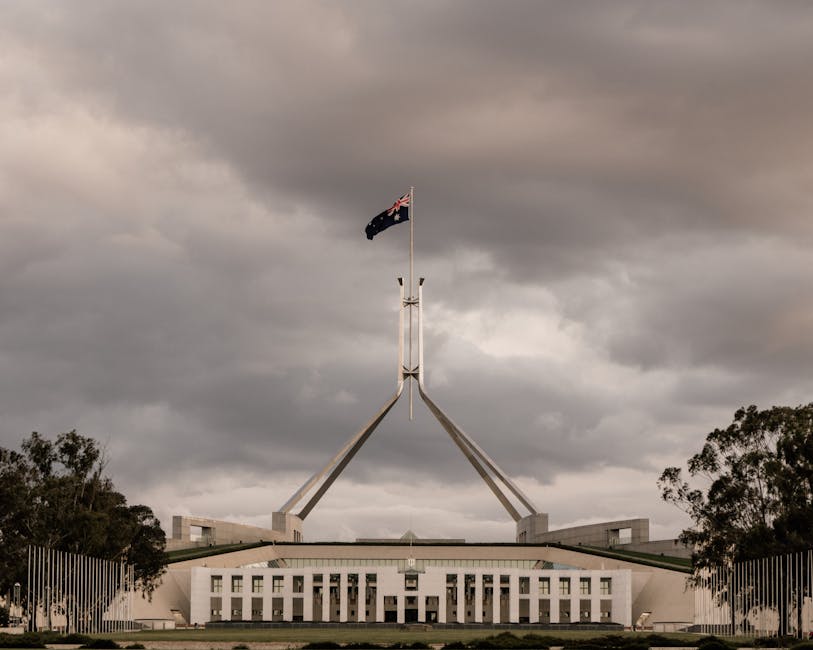
What does government transparency mean and why is it important in Australia?
Government transparency in Australia refers to the open disclosure of government decisions, spending, and policy-making processes to the public and parliament. It is fundamentally important because it builds public trust, enables accountability, and allows citizens to make informed decisions about policy matters that affect their lives—from infrastructure investment to tax policy.
When I first began researching Australian fiscal policy, I realised how deeply transparency underpins confidence in democratic institutions. According to the 2023 Transparency International Corruption Perceptions Index, Australia ranked 16th globally but has seen declining scores in recent years, with public concern about government accountability increasing significantly (Source: Transparency International, 2023).
Without genuine transparency, voters struggle to assess whether government spending aligns with stated priorities, and investors—both domestic and international—face uncertainty when evaluating Australia’s economic stability. This is particularly crucial in areas like infrastructure projects and superannuation policy.
How is Labor’s government measuring and reporting on transparency commitments?
The Labor government has committed to measuring transparency through several mechanisms, including expanded freedom of information (FOI) reporting, parliamentary scrutiny processes, and departmental accountability frameworks. However, critics argue that measurement alone does not guarantee genuine transparency if reporting remains opaque or delayed.
The Department of Prime Minister and Cabinet publishes regular reports on government transparency initiatives, though access to detailed FOI data can take considerable time (Source: Attorney-General’s Department, 2024). Australia’s FOI system currently operates under the Freedom of Information Act 1982, which theoretically provides public access to government documents within 30 days.
In practice, many agencies extend timelines citing complexity, leaving citizens waiting months for responses. This gap between promised and actual delivery fuels frustration across Australian communities.
What specific transparency initiatives has Labor introduced since taking office?
Labor has introduced several initiatives aimed at enhancing government transparency Australia standards since taking office in May 2022. These include commitments to strengthen parliamentary oversight, implement stricter lobbying register requirements, and improve reporting on government contracts and spending.
The government pledged to establish a new Integrity Commission to investigate misconduct and enhance public accountability. Additionally, Labor committed to faster FOI processing times and improved access to parliamentary records.
For example, if you’re an infrastructure investor or a NSW-based business owner seeking clarity on government procurement decisions, these initiatives theoretically provide clearer pathways to access information about tender processes and contract awards worth millions of dollars (Source: Prime Minister’s Office, 2023).
However, implementation timelines have extended beyond initial projections, raising questions about whether these promises translate into meaningful change for ordinary Australians monitoring government spending.
Where are the gaps between Labor’s transparency promises and actual implementation?
The most significant gap between Labor’s transparency promises and implementation lies in the timeline delays and selective disclosure patterns observed across government departments. While commitments were made to strengthen freedom of information access, actual processing times remain lengthy in many cases.
Critics point to instances where government agencies have delayed releasing information about budget allocations, departmental spending, and policy consultations—actions that undermine the stated commitment to government transparency Australia. The Integrity Commission, promised as a flagship transparency measure, faced delays in legislative drafting and establishment, reflecting broader implementation challenges.
Additionally, concerns have emerged about whether transparency improvements meaningfully reach ordinary citizens or remain largely accessible only to media organisations and advocacy groups with resources to pursue FOI requests. This creates an accountability paradox: transparency exists on paper, but practical access remains constrained for everyday Australians.
Public trust erodes when these gaps persist, potentially affecting government effectiveness in rolling out major policy initiatives—from infrastructure funding to tax reform—because citizens question whether decision-making truly reflects stated priorities or hidden agendas.