
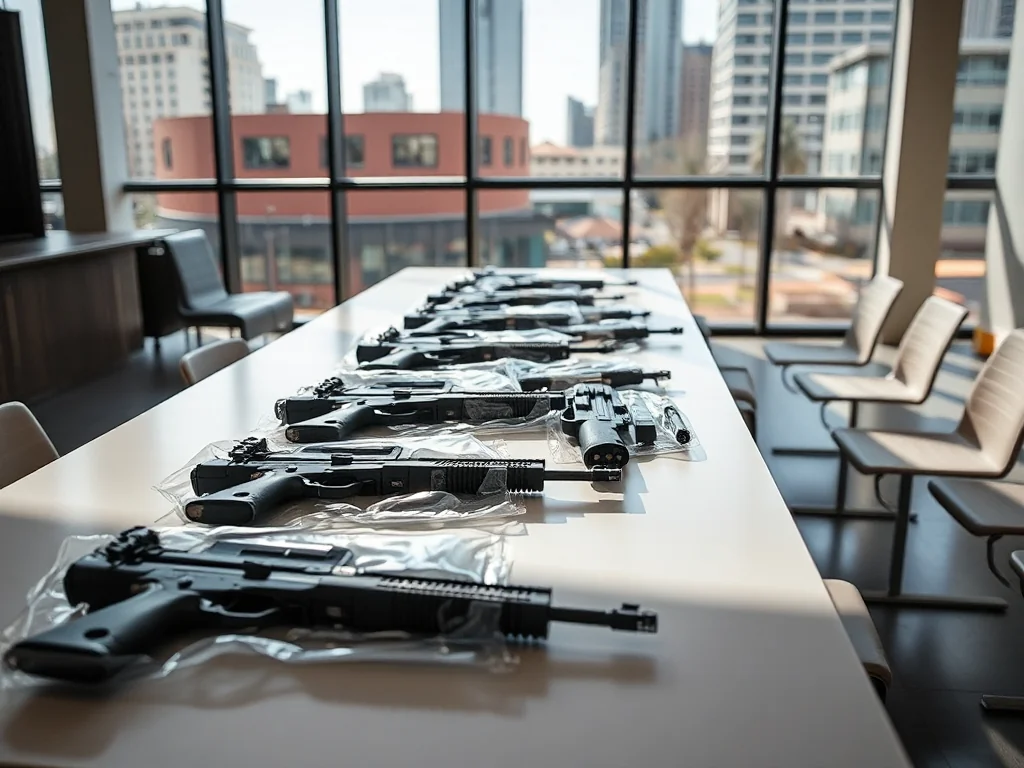
Gun buyback: What you need to know about the new program
The gun buyback program in Australia represents a coordinated effort to reduce firearm availability, with a new phase scheduled to commence on 2 November 2026. BanksiaPulse provides this overview to help you navigate the upcoming changes. According to the latest announcements, the state and commonwealth governments will split the costs of this initiative. Understanding the framework of this policy is essential for citizens staying informed about public safety measures and government-led asset management strategies across the nation.
- What is the NSW gun buyback program and how does it work?
- How much money is the NSW government spending on the gun buyback initiative?
- Who is eligible to participate in the NSW gun buyback scheme?
- What types of firearms are included in the NSW buyback program?
- How do gun owners register and surrender weapons in the NSW buyback?
- What happens to firearms after they’re collected in the NSW buyback program?
- Frequently Asked Questions
What is the NSW gun buyback program and how does it work?
The gun buyback program functions as a structured government intervention designed to remove specific firearms from circulation by providing compensation to current owners. This initiative will be executed in two distinct phases starting from 2 November 2026, ensuring that the process remains methodical for both authorities and the public. By offering a financial incentive for the surrender of weapons, the government aims to reduce the total number of firearms held within the community. This process requires clear communication between the authorities and the public to ensure that every participant understands the legal obligations and the steps involved in surrendering their assets safely and legally. For Australians monitoring these policy shifts, the scheme reflects a ongoing commitment to national safety standards and responsible firearm management protocols that align with broader legislative objectives regarding public security and community well-being.
Operating in two phases allows for a more controlled transition, providing participants with a clearer timeline to assess their holdings and prepare for the surrender process. The coordination between state and commonwealth authorities is a critical component of this plan, ensuring that the logistics of collection and financial disbursement are handled with consistency. Owners are encouraged to remain updated on the official requirements as they are released to ensure full compliance with the law. This structured approach not only facilitates a smoother surrender process but also helps maintain accurate records, which is a vital aspect of firearm regulation in Australia. By focusing on a phased rollout, the government can effectively manage the administrative load associated with such a significant public safety measure, while also providing a dedicated period for owners to come forward without unnecessary confusion or delay in their dealings with the relevant regulatory agencies.
Participating in this program involves several key steps that prioritize safety and legal adherence above all else. Because the program involves the movement and disposal of regulated assets, there are strict protocols governing how individuals must manage their firearms prior to surrender. It is important to note that the Australian Bureau of Statistics often provides context on community safety trends, which helps the public understand the broader implications of such initiatives. If you are a firearm owner, your primary responsibility is to ensure that your interactions with the program are fully documented and comply with the specific directives provided by the authorities during the rollout. This proactive approach helps mitigate risks associated with improper handling and ensures that the buyback meets its intended goals of reducing firearm prevalence while maintaining the highest possible standards of safety for everyone in the community.
How much money is the NSW government spending on the gun buyback initiative?
The financial commitment for the gun buyback is shared between the state and commonwealth governments, though specific total figures are managed within the broader budgetary framework of the participating jurisdictions. By splitting the costs, both levels of government demonstrate a unified approach to funding these essential safety measures. This partnership is designed to ensure that the program remains adequately resourced without placing an undue burden on a single source of public funding. As of August 17, 2026, the collaboration remains a focal point of the policy, highlighting the importance of shared governance in managing large-scale national security and public safety initiatives. Taxpayers and interested citizens can monitor the official budget papers for the most accurate and up-to-date information regarding the total expenditure allocated to this initiative, ensuring transparency as the program progresses through its two phases following the November commencement date.
Effective financial management is a hallmark of Australian government policy, and this buyback is no exception to that standard. The division of fiscal responsibilities between the state and the commonwealth serves as a mechanism to balance the operational requirements of local collection with the strategic oversight of the national government. This model of cost-sharing allows for a more robust program, as it combines the localized operational capabilities of the state with the broader financial backing of the commonwealth. This structure is consistent with how many large-scale infrastructure and policy projects are funded across the country. By utilizing these existing fiscal channels, the authorities can streamline the disbursement process for those eligible for compensation, ensuring that funds are managed efficiently while maintaining strict accountability for every dollar spent throughout the duration of the buyback period starting in November 2026.
Understanding the economic dimensions of this initiative is important for those assessing the impact of government spending on public safety. The allocation of funds is not just a cost, but an investment aimed at achieving tangible security outcomes for the population. By pooling resources, the government aims to maximize the reach and effectiveness of the buyback, ensuring that it provides a meaningful option for owners while adhering to stringent financial controls. For those interested in the details of these financial arrangements, consulting official government resources regarding public sector expenditure can offer valuable insights into how these programs are funded and accounted for in the national budget. This transparency helps maintain public trust and ensures that the financial logistics of the gun buyback remain clear to all stakeholders involved in the process during the upcoming phases of implementation.
Who is eligible to participate in the NSW gun buyback scheme?
Eligibility for the gun buyback scheme is generally determined by existing firearm registration status and legal ownership criteria established under current Australian laws. To participate, individuals must typically be the registered owner of a firearm that falls within the scope of the program’s defined categories. Ensuring that your registration records are current is a foundational step for anyone considering participation, as the system relies on these records to verify ownership and process compensation claims accurately. Following the official guidelines issued by the relevant regulatory bodies is essential to establish your eligibility and ensure a smooth experience when the program phases begin in November. Potential participants should review their documentation now to ensure everything is in order, as this will prevent delays when the collection process officially commences across the state.
The criteria for participation are designed to ensure that the buyback is focused on legitimate owners who wish to dispose of their firearms through an official, regulated channel. This helps to prevent unauthorized or illegal firearms from entering the system while providing a straightforward path for those who hold legal registrations but are no longer using or wishing to retain their weapons. It is important to remember that each phase of the program may have specific instructions for different types of owners or equipment, so staying informed via official channels is highly recommended. By maintaining a clear focus on registered owners, the government creates a secure environment for the surrender process, minimizing the potential for errors or security breaches during the transition period. This approach is standard practice for maintaining the integrity of weapon regulation systems across various Australian jurisdictions.
For those who may be unsure of their status, it is always best to verify your registration details through the appropriate official contact points as of August 17, 2026. If you have recently changed your address or other personal details, updating these with the authorities is a critical part of your duty as a firearm owner. This proactive management not only facilitates participation in the buyback but also keeps you in compliance with ongoing state regulations regarding firearm storage and licensing. By ensuring that all records are accurate, you protect yourself from potential legal complications and ensure that your experience with the buyback process is as efficient as possible. The government remains committed to providing clear instructions to the public, and checking the relevant government website will provide you with the most current information regarding eligibility requirements and the necessary steps for surrendering your firearms.
What types of firearms are included in the NSW buyback program?
The types of firearms included in the buyback program are determined by the specific criteria released by the authorities, which categorize weapons eligible for collection based on their classification and legislative status. These details are crucial for owners to understand, as they dictate which items can be surrendered for compensation during the program. As the government transitions into the implementation phases starting in November, the list of eligible items will be clarified further to ensure that owners have the necessary information to make informed decisions. It is expected that the categories will prioritize items that align with the program’s objectives of reducing overall firearm density in the community. Owners should carefully check the official guidelines as they are updated to confirm whether the firearms they possess are eligible for the buyback under the current rules.
Classifying firearms for the purposes of a buyback involves a rigorous review process by subject matter experts to ensure that only the intended items are included. This process is essential for meeting the safety goals of the initiative, as it ensures that the most relevant equipment is removed from circulation. The classification system is built on established legal frameworks that define how various types of firearms are treated within the state, providing a consistent standard for participation. Owners can expect detailed information regarding these classifications through the official government portal, which will serve as the primary resource for program participants. By providing a clear and comprehensive list of eligible items, the government enables owners to identify their assets quickly and understand how the buyback program applies to their specific situation as it unfolds in the coming months.
Should you be in possession of multiple types of firearms, it is important to review the eligibility criteria for each piece individually. Not all items may fall under the same classification or qualify for the same level of compensation. Taking the time to inventory your collection in line with the official guidelines is a recommended step for any responsible owner. For instance, if you own several different models, you must verify the specific status of each one against the program’s published list. This level of diligence ensures that you are fully prepared when the collection begins and that you avoid any confusion or conflict during the surrender process. By following the official criteria provided by the government, you can navigate the buyback process with confidence, ensuring that your participation is both legal and effective in supporting the overarching goals of the initiative.
How do gun owners register and surrender weapons in the NSW buyback?
Registering and surrendering weapons involves a highly secure process designed to verify ownership and ensure the safe transfer of firearms to official collection points. Once the program enters its first phase on 2 November 2026, owners will be provided with specific procedures to follow, which likely include pre-booking appointments or attending designated locations. This process is designed to ensure that every handover is conducted under controlled conditions, prioritizing the safety of the public and the personnel involved. By following the established surrender protocols, owners ensure that their weapons are processed correctly and that they receive the appropriate compensation as outlined by the program. It is essential to monitor official announcements for the exact dates and locations as they are released, as these details will be critical for a successful and legal handover of any registered items.
The surrender procedure is not just a logistical task; it is a legal requirement that must be handled with care to maintain the security of the asset during transport. Owners should ensure they have all necessary paperwork, including identification and registration documents, ready before they arrive at any designated collection site. Failure to provide the correct documentation could result in delays or the inability to complete the surrender on the scheduled day. By preparing these documents in advance, you help the authorities process your case quickly, which is beneficial for everyone involved. The government typically provides checklists for these requirements, which should be reviewed thoroughly by any participant. Adhering to these instructions is the best way to ensure that your interaction with the authorities is productive and follows all required safety and legal standards for firearm disposal.
When you are ready to surrender a weapon, the process will generally involve a verification stage where the firearm is checked against the registration records to confirm its eligibility and current status. This ensures that the compensation is issued to the rightful owner and that the firearm is removed from the registry correctly. This verification step is a standard part of the process and helps maintain the integrity of the state’s database. If you have any questions about how to transport your firearm safely to a collection site, these will be addressed in the official guidelines provided by the government as the program launches. Remember that the priority is always safety, and you should always follow the specific transit instructions given to you at the time of your appointment to avoid any accidental exposure or security risks during the transport phase.
What happens to firearms after they’re collected in the NSW buyback program?
After being collected by the authorities, firearms are securely managed and eventually subjected to disposal processes that prevent them from ever re-entering the public domain. This final phase of the buyback is essential for achieving the long-term safety benefits of the initiative, as it guarantees the permanent removal of these assets. The chain of custody for surrendered firearms is strictly controlled from the moment they are handed over until they reach their final destination for destruction. This process is documented at every stage, providing accountability and ensuring that the public can have full confidence in the program’s outcomes. By implementing these rigorous disposal standards, the government reinforces its commitment to community security and the efficacy of the entire buyback operation, providing a clear end-to-end management cycle for all surrendered items.
The destruction of firearms is conducted according to strict environmental and safety regulations to ensure that no harmful materials or components remain that could be repurposed. This involves industrial-scale processes that render the firearms completely unusable, often involving melting or shredding the materials. These methods are chosen for their reliability and their ability to provide verifiable evidence that the item has been destroyed. For the public, this knowledge provides peace of mind that the government’s approach to reducing firearm prevalence is thorough and lasting. The transparency of this disposal phase is a critical component of the program’s overall public communication strategy, as it demonstrates that the effort is truly focused on the permanent reduction of firearm numbers throughout the state and the nation as a whole.
Understanding the final lifecycle of a firearm within this program helps to clarify why such measures are implemented in the first place. The goal is to create a safer environment by systematically removing regulated items, and the destruction process is the ultimate realization of that goal. By ensuring that surrendered weapons are disposed of permanently, the authorities close the loop on the program, providing a definitive conclusion for the owners who have participated and for the community at large. As the program progresses through its two phases starting in November 2026, the continued commitment to these secure disposal procedures will remain a central pillar of the initiative’s success. For any citizen, this level of rigor is a reassuring sign that public safety remains a priority, and that the resources dedicated to the gun buyback are being used to create long-term positive change.