

BanksiaPulse Editorial Team For more information, visit the Australian Department of Health. BanksiaPulse covers Australian news and finance with AI-assisted research, cross-checked against ATO, ABS, and official government sources. Published: July 11, 2026
Avian Flu in Australian Wildlife: What it Means for Public Health and Agriculture
The growing detection of avian flu in Australian wildlife presents a serious public health concern, necessitating a comprehensive understanding of its spread, risks, and preventative measures. BanksiaPulse is dedicated to providing clarity on these evolving health landscapes. While the provided source material does not detail specific Australian wildlife detections, it highlights the virus’s global progression and its capacity to infect mammals, a critical factor for public health officials. Understanding the potential transmission pathways and implementing robust biosecurity protocols are paramount for safeguarding both human populations and the nation’s vital agricultural sector. This analysis aims to inform Australians about the current situation and the necessary precautions.
- What is avian flu and how does it spread in Australian wildlife?
- How can avian flu affect human health in Australia?
- What are the main risks of avian flu for the Australian agricultural industry?
- How do farmers and health authorities detect avian flu in birds?
- What preventative measures can protect public health from avian flu exposure?
- What are the economic costs of avian flu outbreaks to Australian agriculture?
- What should Australians do if they encounter sick or dead birds during an avian flu outbreak?
What is avian flu and how does it spread in Australian wildlife?
Avian influenza, commonly known as bird flu, is a viral disease that primarily affects birds. The virus, classified as H5N1 or avian influenza virus, has demonstrated a significant capacity for genetic mutation, enabling it to jump species barriers and infect a broader range of mammals beyond its typical avian hosts. This mutation capability is a key driver of its global spread, posing an escalating public health threat. While the provided source article does not specify the timeline or exact locations of bird flu in Australian wildlife, it notes a first bird flu infection in a wild bird in the United States since 2016 and its first mammalian detection in the United States. Such an occurrence in Australia would signal a critical development, indicating the virus’s adaptation to new environments and hosts within the local ecosystem. The spread typically occurs through direct contact with infected birds, their droppings, nasal secretions, or contaminated environments like water sources or surfaces. Wild birds, particularly migratory waterfowl, often act as natural reservoirs for the virus, capable of carrying and spreading it over long distances without showing symptoms. This natural behaviour poses a significant challenge for containment efforts in any region, including Australia, as the virus can be introduced and disseminated across vast geographical areas through these mobile carriers, impacting both wild bird populations and potentially domestic poultry and other susceptible mammals.

The transmission pathways are diverse and can involve direct contact with infected birds, their faeces, or respiratory secretions. In aquatic environments, contaminated water can also serve as a vehicle for the virus. For instance, a flock of wild ducks may unknowingly ingest or come into contact with the virus in a wetland area, subsequently shedding it in their droppings. These droppings can then contaminate water bodies, directly exposing other birds or mammals that drink from or inhabit these areas. Furthermore, airborne transmission over short distances can occur, especially in densely populated bird habitats or poultry farms. The resilience of the virus in the environment is another factor; it can survive for varying periods on surfaces, in water, and in faeces, depending on temperature and humidity. This environmental persistence means that even indirect contact with contaminated materials can lead to infection. The genetic mutability of H5N1 strains, as observed globally, means that new variants can emerge, potentially increasing their transmissibility among different species, including mammals, which requires constant vigilance and updated surveillance strategies by authorities like Biosecurity Australia and state agriculture departments to monitor for these shifts and their potential implications for the wider ecosystem and human health.
The implications of avian flu spreading through Australian wildlife are substantial, extending beyond the immediate animal populations to broader ecological and economic concerns. The increased frequency of detection in wild birds, such as the identification in Arizona in the United States in June 2022, serves as a stark reminder of the virus’s ongoing circulation. If similar detections were to occur with greater frequency or in new species within Australia, it would necessitate enhanced monitoring and response protocols. This includes expanded surveillance programs to track the virus’s movement and genetic evolution. Public health advisories would likely be updated, potentially recommending increased caution for individuals who have close contact with wild birds, such as bird watchers, farmers, and those involved in wildlife rehabilitation. Economically, a significant outbreak in wildlife could trigger costly preventative measures, including culling operations in affected wild bird populations if deemed necessary, and heightened biosecurity on farms to prevent spillover into commercial poultry and livestock, which could disrupt supply chains and impact export markets, underscoring the interconnectedness of wildlife health, public health, and agricultural prosperity in Australia.
How can avian flu affect human health in Australia?
While human infections with avian flu are rare, they can be severe and have a high mortality rate, making the detection of the virus in any population a significant concern for public health. The primary route of human transmission occurs through close, prolonged contact with infected birds or their contaminated environments. This could involve direct handling of sick or dead birds, working in poultry farms where the virus is present, or exposure to environments heavily contaminated with avian faeces. Symptoms in humans can range from mild flu-like illnesses, such as fever, cough, sore throat, and muscle aches, to severe respiratory disease, pneumonia, and acute respiratory distress syndrome (ARDS). In some cases, neurological or gastrointestinal symptoms may also manifest. Given Australia’s robust biosecurity measures and the general rarity of zoonotic (animal-to-human) transmission for most strains, the immediate risk to the general Australian public remains relatively low. However, the capacity of H5N1 to evolve and potentially gain enhanced transmissibility to humans, as indicated by its spread and mutation in wild birds and mammals globally, warrants continuous monitoring and preparedness.

The potential for a pandemic threat hinges on the virus acquiring the ability to spread efficiently from person to person. Currently, this capability is limited or absent in most H5N1 strains. However, genetic reassortment events, where the virus’s genetic material mixes with that of human influenza viruses, could theoretically lead to the emergence of a novel strain with human-to-human transmissibility. This scenario is precisely why global surveillance networks, including those coordinated by the World Health Organization and national health agencies like the Australian Department of Health and Aged Care, are so critical. They monitor for any such genetic shifts and investigate any human cases that arise. For Australians, the key message remains one of caution and awareness, particularly for individuals in high-risk occupations. Practising good hygiene, such as thorough handwashing after contact with animals or animal environments, and avoiding contact with sick or dead birds, are fundamental preventive steps. While the source article does not provide Australian-specific human case data, the global context of H5N1 evolution underscores the importance of Australia’s preparedness strategies, which include vaccination research and antiviral stockpiling, to mitigate the impact should a human-to-human transmissible strain emerge.
It’s vital for Australians to understand that while the risk of direct human infection from wild birds is low, the potential for wider impact through livestock or indirect environmental exposure exists. For individuals working closely with animals, whether in agricultural settings, veterinary practices, or wildlife care, the adoption of stringent personal protective equipment (PPE) protocols is non-negotiable. This includes wearing gloves, masks, and eye protection when there is a risk of exposure to avian bodily fluids. Furthermore, reporting any unusual disease incidents or significant die-offs in bird populations to the relevant authorities is a crucial community responsibility. Early detection and reporting can significantly aid in containing outbreaks before they escalate. The economic and social disruption that a significant human outbreak could cause is immense, thus reinforcing the importance of ongoing public health vigilance and the diligent application of preventive measures by both the public and relevant industries. The Australian government’s investment in pandemic preparedness, including research into diagnostics and therapeutics, reflects a commitment to addressing these potential threats proactively.
What are the main risks of avian flu for the Australian agricultural industry?
The Australian agricultural industry, particularly the poultry sector, faces significant risks from avian flu outbreaks, including severe economic losses, trade disruptions, and the potential for widespread disease spread that could necessitate costly containment measures. The source article highlights the first confirmed cases of bird flu infection in dairy cattle from Kansas and Texas in the United States, a significant development indicating the virus’s expanding host range beyond birds. This has direct implications for Australia’s diverse agricultural landscape, where such cross-species transmission could affect not only poultry but also other livestock industries. An outbreak in commercial poultry farms can lead to rapid die-offs, rendering entire flocks unsaleable and requiring immediate culling to prevent further spread, a process that is both economically devastating and emotionally taxing for farmers. The financial impact of an outbreak extends beyond the loss of birds, encompassing the costs of depopulation, disposal, disinfection, and restocking, which can run into millions of dollars.
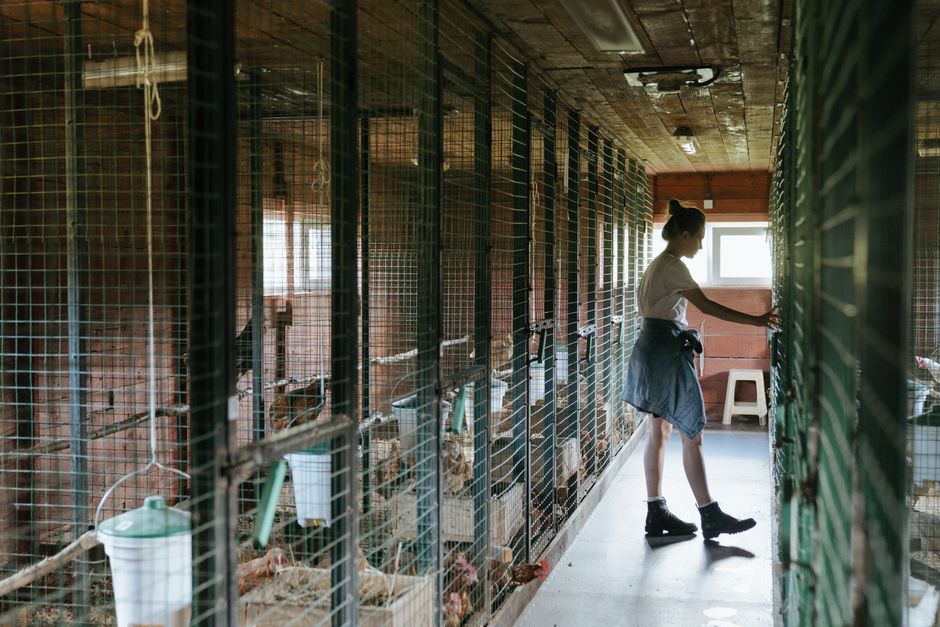
Beyond direct losses, avian flu poses a substantial threat to Australia’s international trade relationships. Many countries have strict import regulations based on disease-free status. A confirmed outbreak in Australian poultry can lead to immediate import bans from key trading partners, severely impacting export markets and reducing national agricultural revenue. Rebuilding market confidence and regaining access after an outbreak can take years. The industry’s reputation for producing safe, high-quality products is also at stake. Furthermore, the continuous genetic evolution of the virus means that new strains could emerge, potentially evading existing biosecurity measures and requiring rapid adaptation of control strategies. The detection of bird flu in dairy cattle, as noted in the source article, introduces a new layer of complexity, suggesting that biosecurity protocols may need to be reviewed and potentially expanded to cover a wider array of livestock species. This cross-species transmission risk necessitates a ‘One Health’ approach, integrating animal, human, and environmental health perspectives to effectively manage the threat and protect the long-term viability of Australia’s agricultural sector, which is a cornerstone of the national economy and food security.
Biosecurity measures on farms are the first line of defence against avian flu. These include strict controls on people and vehicle movements, hygiene protocols for staff, and measures to prevent contact between domestic birds and wild birds, such as netting and secure housing. For example, a free-range poultry farm in NSW would need to implement rigorous exclusion zones around its facilities to prevent wild birds from accessing feed and water sources, which are known pathways for viral transmission. The detection of bird flu in wild birds, as reported in Arizona in the United States in June 2022, serves as a constant reminder of the need for heightened vigilance even in areas not directly affected by commercial farming. The Australian government, through bodies like Animal Health Australia, works with industry to develop and implement comprehensive biosecurity plans and emergency response strategies. These plans outline the steps to be taken in the event of an outbreak, including disease investigation, surveillance, control zones, and communication protocols. The economic cost of an outbreak can be immense, with estimates for large-scale poultry incidents often reaching tens of millions of dollars when considering direct losses, control measures, and trade impacts. Therefore, consistent investment in and adherence to biosecurity is crucial for the resilience of Australian agriculture.
How do farmers and health authorities detect avian flu in birds?
Detecting avian flu in birds is a multi-faceted process involving active surveillance by farmers and rigorous diagnostic testing by health authorities. Farmers play a crucial role by being the first line of detection, observing their flocks for any unusual signs of illness or mortality. Sudden increases in the number of sick or dead birds, a significant drop in egg production in laying hens, or signs of respiratory distress like gasping or coughing are all red flags. These observations trigger immediate reporting to state or territory veterinary authorities. Health authorities, such as state Departments of Primary Industries or Agriculture, then initiate rapid response protocols. This typically involves dispatching veterinary officers to the affected farm to conduct a thorough investigation, collect samples from sick and dead birds, and establish preliminary control measures, like movement restrictions for the farm, to prevent further spread while testing is underway.
Additional resources are available at the MoneySmart health insurance guide.
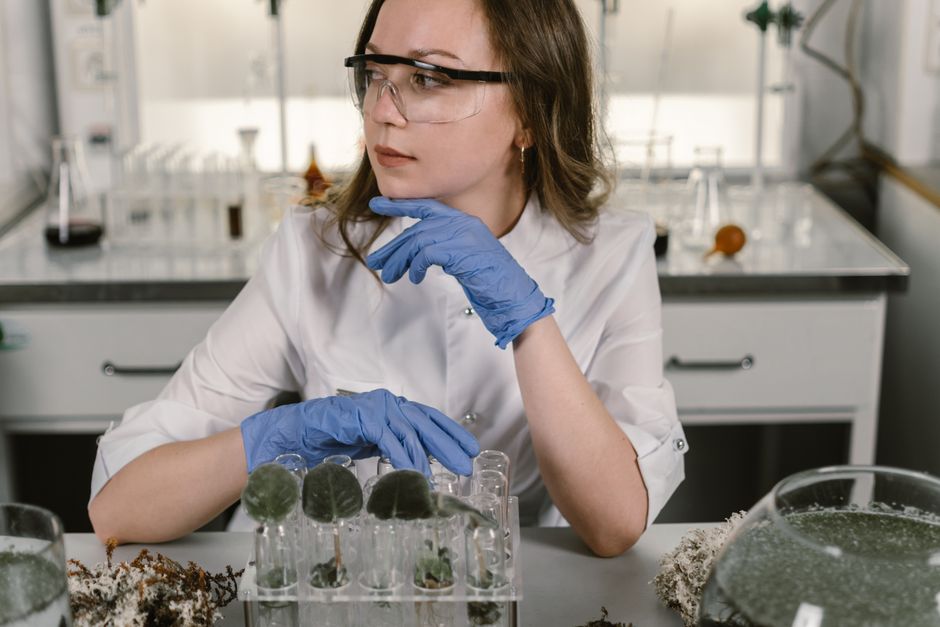
The collected samples, which can include swabs from the trachea and cloaca (a common opening for the intestinal, urinary, and reproductive tracts), organ tissues, or blood, are then sent to accredited government laboratories. These laboratories employ sophisticated diagnostic techniques to confirm the presence of the avian influenza virus. The primary tests include Polymerase Chain Reaction (PCR) assays, which detect the virus’s genetic material, and virus isolation, where the virus is cultured in a laboratory setting to confirm its identity and subtype. Serological tests, which detect antibodies produced by birds in response to infection, are also used, particularly in surveillance programs to determine if a flock has been exposed to the virus in the past. The rapid and accurate identification of the specific strain of avian influenza is critical, as different strains can have varying levels of pathogenicity (ability to cause disease) and zoonotic potential. For instance, highly pathogenic avian influenza (HPAI) strains, such as H5N1, are of greatest concern due to their high mortality rates in birds and potential for human infection. The detection of a novel strain like B3.13 in dairy cattle in Texas and Michigan in the United States in early 2024 underscores the need for constant genomic surveillance to track viral evolution and host adaptation. This comprehensive approach, combining farmer vigilance with expert laboratory analysis, is essential for early detection and effective control of avian flu outbreaks in Australia.
Surveillance programs are not limited to symptomatic birds; they also involve ongoing monitoring of wild bird populations, especially migratory species that can act as asymptomatic carriers of the virus. This proactive approach aims to detect the virus before it can infect commercial flocks. Environmental sampling of water bodies or soil in high-risk areas can also be conducted. For example, if there’s a known migratory flyway passing over a sensitive agricultural region in NSW, authorities might conduct regular sampling of waterfowl in local wetlands. The Australian Centre for Disease Preparedness (ACDP), part of CSIRO, plays a vital role in national research and diagnostic capabilities for animal diseases, including avian influenza, providing advanced testing services and expertise. The data generated from these detection efforts informs risk assessments, policy development, and the implementation of targeted biosecurity measures across the country, ensuring a coordinated national response to protect both animal health and public well-being. The early identification of disease is fundamental to minimizing its impact, and this collaborative effort between industry and government is paramount.
What preventative measures can protect public health from avian flu exposure?
Protecting public health from avian flu exposure in Australia primarily relies on a combination of robust biosecurity measures in agricultural settings, diligent hygiene practices for the general public, and heightened awareness among at-risk groups. The most crucial preventative measure is to avoid direct contact with sick or dead birds, whether they are wild or domestic. If you encounter a dead or visibly unwell bird, especially in significant numbers, it’s imperative not to touch it and to report it to the relevant state or territory wildlife authority or agriculture department. This allows trained professionals to investigate and handle the situation safely. For individuals working with poultry or involved in animal husbandry, adherence to strict biosecurity protocols is paramount. This includes wearing appropriate personal protective equipment (PPE) such as gloves, masks, and eye protection when handling birds or their environments, and practicing regular hand hygiene with soap and water or alcohol-based hand sanitisers. This principle was highlighted by the early detection of bird flu in dairy cattle in the US, emphasizing the need for vigilance across different animal sectors.

At a broader public health level, vaccination remains a key strategy, although for avian flu in humans, there isn’t a readily available vaccine for general public use as it is for seasonal influenza. However, research and development of human vaccines against pandemic influenza strains, including potential avian flu threats, are ongoing. Antiviral medications, such as oseltamivir (Tamiflu), are also stockpiled by governments worldwide, including Australia, as a critical tool for treating human cases of avian flu and potentially preventing spread during an outbreak. Public health campaigns play a vital role in educating the community about the risks and preventative actions, particularly during periods of heightened surveillance or confirmed detections in wildlife. For instance, a health alert might be issued for specific regions if bird flu is detected in local wild bird populations, advising residents to be extra cautious. Understanding that proper cooking of poultry products and eggs to an internal temperature of at least 74°C (165°F) renders the virus inactive is another important food safety measure that reduces the risk of infection through contaminated food, though this is a less common transmission route compared to direct bird contact. The Australian government’s commitment to a ‘One Health’ approach, recognising the interconnectedness of human, animal, and environmental health, underpins these multifaceted preventative strategies, aiming to build resilience against zoonotic diseases.
Engaging in safe practices when visiting farms or wildlife parks is also important. Many tourist attractions in Australia, such as wildlife sanctuaries in Queensland or farm visits in Victoria, have biosecurity measures in place. Visitors should always follow the signage and instructions provided by staff, which often include handwashing stations and restrictions on touching animals. If a person develops flu-like symptoms after potential exposure to birds, seeking medical advice promptly and informing the healthcare provider about the exposure history is crucial for accurate diagnosis and treatment. The early reporting of unusual bird mortality events, such as the first detection of bird flu virus in wild birds in Arizona in the United States in June 2022, is not just an agricultural concern but a public health imperative. These reports feed into national surveillance systems that monitor the evolving threat landscape and inform public health responses. The Australian Department of Health and Aged Care provides ongoing updates and guidance on communicable diseases, including avian influenza, and it is advisable for Australians to stay informed through official government channels. These preventative measures, from individual hygiene to national surveillance, form a critical defence against the potential public health impacts of avian flu.
What are the economic costs of avian flu outbreaks to Australian agriculture?
The economic repercussions of avian flu outbreaks on Australian agriculture can be substantial and far-reaching, impacting not only direct producers but also entire supply chains and international trade. While the provided source material focuses on detections in the US, it highlights the significant economic consequences that arise from such events. For the Australian poultry industry, an outbreak can lead to immediate and devastating losses. Infected flocks often require culling to prevent further spread, representing a direct loss of birds that have been raised to market weight or are egg-laying. Beyond the value of the birds themselves, there are immense costs associated with disease control. These include the expenses of depopulation, safe disposal of carcasses, thorough disinfection of infected premises, and the potential costs of restocking once an area is declared free of the virus. These control measures can easily escalate into the millions of dollars for even a moderate outbreak, placing immense financial strain on individual farmers and the industry as a whole.
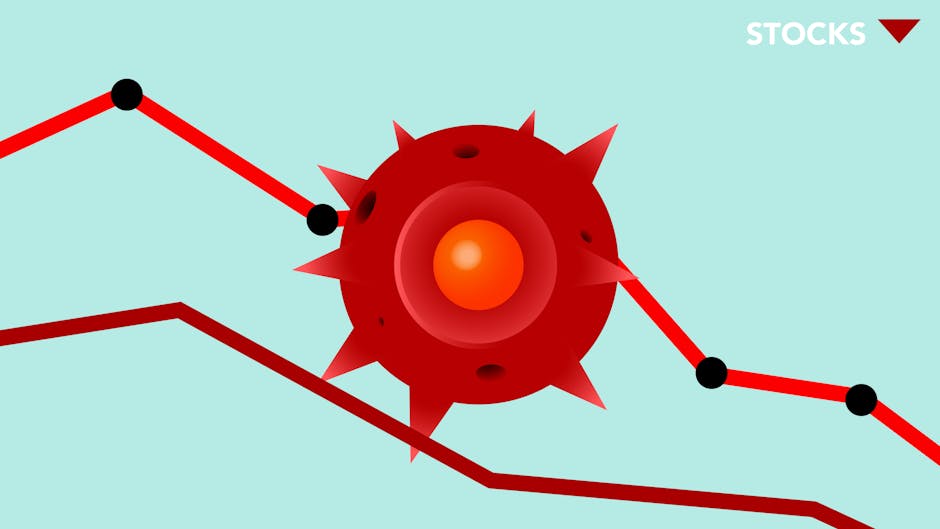
The economic impact extends significantly to trade. Australia is a participant in global agricultural markets, and confirmed outbreaks of highly pathogenic avian influenza can lead to immediate bans or severe restrictions on exports of poultry products by importing countries. These bans can be difficult and time-consuming to lift, even after an outbreak is contained, as trading partners require sustained periods of disease freedom and rigorous assurances of biosecurity. This loss of access to export markets can cripple businesses that rely on international sales, leading to reduced revenue for the entire sector and impacting Australia’s balance of trade. Furthermore, the domestic market can be affected by consumer confidence, even if the risk of infection from commercially prepared poultry is extremely low, leading to reduced demand and lower prices for producers. The cost of implementing and maintaining enhanced biosecurity measures across the industry, while essential for prevention, also represents an ongoing operational expense for farmers and government bodies involved in disease surveillance and control programs. The emergence of bird flu in dairy cattle, as noted in the US, suggests that the economic risks could potentially expand to other livestock sectors, necessitating a broader assessment of economic vulnerabilities and preparedness strategies across Australian agriculture.
The detection of avian flu in wild birds, such as in Arizona in the United States in June 2022, serves as a constant reminder of the ongoing threat to agricultural biosecurity. Even if these detections do not immediately impact commercial farms, they necessitate increased surveillance and preparedness efforts, which themselves carry costs for government agencies and industry bodies. For example, a national surveillance program to monitor wild bird populations for H5N1 would involve significant expenditure on testing and personnel. In the event of an outbreak, the economic disruption can cascade through related industries, such as feed suppliers, transportation companies, and processors, creating a wider economic downturn. The cost of research into improved vaccines and diagnostics, as well as public awareness campaigns to educate farmers and the public, also contributes to the overall economic burden of managing the threat of avian flu. Therefore, understanding and quantifying these potential economic costs are crucial for justifying investments in robust biosecurity and emergency preparedness measures to safeguard Australia’s agricultural sector.
What should Australians do if they encounter sick or dead birds during an avian flu outbreak?
If Australians encounter sick or dead birds, particularly during a period when avian flu is a known concern or has been detected in the region, the most crucial immediate action is to avoid direct contact and report the finding to the appropriate authorities. This recommendation is consistent across all relevant health and wildlife agencies and is a cornerstone of effective disease management. Touching sick or dead birds, even out of concern or curiosity, can be a direct pathway for potential infection. This is especially important given the ability of avian influenza viruses, such as H5N1, to infect mammals, as indicated by the detection in dairy cattle in the United States in early 2024. Therefore, maintaining a safe distance and refraining from handling is paramount for personal safety. The key is to alert those equipped to assess and manage the situation without increasing personal risk or inadvertently spreading the disease further.

The specific reporting channels depend on the location and the nature of the finding. For dead birds, especially if multiple are found in one area, or for birds exhibiting unusual behaviour or symptoms of illness, Australians should contact their state or territory wildlife authority or department of agriculture. These agencies are responsible for investigating wildlife health incidents and determining if testing for avian influenza is warranted. For example, if you discover several dead swans in a local park in Sydney, reporting this to NSW Wildlife Information, Rescue and Education Service (WIRES) or the NSW Department of Primary Industries would be the appropriate step. These reports are vital for public health surveillance, helping authorities track the movement and prevalence of the virus in wild populations. The detection of bird flu in wild birds in Arizona in the United States in June 2022 serves as a pertinent example of how these reports contribute to understanding disease spread. It is also important to keep pets, such as dogs and cats, away from sick or dead birds to prevent them from becoming infected and potentially carrying the virus back to households or other animals. This comprehensive approach to reporting and avoidance is a critical community contribution to managing the risks associated with avian flu.
In instances where an individual has had direct contact with a sick or dead bird, it is advisable to thoroughly wash their hands with soap and water, and if possible, use an alcohol-based hand sanitiser. Monitoring for any flu-like symptoms in the days following such contact is also a sensible precaution. If symptoms such as fever, cough, sore throat, or body aches develop, seeking prompt medical attention and informing the healthcare provider about the potential exposure is essential. This allows for appropriate medical assessment and, if necessary, testing for avian influenza. The Australian government, through agencies like the Department of Health and Aged Care, provides public health advice and updates regarding communicable diseases. Staying informed through official channels during an avian flu event in Australia is a responsible step for all citizens. By following these guidelines—avoiding contact, reporting findings, and practising good hygiene—Australians can significantly contribute to protecting themselves, their families, and the wider community from the potential health impacts of avian flu.