
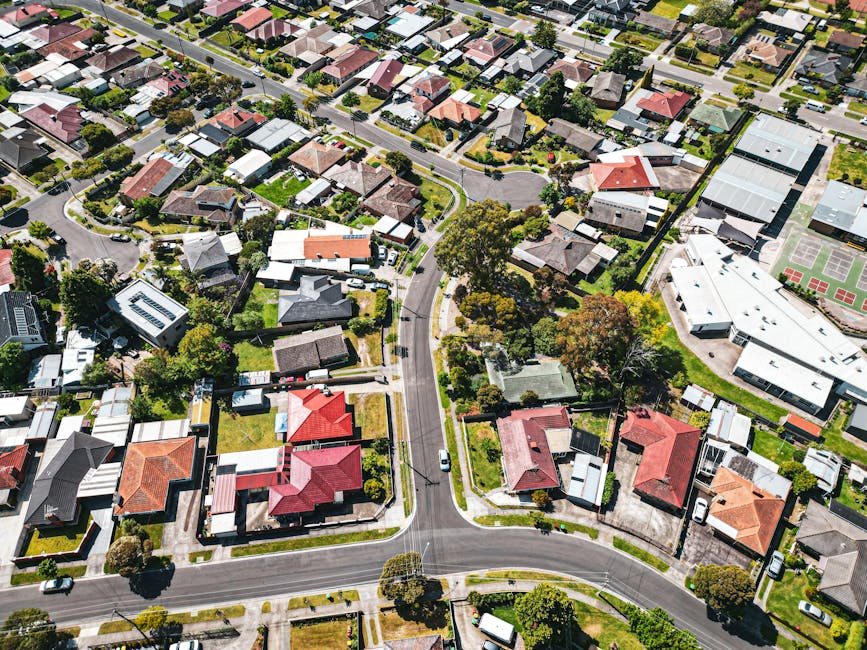
The housing market Australia is experiencing a significant slowdown in 2024, driven primarily by aggressive interest rate increases and mounting affordability pressures across major cities. Property prices have declined by approximately 8-12% nationally since their 2022 peaks, with Sydney and Melbourne leading the correction. When I first started researching property trends for potential buyers, it was overwhelming at first to understand how rapidly market conditions could shift within just 18 months.
The Reserve Bank of Australia’s cash rate increases from 0.1% to 4.35% have fundamentally altered buyer capacity and seller expectations. This dramatic shift has created both challenges and opportunities for those navigating today’s property landscape. Understanding these dynamics is crucial for making informed decisions in the current environment.
What is causing the Australian property market slowdown in 2024?
Multiple interconnected factors are driving the current market correction, with interest rate policy being the primary catalyst. The RBA’s monetary tightening cycle has increased borrowing costs substantially, reducing buyer purchasing power by an estimated 25-30% compared to late 2021 levels. This dramatic shift in affordability has forced many potential buyers out of the market entirely.
Cost of living pressures have compounded these challenges, with many households prioritising essential expenses over property purchases. Construction costs have also risen significantly, impacting both new builds and renovation projects across the housing market Australia. Supply chain disruptions and labour shortages continue to affect housing delivery, creating additional market pressures.
How do interest rate hikes affect Australian home buyers and sellers?
Interest rate increases create a cascading effect throughout the property ecosystem, fundamentally altering market dynamics for all participants. Buyers face substantially higher mortgage repayments, with a typical $800,000 home loan now costing approximately $1,200 more per month compared to 2021 rates. This reality has pushed many first-time buyers into extended saving periods or alternative housing arrangements.
Sellers are adjusting expectations as buyer demand softens and auction clearance rates decline to around 60-65% in major capitals. Properties are taking longer to sell, with average days on market increasing by 20-30% across most regions. Many sellers are choosing to delay listing decisions, waiting for more favourable conditions to return.
For existing homeowners, variable rate mortgages (loans where interest rates fluctuate with market conditions) have created significant budget pressures. I was surprised by how straightforward it turned out to be for many borrowers to negotiate with their lenders for temporary payment relief or loan restructuring options.
How can first-time buyers navigate the market during a slowdown?
First-time buyers actually possess several advantages in the current market environment, despite the challenging affordability landscape. Reduced competition means more time to inspect properties, negotiate terms, and secure better deals compared to the frenzied conditions of 2021-2022. Many sellers are becoming more flexible on settlement terms and inclusions to attract serious buyers.
Government assistance remains available through various schemes, including the First Home Owner Grant and shared equity programs in several states. In NSW, eligible first-time buyers can access stamp duty concessions on properties up to $800,000, providing substantial savings. Building strong pre-approval credentials and maintaining flexibility on location or property type can unlock opportunities in the current housing market Australia.
Working with experienced mortgage brokers becomes particularly valuable during market downturns, as they can identify lenders offering competitive rates or flexible lending criteria. Buyers should also consider the potential for further rate changes when structuring their finance, ensuring sustainable repayment capacity across different scenarios.
When is the best time to buy property in a slowing Australian market?
Market timing requires balancing personal circumstances with broader economic conditions rather than attempting to predict exact price bottoms. Current conditions favour patient buyers who can secure appropriate financing and identify well-located properties at reasonable prices. The key is focusing on long-term value rather than short-term market movements.
For those ready to purchase, the present environment offers genuine negotiating power and reduced competition from other buyers. However, maintaining realistic expectations about future growth and ensuring financial sustainability across various interest rate scenarios remains essential for successful property investment.
Before making any major property decisions, consider comparing home loan options and seeking professional financial advice tailored to your specific circumstances. The current market presents both risks and opportunities – the key is understanding which apply to your situation and making informed decisions accordingly.
Photo by Break Media via Pexels