
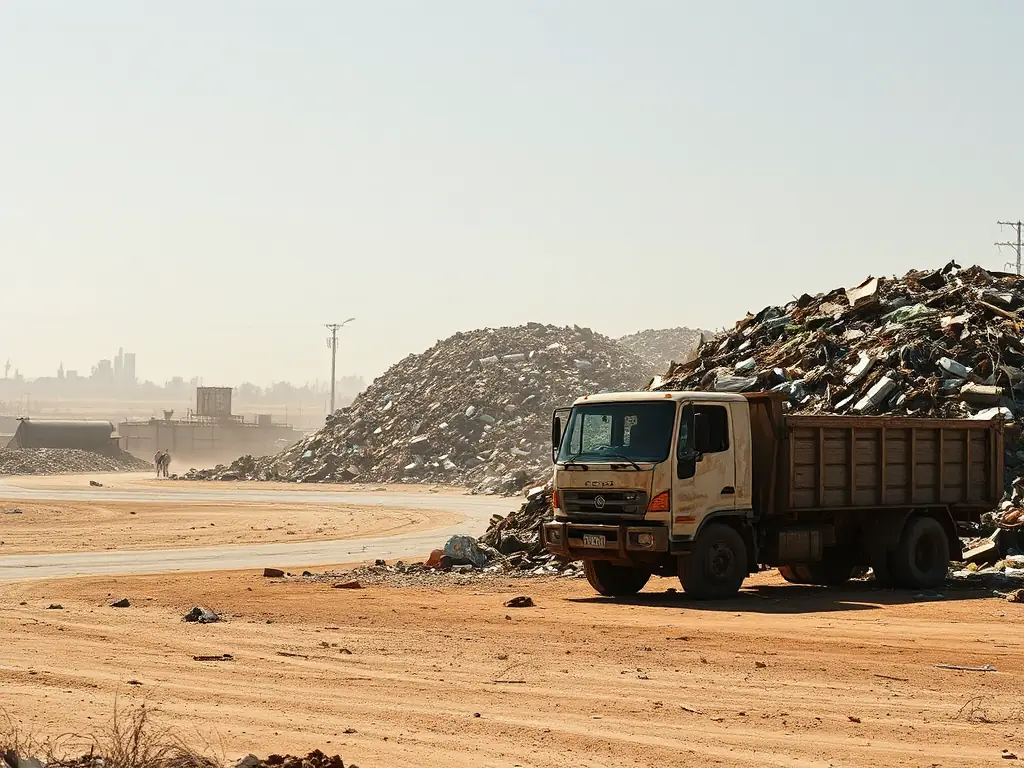
Illegal waste dump Australia: Record Fine and Trucking Warning
An illegal waste dump Australia refers to the unauthorised disposal of industrial, construction, or demolition materials on private or public land. At BanksiaPulse, we track regulatory shifts that impact property owners and industry operators. Following a record-setting $60,000 fine issued on July 21, 2026, for environmental non-compliance (Source: Environment Protection Act), authorities are increasing scrutiny on waste logistics. Understanding your legal obligations is essential to avoiding severe environmental penalties and significant financial losses in the Australian waste sector.
- What is considered an illegal waste dump in Australia?
- How do truckers get caught dumping waste illegally?
- What are the penalties and fines for illegal waste dumping?
- How much did the record fine cost in the recent waste dumping case?
- What are the legal ways for truckers to dispose of waste?
- What risks do truckers face from illegal waste dumping convictions?
- Frequently Asked Questions
What is considered an illegal waste dump in Australia?
An illegal waste dump in Australia is the illicit placement of industrial, construction, or demolition waste on land not licensed to receive or store such materials. This includes soil, concrete rubble, and materials laced with hazardous substances like asbestos. When property owners accept these materials without proper environmental permits, they create a significant liability. According to the Environment Protection Authority (EPA), sites that fail to adhere to clean-up notices despite receiving official directives face escalating legal consequences. These sites often become environmental hazards, posing long-term health risks to the local community and surrounding ecosystems. The severity of these incidents is measured by the potential for environmental contamination. For example, when trucks deposit construction materials laced with asbestos, the site requires specialised decontamination protocols that can cost hundreds of thousands of dollars to rectify. This creates a lasting financial burden for landowners and surrounding neighbours. Protecting land from such contamination requires strict oversight, as illegal tipping often occurs under the guise of legitimate land filling or site levelling activities, masking the true nature of the hazardous waste being deposited on site.
For those managing property in semi-rural or industrial fringe areas, vigilance is the best defence against becoming an accidental repository for illegal waste. Engaging with licensed disposal contractors ensures that all materials are tracked from the point of origin to a certified processing facility. Landowners should document any agreements for fill importation and demand proof of certification for all materials. Neglecting these checks risks the imposition of clean-up orders that can remain active for years, severely impacting property values and triggering ongoing regulatory oversight by state agencies.
How do truckers get caught dumping waste illegally?
Truckers are caught dumping waste illegally through sophisticated surveillance methods, including private investigation and regional environmental monitoring. In recent investigations, authorities employed private detectives to shadow tipper trucks as they travelled from industrial and construction sites across Melbourne to illicit disposal locations (Source: EPA, 2026). This collaborative effort between environmental watchdogs and local government bodies, such as the Nillumbik Shire Council, allows authorities to map illegal supply chains. By tracking vehicle movements in real-time, investigators can intercept drivers in the act or gather the necessary evidence to link specific companies to designated illegal dumping sites.
![[Aerial view of an industrial area with heavy vehicles monitored by surveillance technology]](https://images.pexels.com/photos/6542377/pexels-photo-6542377.jpeg?auto=compress&cs=tinysrgb&h=650&w=940)
The reliance on technological and human intelligence is increasing, as the environmental cost of unchecked dumping becomes more apparent. Surveillance often involves cross-referencing vehicle logs with regional waste facility records to identify discrepancies in disposal patterns. If a vehicle is registered to carry waste but consistently fails to arrive at a licensed facility, it triggers an investigation. This systematic approach is designed to catch not only the individual driver but also the entities commissioning the dumping, ensuring that the entire chain of responsibility is held accountable under the relevant state legislation regarding environmental protection. Trucking companies should note that local authorities are now leveraging public reporting and satellite imagery to identify changes in land usage that signal illicit dumping. When citizens report unusual activity or large vehicle movements, councils often deploy inspectors to verify if the site has the necessary environmental protection permits. For logistics operators, this means the risk of detection is higher than ever. Ensuring full compliance with waste transportation laws, including accurate manifest documentation, is the only way to avoid the legal and reputational damage associated with illegal dumping investigations and subsequent court appearances.
What are the penalties and fines for illegal waste dumping?
Penalties for illegal waste dumping in Australia include heavy fines, criminal convictions, and mandatory site clean-up orders that can extend for years. A recent case saw an individual issued a record $60,000 fine for maintaining an illegal waste dump, marking a significant escalation in judicial responses to environmental crimes under Victoria’s Environment Protection Act (Source: Environment Protection Act, 2026). These penalties are intended to serve as a strong deterrent, reflecting the serious nature of environmental contamination and the high cost associated with remediating polluted land, particularly when toxic materials such as asbestos are involved in the process. Beyond monetary fines, offenders face the significant cost of site remediation. Clean-up notices are legally binding, and the responsibility for the expense typically falls on the landholder or the entity that knowingly accepted the waste. This can result in costs far exceeding the initial fines issued by the court. For instance, if a landowner allows thousands of tonnes of debris to accumulate, they may be required to pay for the removal, transport, and safe disposal of all materials at a licensed facility, which represents a massive long-term liability for the property owner and any involved trucking companies.
The legal process also involves public conviction records, which can affect future business operations and insurance premiums. As authorities pivot toward prosecuting the trucking companies involved in these illicit activities, the scope of liability is widening. Companies found to be dumping waste face not only regulatory fines but also potential suspension of their operating licenses. Understanding the ATO’s official guide on tax offsets and legal compliance is crucial, but businesses must primarily focus on environmental regulatory compliance to avoid these catastrophic legal and financial outcomes.
How much did the record fine cost in the recent waste dumping case?
The record fine handed down in the recent illegal waste dumping case in Victoria was exactly $60,000 (Source: July 21, 2026 News Report). This penalty, issued to an individual who used his Diamond Creek property as a black-market industrial waste site, is understood to be the largest fine ever issued to a person for an environmental crime in the state under the current legislation. The substantial nature of this fine reflects the ongoing persistence of the offender, who ignored multiple official orders to cease accepting industrial materials and to begin the necessary cleaning process on his property for several weeks. The $60,000 figure is a landmark moment in the enforcement of environmental protection laws, signalling a more aggressive stance by the EPA and local councils. For those within the industry, this statistic serves as a warning that historical leniency toward environmental offences is shifting. As the mountain of toxic waste remains on the site more than a year after initial clean-up orders were issued, the case highlights the long-term consequences of illegal dumping. The combination of the fine and the ongoing remediation requirement demonstrates that the law prioritises the restoration of the environment over the financial comfort of those responsible for the pollution.
This case also highlights that fines are only one component of the broader regulatory response. When an individual or company ignores formal warnings, the escalation to the courts is almost certain. Other logistics operators should view this record fine as a benchmark for potential future penalties. By prioritising legal waste disposal methods, businesses can avoid the risk of being the next subject of a high-profile, record-setting prosecution. Maintaining transparency with the EPA and following all ABS statistics regarding environmental waste management helps ensure your operations remain on the right side of the law.
What are the legal ways for truckers to dispose of waste?
The legal disposal of waste for truckers involves taking loads exclusively to state-authorised, licensed waste processing facilities or landfills. These sites are equipped to handle specific categories of waste, from general construction debris to hazardous materials like asbestos, which require specialised handling and documentation. Trucking companies are required to maintain a digital or physical record of every load, including the source of the waste, the quantity, and the final disposal destination. This chain of custody documentation is vital for demonstrating compliance during any audit or inspection by the environmental regulatory authorities. When truckers operate legitimately, they contribute to the sustainable management of resources and help prevent environmental harm. For example, a driver collecting soil from a city construction site should ensure the recipient facility is accredited to process that specific type of earth. If the soil is contaminated, it must go to a facility permitted to treat hazardous soil. Attempting to bypass these requirements by using unofficial sites, even if they appear to be private rural properties, constitutes an illegal dumping offence that carries the risk of heavy fines and criminal charges as witnessed in recent court rulings.
Effective waste management also involves checking the site’s current environmental license to ensure it hasn’t been suspended or revoked. Many operators use the Moneysmart guidance for businesses to ensure they have the financial capacity to maintain compliance. By choosing accredited disposal sites, companies protect themselves from being associated with illegal waste dump Australia incidents. This commitment to legal disposal not only protects the environment but also safeguards the reputation of the trucking company, ensuring longevity and profitability in an industry increasingly focused on transparency, corporate responsibility, and strict adherence to environmental protection standards across all jurisdictions.
What risks do truckers face from illegal waste dumping convictions?
Truckers involved in illegal waste dumping face severe risks, including permanent criminal records, substantial personal or corporate fines, and the potential revocation of commercial operating licenses. A conviction under the Environment Protection Act can damage a company’s reputation to the point where they are excluded from major government and private construction tenders. This loss of business opportunity can far outweigh the immediate cost of the fines. Furthermore, companies that facilitate the dumping of hazardous materials, such as asbestos, may face additional legal challenges related to public health safety and workplace exposure liabilities.
![[Trucking fleet operating at a professional, licensed facility with clear signage]](https://images.pexels.com/photos/27099094/pexels-photo-27099094.jpeg?auto=compress&cs=tinysrgb&h=650&w=940)
Beyond the legal consequences, the operational risk is significant. Once a company is flagged by authorities for illegal dumping, they face increased scrutiny, including regular audits and potential vehicle impoundments. This level of oversight can disrupt regular business operations, leading to delays in deliveries and increased administrative costs. For instance, a driver caught dumping waste might result in the entire company fleet being subjected to intensive monitoring, making it difficult to maintain efficient delivery schedules. This cycle of investigation and monitoring is often a precursor to further legal action as the authorities look for patterns of systemic non-compliance. The personal risk to individual drivers is also high. Even if a driver is acting under instructions from their employer, they may still be held personally liable for their actions, leading to legal action against them individually. It is critical for all staff to be fully aware of the legal disposal requirements and to feel empowered to refuse orders that involve dumping waste in non-certified areas. Building a culture of compliance within the company is essential to prevent these risks and to protect the long-term viability of the business in a climate where environmental protection is becoming a primary regulatory focus.