
Insurance for Bushfire-Prone Properties: Managing Rising Costs
Insurance premiums are a significant financial burden for Australian homeowners, with some households facing $30,000 in expenses to mitigate bushfire risks (Source: SBS News, 2026). At BanksiaPulse, we examine the practical challenges property owners face when attempting to balance fire safety with the rising cost of insurance. Understanding how to navigate these policies in 2026 is essential for protecting your home in high-risk zones across Australia.
- How much does bushfire insurance cost for homeowners?
- What does bushfire insurance actually cover?
- Is bushfire insurance mandatory or optional for homeowners?
- How can you reduce your bushfire insurance premiums?
- What’s the difference between standard home insurance and bushfire-specific coverage?
- Why are insurance costs increasing for properties in bushfire-prone areas?
- Frequently Asked Questions
How much does bushfire insurance cost for homeowners?
The cost of bushfire insurance is highly variable, often determined by a property’s location, construction materials, and proximity to bushland. While there is no universal fixed rate, homeowners in high-risk areas are increasingly finding that the combined costs of risk mitigation and policy premiums are reaching tens of thousands of dollars (Source: SBS News, 2026). Insurers calculate these premiums based on complex risk modelling that assesses the likelihood of a total property loss. For residents located near areas like Yengo National Park, the financial pressure is exacerbated by the need to invest in private fire-fighting equipment or property modifications. When reviewing your budget, consider that the Moneysmart guide on home insurance suggests checking your Product Disclosure Statement (PDS) to understand exactly how your premium is calculated based on your specific post-code risk profile.
Homeowners often face a difficult choice: pay higher monthly premiums or invest significant capital into physical home hardening. As documented in recent reports, some individuals are spending thousands of dollars on clearing vegetation and upgrading structural integrity to lower their fire risk profile, yet insurers do not always guarantee a premium reduction for these proactive measures (Source: SBS News, 2026). This creates a financial disconnect where the effort to reduce risk does not immediately translate to lower insurance expenditures. To better manage these costs, homeowners should request a detailed breakdown of their policy, which outlines how much of the premium is attributed to “fire peril.” It is also wise to shop around, as different insurers weigh regional environmental factors—such as wind speed, slope, and fuel load—differently. Comparing multiple providers remains the most effective strategy for identifying competitive rates in a volatile market.
Table 1: Factors Influencing Bushfire Insurance Premiums
| Factor | Impact on Premium |
|---|---|
| Property Location | High if near national parks or dense forest |
| Construction Materials | Lower for concrete/brick; higher for timber |
| Bushfire Attack Level (BAL) | Critical rating for determining structural requirements |
| Previous Claims History | May increase annual premiums |
What does bushfire insurance actually cover?
Bushfire insurance typically covers the cost of repairing or rebuilding your home after fire-related damage, as well as the loss or damage of contents contained within the insured property. Most standard policies include provisions for debris removal, temporary accommodation if the home becomes uninhabitable, and the cost of professional assessments required post-event (Source: APRA, 2024). It is important to distinguish between “total replacement” policies and “sum-insured” policies, as the latter may leave homeowners under-insured if construction costs spike following a widespread bushfire event. Many policies also offer limited coverage for landscaping or fences, though these are often subject to strict sub-limits. For instance, if you reside in a rural area, standard coverage might not extend to outbuildings, such as sheds or caravans, unless you have specifically listed them as additional insured assets on your policy document.
The scope of coverage also includes essential services, such as the restoration of power, water, and sewage systems damaged by heat or fire intensity. However, homeowners must read the fine print regarding “fire-prevention expenses.” While you might invest in fire pumps or clearing trees to protect your home, many insurers do not cover the cost of these preventative measures under a standard dwelling policy. If you have installed advanced fire-suppression systems, verify with your provider whether these additions are considered permanent fixtures that increase the replacement cost of your home. Failure to update your policy after major renovations or the installation of expensive fire-safety equipment could result in insufficient coverage during a claim. Always maintain an updated inventory of your assets to ensure your sum-insured figure reflects the current market value of your property and its contents to avoid potential shortfall during a crisis.
Is bushfire insurance mandatory or optional for homeowners?
Bushfire insurance is technically optional for property owners who own their home outright, but it is almost universally mandatory for those holding a mortgage. Lenders require proof of current building insurance to protect their financial interest in the asset until the loan is fully repaid (Source: ASIC, 2025). Even if you are not required by a bank to carry insurance, the financial risk of a total property loss makes it a fundamental component of responsible homeownership in Australia. Without coverage, the burden of rebuilding after a bushfire falls entirely on the owner, which can lead to severe long-term financial hardship. If you find standard insurance unaffordable, you should investigate if your property qualifies for government-backed risk reduction programs or if you can adjust your excess (the amount you pay toward a claim) to lower your annual premiums while maintaining essential protection.
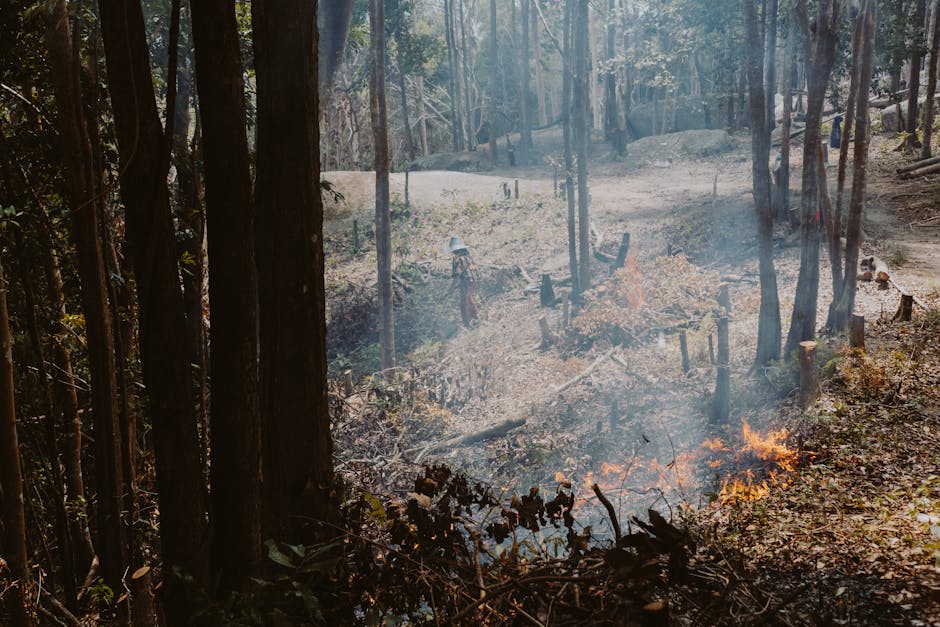
For those in high-risk zones, the decision to maintain coverage is rarely about choice but rather about affordability. There have been instances where homeowners, faced with rising premiums, have attempted to reduce their risk profile by clearing surrounding land, yet the insurance industry’s response to these individual efforts remains inconsistent (Source: SBS News, 2026). When evaluating your insurance needs, consider that lenders may force-place insurance if your policy lapses, which is often far more expensive than a policy you source yourself. If you are struggling to find a provider due to your location, consult the Australian Bureau of Statistics reports on housing trends to understand the broader context of insurance availability in your state. Maintaining a continuous policy history is also vital, as gaps in coverage can complicate future applications and lead to higher premiums or restricted access to comprehensive, multi-peril insurance products.
How can you reduce your bushfire insurance premiums?
Reducing insurance premiums often requires a combination of property-level modifications and savvy shopping habits to demonstrate lower risk to your insurer. One of the most effective strategies is to improve your home’s Bushfire Attack Level (BAL) rating through structural upgrades, such as installing ember guards, toughened glass, or non-combustible external cladding. Providing evidence of these professional upgrades to your insurer may result in a review of your risk profile. Additionally, bundling your home and contents insurance or increasing your voluntary excess can significantly decrease your annual out-of-pocket costs. Be mindful that while an increased excess saves money on premiums, it requires you to hold enough emergency savings to cover the difference should you need to file a claim. You should regularly request a policy review to ensure you are not paying for coverage features that no longer apply to your current living situation.
Another often overlooked method for lowering costs is conducting a thorough inventory audit every twelve months. Many homeowners overestimate the value of their contents, resulting in inflated insurance premiums for coverage they do not actually need. By accurately assessing the replacement value of your furniture, electronics, and personal items, you can align your coverage with reality. Furthermore, clear communication with your insurer about the specific steps you have taken to mitigate risk—such as professional tree lopping or installing an independent water supply—is essential. While insurers may not always offer a direct discount, documented preparedness can sometimes prevent a premium hike during your annual policy renewal. Always remain proactive; compare quotes from at least three different providers each year to ensure your current insurer is not taking your loyalty for granted by charging above-market rates for high-risk properties.
What’s the difference between standard home insurance and bushfire-specific coverage?
Standard home insurance typically covers “defined events,” which usually includes fire, storm, and theft, but bushfire-specific coverage provides more tailored protection against the unique intensity and debris damage associated with large-scale fires. While most comprehensive policies include bushfire as a standard peril, homeowners in high-risk zones might find “specialty” policies that offer higher limits for temporary accommodation or specific clauses for landscape restoration (Source: APRA, 2024). A standard policy might only cover the structural rebuild, whereas a specialized policy might include additional support for the professional cleanup of hazardous ash and debris, which can be an unexpected and significant cost following a fire. It is vital to check your PDS to see if your “fire” coverage has specific exclusions regarding the proximity of the bushland or the type of structures covered, such as standalone garages or detached sheds.
For many property owners, the distinction becomes critical during the recovery phase. Standard insurance often provides a basic “sum insured” that may not account for the surge in construction labor costs that typically follows a regional disaster. Bushfire-specific or “high-risk” add-ons may include “total replacement” features that protect you against these inflationary spikes. Furthermore, standard policies might only provide a limited period of temporary accommodation, such as 12 months, whereas specialized coverage could extend this to 24 months, acknowledging the longer lead times for rebuilding in remote or fire-damaged regional areas. If you live on the doorstep of a national park, you should explicitly ask your broker or insurance representative if your current plan covers the costs associated with fire-retardant debris cleanup or if those items require a separate endorsement. Always ensure your policy reflects the true cost of rebuilding in today’s market, rather than just the historic value of your property.
Why are insurance costs increasing for properties in bushfire-prone areas?
Insurance costs are rising due to sophisticated risk modelling that reflects the increasing frequency and severity of extreme weather events across Australia. Insurers utilize complex data sets—factoring in climate projections, local topography, and historical fire behaviour—to set premiums that align with the potential financial liability of a property (Source: SBS News, 2026). As the risk to life and assets increases, so too does the “risk loading” applied to policies in high-fire-danger zones. This trend is further compounded by the rising cost of construction materials and labor, which forces insurers to adjust their total payout estimates upward. For a homeowner, this can feel like an unfair penalty, especially when they have already invested thousands of dollars into local fire safety measures, yet the overall regional risk profile continues to drive the market-wide cost of insurance higher.
The concentration of properties in interface zones—areas where residential development meets dense forest—has created a higher density of high-risk assets, making it harder for insurance companies to spread their risk effectively. When a major fire occurs, the cumulative payout for an entire street or neighbourhood can run into hundreds of millions of dollars, leading insurers to re-evaluate the profitability of specific postcodes. This re-evaluation often manifests as sharp, unexpected increases in annual premiums for all residents in that region, regardless of individual safety investments. To navigate this, residents must stay informed about local planning regulations and regional fire mitigation projects, as these government-led initiatives can sometimes influence how insurers categorize your area’s risk. While individual actions like clearing vegetation are commendable, they may not override the broader macroeconomic factors driving the national surge in property insurance premiums throughout 2026.