
BanksiaPulse Editorial Team For more information, visit the MoneySmart savings guide. BanksiaPulse covers Australian news and finance with AI-assisted research, cross-checked against ATO, ABS, and official government sources. Published: June 28, 2026
What are “meme factories” and how do they operate on Facebook?
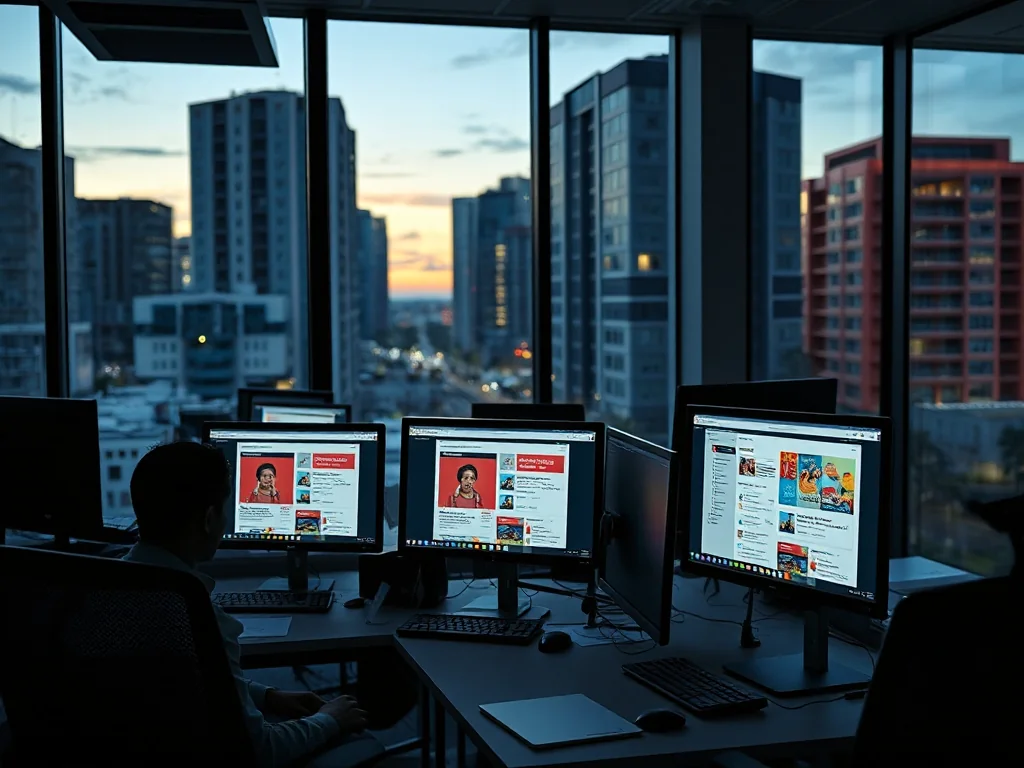
Meme factories are sophisticated online operations designed to disseminate specific narratives and propaganda, often by leveraging viral social media content like memes. These entities typically function as networks of accounts, pages, and groups that coordinate the creation, promotion, and amplification of politically charged or ideologically aligned content. Their operational strategy often involves exploiting the algorithms of platforms like Facebook to maximise reach and engagement. This can include mass-posting identical or subtly varied memes, employing armies of fake accounts to simulate grassroots support, and strategically timing content releases to influence public opinion during key political moments. The visual and often humorous nature of memes makes them highly shareable and digestible, allowing these factories to bypass critical thinking and embed their messages deeply within online conversations. BanksiaPulse is examining these tactics to understand their real-world impact on Australian politics.
- What are “meme factories” and how do they operate on Facebook?
- How does foreign influence target One Nation supporters through social media?
- What countries have been linked to One Nation-related disinformation campaigns?
- How can you identify fake or foreign-backed One Nation content online?
- What is the financial impact of foreign-funded political meme operations in Australia?
- How does One Nation’s messaging compare to coordinated foreign influence campaigns?
- What are the risks of engaging with foreign-influenced political content on Facebook?
This guide covers everything you need to know about One Nation foreign influence in Australia. The core function of a meme factory is to shape perceptions and mobilise support or opposition for specific political figures or agendas through a constant stream of tailored, often emotionally resonant, content. They can operate with varying degrees of sophistication, from small, loosely connected groups of individuals to highly organised, potentially state-sponsored networks. The objective is generally to create an echo chamber effect, where users are repeatedly exposed to the same viewpoints, reinforcing pre-existing biases or introducing new ones. This strategy is particularly effective on platforms where user engagement is driven by algorithms that favour popular and frequently shared content, creating a feedback loop that can quickly propel a particular narrative into mainstream online discourse. Understanding these mechanisms is crucial for discerning authentic public sentiment from manufactured opinion.
For instance, a meme factory might identify a common grievance or a popular sentiment within a specific demographic and then create a series of memes that tap into this feeling, linking it to a particular political party or policy. These memes are then strategically shared across numerous pages and groups, often with calls to action like “share if you agree” or “tag a friend.” The sheer volume and coordinated nature of these posts can create the illusion of widespread popular support for the message being promoted. This tactic aims to influence not only the direct audience but also the broader social media ecosystem, potentially shaping the news cycle and influencing offline public opinion. The proliferation of such content highlights a significant challenge for maintaining an informed and genuine political debate in the digital age.
How does foreign influence target One Nation supporters through social media?
Foreign influence operations targeting One Nation supporters often exploit existing political narratives and societal concerns to foster division or promote specific geopolitical agendas. These campaigns frequently identify susceptible demographics within the One Nation base, such as individuals concerned about immigration, national sovereignty, or economic globalisation. The modus operandi involves creating or amplifying content that aligns with these concerns, often portraying One Nation as the sole defender of Australian interests against perceived threats, whether they be from international bodies, migrants, or global elites. This is typically achieved through the strategic use of social media platforms like Facebook, where coordinated networks of fake accounts and pages disseminate memes, articles, and videos designed to resonate with and radicalise the target audience. The content often employs sensationalist language, appeals to emotion, and fosters a sense of urgency or victimhood to encourage engagement and sharing.
The objective of these foreign actors is not necessarily to directly promote One Nation as a party, but rather to exploit its platform and supporter base to advance their own interests. This could involve destabilising Australian politics, undermining faith in democratic institutions, or promoting narratives that align with their home country’s foreign policy objectives. For example, a foreign power might seek to sow discord within Australia by exacerbating existing cultural or political divides, using One Nation’s anti-immigration stance as a focal point for such campaigns. The sophisticated nature of these operations means that the content can appear organic, making it difficult for the average user to discern its true origin or intent. This deliberate manipulation of online discourse poses a significant threat to the integrity of Australia’s political landscape and the informed participation of its citizens.
Furthermore, these foreign entities often employ advanced social media manipulation techniques. They might purchase targeted advertising to amplify their messages to specific demographics, or use bots to artificially inflate the engagement metrics of certain posts, making them appear more popular and credible than they actually are. This can create a powerful echo chamber effect, where One Nation supporters are continually exposed to content that reinforces their existing beliefs and potentially pushes them towards more extreme viewpoints. The financial backing for these operations can be substantial, allowing for sustained and widespread disinformation campaigns. Recent estimates suggest that global spending on such influence operations runs into the hundreds of millions of dollars annually, impacting democracies worldwide, including Australia. (Source: Various cybersecurity intelligence reports). This underscores the need for increased vigilance and critical assessment of online political content.
The targeting of One Nation supporters is a strategic choice for foreign actors because the party’s populist appeal and often anti-establishment rhetoric can be more easily leveraged to create divisions. By amplifying messages that resonate with fears around border security, cultural change, or perceived loss of national identity, these operations can cultivate an environment of distrust towards mainstream political parties and institutions. The goal is to weaken democratic consensus and create a more fertile ground for foreign interests to gain influence. For example, a campaign might promote narratives suggesting that mainstream Australian politicians are beholden to foreign powers, while portraying One Nation as the only true defender of national sovereignty, thereby aligning their messaging with specific foreign policy goals.
What countries have been linked to One Nation-related disinformation campaigns?
Several countries have been implicated in disinformation campaigns that have sought to influence Australian politics, with some of these operations indirectly or directly touching upon narratives amplified by One Nation’s messaging. While specific, definitive links to states orchestrating campaigns directly *for* One Nation are complex and often require extensive intelligence analysis, patterns of coordinated inauthentic behaviour on social media have pointed towards certain state actors attempting to sow discord within Australia. These states often aim to exploit existing societal fault lines, and narratives around immigration, national identity, and economic policy, which One Nation frequently addresses, provide fertile ground for such interference. Reports from cybersecurity firms and government intelligence agencies have occasionally highlighted Russian and Chinese state-sponsored or state-aligned entities engaging in broad disinformation efforts targeting Western democracies, including Australia. These campaigns aim to amplify divisive content, undermine trust in institutions, and promote geopolitical agendas. For instance, during election periods, such actors have been known to create fake accounts and pages to spread misleading information about candidates or policies, or to inflame public debate on contentious issues like immigration or foreign investment.
The methodology often involves creating or hijacking social media accounts to disseminate content that promotes extreme viewpoints, amplifies conspiracy theories, or fosters xenophobia. This content may not explicitly endorse a specific party like One Nation, but rather aims to polarise the electorate and weaken democratic norms. By amplifying existing grievances and anxieties, these operations can create an environment where parties like One Nation, which tap into these sentiments, can see their messaging gain wider traction. For example, a coordinated campaign might push anti-immigration narratives across multiple platforms, using emotionally charged imagery and unsubstantiated claims, which then feeds into the discourse already present in One Nation supporter groups. This indirect amplification can be just as effective as direct propaganda in achieving the foreign actor’s objectives of destabilisation.
The lack of direct, publicly confirmed evidence linking specific foreign governments to the *creation* of One Nation-focused disinformation campaigns does not diminish the reality of the threat. Instead, it reflects the sophisticated and often deniable nature of these operations. Intelligence agencies worldwide observe that state actors often use proxies, shell companies, and sophisticated technical means to mask their involvement. The focus tends to be on disrupting the target country’s internal cohesion and democratic processes, rather than openly supporting particular political movements. Therefore, while a direct “Country X funds Meme Factory Y for One Nation” headline is rare, the *impact* of foreign interference campaigns often aligns with creating a more fragmented and receptive audience for parties that challenge the status quo. Understanding this indirect influence is crucial for safeguarding democratic discourse.
It is vital to differentiate between genuine political discourse and coordinated foreign influence. While political parties and their supporters engage in legitimate debate, foreign influence operations are characterised by deception, amplification of falsehoods, and a hidden agenda. The intention is not to foster healthy debate but to manipulate public opinion for external benefit. The Australian government, through agencies like the Australian Cyber Security Centre (ACSC), actively monitors and reports on foreign interference threats, though specific attributions can be challenging due to the clandestine nature of these activities. Their reports often detail the types of tactics used, such as the creation of fake online personas and the dissemination of divisive content, which can indirectly benefit parties like One Nation by further polarizing the political landscape. This highlights a significant challenge for maintaining national security and democratic integrity in the digital age.
How can you identify fake or foreign-backed One Nation content online?
Identifying fake or foreign-backed content related to One Nation requires a critical approach to social media consumption and an awareness of common disinformation tactics. One of the primary indicators is the sheer volume and uniformity of posts across different accounts or pages; if you see the same meme or message appearing repeatedly from various sources within a short period, it could signal coordinated activity. Look for accounts with little personal information, a sudden surge in followers, or posts that are exclusively political and often inflammatory. Foreign-backed operations frequently use bot-like behaviour, meaning accounts might post incessantly, engage in repetitive comments, or have an unusual posting schedule that doesn’t align with typical human activity. Additionally, content that relies heavily on sensationalism, appeals to strong emotions like fear or anger, and presents information without credible sources should be treated with suspicion. Remember, genuine political engagement typically involves a diversity of viewpoints and nuanced discussion, not just a relentless barrage of one-sided propaganda.
Additional resources are available at the RBA official interest rate data. Another key strategy is to scrutinise the source of the information. Are the memes or articles shared by accounts or pages that are known to be reputable, or do they originate from new, anonymous, or overtly partisan entities? Foreign influence campaigns often create fake news websites or social media pages designed to look legitimate, complete with professional-looking logos and website designs. These sites may mimic the appearance of established news outlets but will consistently publish biased or fabricated stories. Before accepting content as fact, try to verify it through multiple independent and credible Australian news sources or official government websites. The Australian Electoral Commission (AEC) provides resources on electoral integrity, and the eSafety Commissioner’s office offers guidance on identifying and reporting online abuse and misinformation. (Source: eSafety Commissioner). Critically assessing the language used is also important; while political discourse can be passionate, foreign-backed content often employs exaggerated claims, dehumanising language towards opponents, and appeals to conspiracy theories that lack any factual basis.
Furthermore, be wary of content that seeks to create a sense of urgency or panic, often pushing a specific, pre-determined narrative. For example, a foreign influence campaign might spread misinformation about an upcoming election, suggesting widespread fraud or manipulation, to sow distrust in the democratic process. This type of content is designed to provoke an emotional response and bypass rational analysis. Checking the engagement patterns can also be revealing. Are comments overwhelmingly positive and uncritical, or are there genuine discussions and dissenting opinions? If comments sections are filled with identical or templated responses, or if genuine questions are ignored or deleted, it points towards artificial amplification and a lack of authentic debate. Always consider the “who, what, when, where, and why” of any information you encounter online. The Australian Strategic Policy Institute’s International Cyber Policy Centre often publishes analyses on these types of operations, providing valuable insights into the tactics used.
A practical step is to use reverse image search tools for any memes or images shared. This can reveal if the image has been taken out of context, altered, or used in previous disinformation campaigns. Also, be mindful of content that consistently demonises specific groups or advocates for extreme political solutions without offering practical or evidence-based proposals. Foreign actors often find it easier to exploit existing societal divisions by amplifying already present extreme viewpoints rather than creating entirely new ones. Therefore, if a piece of content seems to tap into a deep-seated fear or prejudice and presents a simplistic, often aggressive, solution, it warrants extreme caution and thorough fact-checking. BanksiaPulse encourages all Australians to be active participants in verifying information, fostering a healthier online information ecosystem.
What is the financial impact of foreign-funded political meme operations in Australia?
The financial impact of foreign-funded political meme operations in Australia is multifaceted, extending beyond direct campaign spending to broader economic and societal costs. While precise figures on the amount spent by foreign entities specifically on meme operations targeting One Nation or similar groups are difficult to ascertain due to the clandestine nature of these activities, the overall investment in foreign interference campaigns globally is substantial. Cybersecurity and intelligence firms estimate that state-sponsored disinformation efforts can cost millions of dollars annually, involving resources for content creation, network management, advertising, and the exploitation of social media platforms. This expenditure diverts resources that could otherwise be used for legitimate political engagement or public services. For Australia, the concern is that this foreign capital is used to undermine democratic processes, potentially leading to policy outcomes that favour external interests over national ones.
One significant financial implication is the potential disruption to the Australian economy. If foreign influence operations successfully sow discord or uncertainty, they can deter foreign investment, impact consumer confidence, and even influence market behaviour. For example, disinformation campaigns aimed at undermining trust in Australian institutions or promoting economic instability could lead to capital flight or reduced foreign direct investment, impacting job creation and economic growth. The Australian Treasury and the Reserve Bank of Australia (RBA) closely monitor economic stability indicators, and a sudden downturn without clear domestic causes could suggest external manipulation. The cost of combating such interference also represents a financial burden, involving government agencies in surveillance, intelligence gathering, and public education campaigns. (Source: Australian Treasury). This financial drain on national security resources is a direct consequence of these covert operations.
Beyond direct economic impacts, there are significant societal costs associated with foreign-funded meme operations. Increased political polarisation, erosion of public trust in media and government, and the amplification of extremist ideologies can all have long-term financial repercussions. For instance, a society deeply divided by misinformation may struggle to reach consensus on critical policy issues, hindering progress on important national challenges like climate change or economic reform. This can lead to economic inefficiencies and missed opportunities. The Australian Institute of Company Directors has raised concerns about the impact of political instability on business confidence, and foreign interference can directly contribute to such instability. The financial burden of addressing the societal fallout, such as increased mental health issues stemming from online radicalisation or the costs of de-escalating social tensions, is also substantial, though harder to quantify.
Moreover, the effectiveness of these operations often relies on exploiting the open and accessible nature of platforms like Facebook. While these platforms offer incredible reach for legitimate communication, they also provide a low-barrier entry point for malicious actors. The financial incentive for foreign entities to engage in these operations stems from the potential to achieve geopolitical or economic advantages at a relatively low cost compared to traditional forms of warfare or diplomacy. Therefore, the investment in meme factories and disinformation networks is seen as a cost-effective way to destabilise rival nations. The Australian government’s efforts to bolster cybersecurity and counter foreign interference reflect the significant financial and strategic threat posed by these activities, aiming to protect the integrity of its democratic and economic systems.
How does One Nation’s messaging compare to coordinated foreign influence campaigns?
The messaging of One Nation and coordinated foreign influence campaigns can sometimes appear to overlap due to shared themes, but their origins, intent, and operational methods differ significantly. One Nation’s messaging typically focuses on core policy positions such as border security, national sovereignty, and cultural identity, reflecting the party’s stated platform and appeal to a specific segment of the Australian electorate. Their communication, while often direct and sometimes controversial, is generally intended to mobilise domestic support and influence Australian policy from within the democratic system. The party operates openly, with publicly listed officials and financial disclosures, providing a degree of transparency regarding its political activities. For example, Pauline Hanson’s consistent rhetoric on immigration and free trade agreements forms the bedrock of One Nation’s public communication strategy.
In contrast, coordinated foreign influence campaigns are characterised by their deceptive nature and their ultimate objective of serving external geopolitical interests, not necessarily the direct political advancement of a specific domestic party. These campaigns often employ sophisticated tactics, including the creation of fake accounts, the amplification of divisive content through coordinated networks, and the deliberate spread of misinformation or disinformation designed to polarise the electorate, weaken democratic institutions, or promote a foreign state’s agenda. While foreign actors might leverage existing domestic narratives, including those promoted by parties like One Nation, their aim is usually to destabilise, not to participate constructively in domestic politics. For instance, a foreign state might amplify One Nation’s anti-immigration rhetoric not because they genuinely support the party, but because creating social division and distrust in government aligns with their broader strategic goals of weakening Australia’s international standing or internal cohesion.
The key distinction lies in transparency and intent. One Nation’s political messaging, however one may agree or disagree with it, is part of the public democratic process. Foreign influence campaigns, by definition, operate covertly, using manipulation and deception to achieve their aims. This can involve creating content that appears to be organic grassroots opinion but is, in fact, manufactured and amplified by actors with an ulterior motive. The Australian Electoral Commission (AEC) oversees campaign finance and electoral integrity within Australia, ensuring that domestic political activities are subject to regulation. Foreign interference, however, operates outside these domestic frameworks. The Australian government’s warnings about foreign interference highlight the threat posed by these external actors who seek to subvert the democratic process for their own ends, which may indirectly benefit or align with the divisive aspects of certain domestic political messages.
Therefore, while a foreign influence campaign might amplify a One Nation meme or statement that suits its purposes, this does not imply direct collusion or orchestration by the party itself. The foreign actor is using the existing political discourse as a tool. Understanding this distinction is crucial for maintaining a healthy political environment. It means discerning between genuine, albeit perhaps divisive, domestic political debate and the insidious, clandestine efforts by foreign powers to manipulate public opinion and undermine national sovereignty. The Australian Cyber Security Centre (ACSC) regularly issues advisories detailing the tactics used by foreign adversaries, which often involve creating echo chambers and exploiting societal grievances, regardless of which domestic party or issue they choose to focus on. (Source: ACSC). This proactive approach helps Australians identify and resist such manipulative strategies.
What are the risks of engaging with foreign-influenced political content on Facebook?
Engaging with foreign-influenced political content on Facebook carries significant risks, not only for individuals but also for the broader health of Australia’s democratic discourse. One of the primary dangers is the inadvertent amplification of misinformation and propaganda. When users like, share, or comment on such content, they help algorithms push it to a wider audience, effectively acting as unwitting agents for foreign influence operations. This can contribute to the spread of falsehoods about elections, public health, social issues, and national security, eroding public trust in credible sources of information, including government bodies and established media organisations. My own social media feed has sometimes been flooded with content that, upon closer inspection, felt unusually aggressive or lacked any verifiable basis, a subtle but concerning sign.
Another substantial risk is the potential for radicalisation and increased political polarisation. Foreign influence campaigns often aim to exploit existing societal divisions and anxieties, pushing users towards more extreme viewpoints. By repeatedly exposing individuals to emotionally charged, one-sided, or fabricated content, these operations can create echo chambers that reinforce biases and foster an “us vs. them” mentality. This can lead to a distorted perception of reality, making it harder to engage in constructive dialogue with those who hold different views. For example, content designed to inflame anti-immigration sentiment can lead to increased xenophobia and hostility towards migrant communities, impacting social cohesion within Australia. The Australian Human Rights Commission has noted the rise in online hate speech and its real-world consequences, often fuelled by such divisive content. (Source: Australian Human Rights Commission).
Furthermore, engaging with this type of content can expose individuals to scams and malicious actors. Foreign influence operations are sometimes intertwined with financial fraud schemes. The same networks that spread political disinformation might also be used to promote fraudulent investment opportunities or phishing attempts. Users who are drawn into the conspiratorial thinking often promoted by these campaigns may be more susceptible to believing outlandish financial promises or falling victim to cybercrime. The Scamwatch website, managed by the Australian Competition and Consumer Commission (ACCC), frequently warns about the evolving tactics of scammers, some of which leverage social and political anxieties to exploit vulnerable individuals. (Source: Scamwatch). This highlights how online engagement with manipulated content can have direct financial repercussions. Finally, and perhaps most critically, consistent engagement with foreign-influenced content can subtly erode an individual’s capacity for independent critical thinking. When algorithms curate feeds to confirm pre-existing beliefs, and when content is designed to bypass rational analysis through emotional appeals, users can become less equipped to discern truth from falsehood. This can lead to a weakened ability to participate meaningfully in democratic processes, such as informed voting or civic debate. The long-term consequence is a more susceptible population, vulnerable to further manipulation and less able to collectively address national challenges. Therefore, understanding the risks and practicing mindful social media consumption is a vital form of digital citizenship for all Australians.