

Ozempic side effects and the TGA warning on vision disorders
The Therapeutic Goods Administration (TGA) has issued a warning regarding rare but severe Ozempic side effects, specifically linking GLP-1 receptor agonist medications to 36 cases of non-arteritic anterior ischaemic optic neuropathy (NAION), an eye disorder that can lead to vision loss. As these medications become increasingly common for diabetes management and weight loss across Australia, patients must be aware of these potential risks. At BanksiaPulse, we monitor these critical regulatory updates to ensure our readers stay informed about their health and safety while navigating prescription treatments in 2026.
- What eye disorders has the TGA linked to GLP-1 drugs like Ozempic?
- What are the warning signs of eye problems when taking GLP-1 medications?
- What should you do if you experience vision changes while on Ozempic?
- How common are vision problems among Ozempic users?
- Who is most at risk for developing eye disorders from Ozempic use?
- Can eye damage from GLP-1 medications be reversed or prevented?
- Frequently Asked Questions
What eye disorders has the TGA linked to GLP-1 drugs like Ozempic?
The Australian regulator has specifically identified non-arteritic anterior ischaemic optic neuropathy (NAION) as the eye disorder linked to the use of GLP-1 receptor agonist medications. This condition occurs when blood flow is restricted to the optic nerve, which can result in sudden, painless, and often permanent vision loss in one or both eyes. The TGA reports that there have been 36 identified cases associated with these drugs, prompting an update to the official product information for these treatments. This type of eye condition is considered rare, yet the severity of potential vision impairment makes it a significant concern for medical practitioners and patients alike who are utilising these medications for weight management or chronic metabolic conditions. For individuals currently prescribed these treatments, this update necessitates a heightened level of vigilance regarding their ocular health. While the reported incidence of 36 cases represents a small fraction of the total user base, the clinical impact of NAION is substantial enough that the TGA deemed it essential to formalise the warning. Patients often rely on these medications for long-term health improvements, making the understanding of these rare side effects a vital component of routine medical care. It is essential to understand how the medication interacts with your system, and as always, you should consult the Department of Health and Aged Care for the most recent clinical guidelines regarding your specific prescription status and ongoing health management.
The medical community is now tasked with balancing the clear clinical benefits of GLP-1 drugs, such as improved glycaemic control, against these newly highlighted risks. Given that these drugs are frequently used by Australians to manage diabetes, the decision to continue treatment should be made in close consultation with a general practitioner or an endocrinologist. If you notice any changes in your sight, do not wait for your next scheduled check-up, as timely intervention is critical for managing potential nerve-related issues. By keeping informed through official channels, patients can better manage the balance between effective chronic disease treatment and the mitigation of serious, albeit rare, systemic complications that may arise over time.
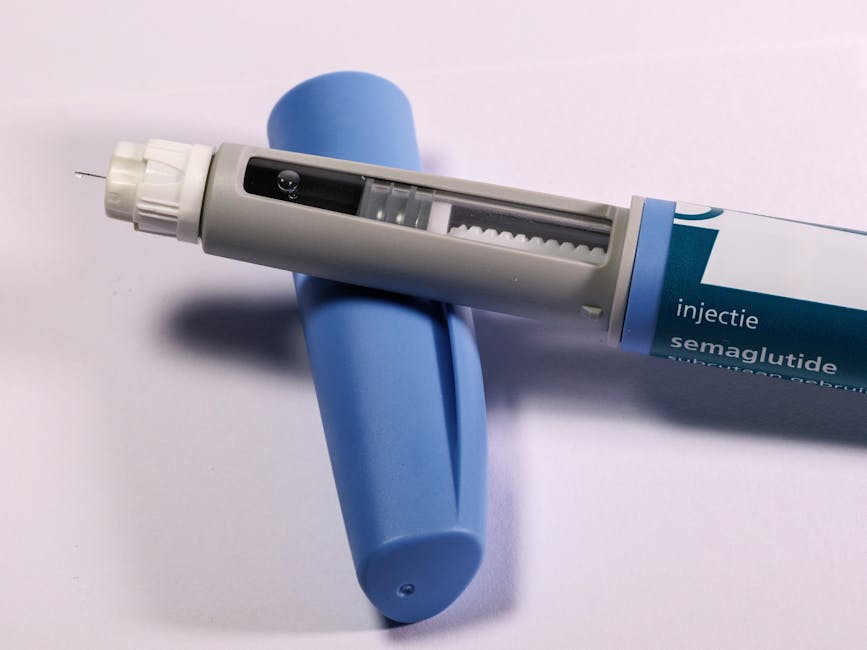
What are the warning signs of eye problems when taking GLP-1 medications?
The primary warning signs of the eye disorder NAION include sudden or gradual loss of vision, which is typically described by patients as painless and non-inflammatory. You might notice a dark patch or shadow in your field of vision, which often begins in the upper or lower half of your sight and may progress rapidly. It is common for this vision loss to be sudden, appearing upon waking or during routine daily activities. Because the condition affects the blood supply to the optic nerve, the loss of vision is often permanent, though the severity can vary from person to person. Being hyper-aware of these visual changes is the most effective way for patients to detect potential issues before they cause significant, long-term disruption to their daily lives and personal safety.
For instance, if you are a Sydney-based worker who spends significant time reading or using digital screens for your career, you might mistakenly attribute subtle vision fluctuations to screen fatigue or dry eyes. However, the sudden onset of a persistent blind spot or a reduction in visual contrast requires immediate professional evaluation. Many people find it unsettling to consider that a medication meant to improve their overall metabolic health could be linked to such a specific ocular issue. It is completely natural to feel anxious when reading about these reports; however, staying calm and methodical in your approach to health monitoring is far more productive than ignoring symptoms or panicking. If you experience any unexplained vision loss, contact your doctor immediately to discuss these specific concerns.
Effective monitoring involves regular eye examinations, particularly if you have pre-existing risk factors such as high blood pressure or diabetes, which are already associated with vision complications. By tracking any baseline changes in your vision, you and your optometrist can identify anomalies more effectively. Always ensure that your eye care professional is fully aware of any prescription medications you are currently taking, as this information is crucial for an accurate diagnosis. While the risk of NAION remains statistically rare based on the 36 cases reported by the TGA, maintaining a proactive attitude toward your vision health is the best practice for every patient. Regular check-ups with your eye specialist serve as an essential safety net, providing you with peace of mind while you manage your health requirements.
What should you do if you experience vision changes while on Ozempic?
If you experience any sudden change in your vision while using GLP-1 drugs, you should seek urgent medical advice from an eye specialist or attend an emergency department. Do not delay your consultation, as early assessment is critical for identifying whether the symptoms align with the TGA’s warning about NAION or another ocular condition. When speaking with your healthcare provider, ensure you explicitly mention your use of Ozempic, Wegovy, or Mounjaro, as this context allows them to cross-reference your symptoms with the latest safety data provided by the regulator. Your doctor may refer you for specific diagnostic tests, such as a formal visual field examination or an imaging study of the optic nerve, to rule out or confirm the diagnosis.
It is important to remember that not every instance of blurred or altered vision is a sign of an optic nerve disorder. Temporary shifts in blood sugar levels can sometimes cause transient visual disturbances, which are common in those managing diabetes. However, you should never attempt to self-diagnose the cause of your vision problems. By documenting when the symptoms started, how long they lasted, and any specific triggers, you provide your clinician with the data needed for an accurate diagnosis. Taking notes about the nature of the vision loss—such as whether it is in one eye or both, or if it is associated with headaches—can also be incredibly helpful for your medical team during the triage process. In addition to seeking immediate medical help, you should report any adverse effects you suspect are linked to your medication to the TGA through their official reporting portal. This collective reporting system helps the health authorities track the safety profiles of medications and ensures that updated information is distributed to the wider public and medical community. As an Australian patient, you are part of a regulatory framework designed to prioritise your safety; engaging with this process contributes to the overall vigilance of our healthcare system. Always prioritise your physical health over the convenience of a prescription, and ensure your treatment plan is robustly reviewed whenever new safety information surfaces in the medical literature or government health alerts.
How common are vision problems among Ozempic users?
Vision problems linked to GLP-1 drugs like Ozempic remain statistically rare, with the TGA identifying 36 cases of NAION across the entire population of users in Australia. When compared to the massive volume of prescriptions dispensed for diabetes and weight management, this figure represents a very small proportion of patients. Nevertheless, the significance of these 36 cases has led to official updates in product information. It is helpful to consider this in the context of your overall health. Many patients use these drugs successfully without encountering such complications, and the decision to continue or discontinue use must be based on a comprehensive discussion with your doctor regarding your own personal medical history and risk profile. Industry data suggests that the use of GLP-1 receptor agonists has grown substantially, with millions of prescriptions filled annually across the country (Source: PBS data, 2026). When evaluating your personal risk, consider that individuals with pre-existing conditions—such as high blood pressure, elevated cholesterol, or existing vascular issues—may be at a different level of baseline risk compared to the general population. Because NAION is inherently tied to blood circulation in the eye, patients with comorbidities often require more intensive screening regardless of the medications they are taking. This makes the partnership between you and your healthcare provider the most critical factor in managing your long-term health outcomes while using these medications.
By keeping the incidence rate in perspective, patients can avoid unnecessary alarm while remaining appropriately cautious. The TGA’s role is to ensure that all relevant risks are transparently communicated, which is exactly what has occurred with this update. For most, the therapeutic benefits of managing blood sugar or weight far outweigh the potential for this extremely rare eye condition. However, the update is a reminder that no medication is entirely without side-effect profiles. If you have concerns about your specific risk level, request a review of your cardiovascular and metabolic health during your next consultation. This proactive approach ensures that your treatment plan is tailored specifically to your needs, keeping both your metabolic health and ocular safety in focus.
Who is most at risk for developing eye disorders from Ozempic use?
Individuals with pre-existing cardiovascular risk factors are generally considered more susceptible to optic nerve issues like NAION, as this disorder is fundamentally a vascular condition. Conditions such as hypertension, high cholesterol, diabetes, and sleep apnoea are known to increase the risk of ischemic events (a restriction in blood supply to tissues) throughout the body, including the delicate structures of the eye. Because GLP-1 drugs are primarily prescribed for diabetes and weight management, many users already possess some of these underlying risk factors. Consequently, your personal medical history is the most accurate predictor of your specific vulnerability to such conditions, and it should be the central topic of your discussions with your primary care physician. Age also plays a role in the prevalence of optic nerve disorders, with risk typically increasing in older populations. If you are aged 50 or older, or if you have a family history of optic nerve issues, you may want to discuss a more rigorous eye-screening schedule with your GP. While the current 36 cases reported to the TGA serve as an important data point, they do not suggest that the medication is unsafe for the vast majority of users. Rather, it highlights the importance of screening the right patients at the right time. Your doctor will likely weigh your current metabolic health against these rare risks to determine if the medication remains the safest and most effective path forward for your ongoing treatment plan.
For those feeling uneasy, remember that you can take control by ensuring your lifestyle factors, such as blood pressure management and regular physical activity, are well-supported. These steps not only improve the efficacy of your medication but also lower the overall vascular risk that could contribute to eye-related complications. For those seeking reliable, up-to-date information on medication safety and public health advisories, the Therapeutic Goods Administration (TGA) remains the gold standard for verifying clinical safety warnings in Australia. By staying informed and maintaining consistent communication with your medical team, you can effectively manage your health, ensuring that you benefit from modern medical treatments while minimising your exposure to potential, rare side effects.
Can eye damage from GLP-1 medications be reversed or prevented?
Current medical consensus indicates that damage caused by NAION is often irreversible, which underscores why prevention and early detection remain the primary strategies for managing this risk. There is no specific known preventative medication to stop this eye disorder from occurring in patients using GLP-1 drugs. However, managing your general vascular health is the most effective way to minimise your risk profile. This includes keeping your blood pressure within a healthy range, managing cholesterol levels, and attending regular, comprehensive eye examinations where a professional can monitor the health of your optic nerve. Prevention in this context is less about avoiding the drug itself and more about optimising your systemic health to support ocular perfusion (the flow of blood through the eye). If you or your family members are concerned about potential vision loss, the most practical takeaway is to establish a strong working relationship with an optometrist or ophthalmologist. They can provide a baseline assessment of your eye health, which allows for the detection of subtle changes before they manifest as sudden vision loss. For instance, if you’re a patient with long-standing diabetes, you are likely already undergoing regular retinal screenings; simply ensuring that your eye specialist is updated on your prescription medication usage is a vital step in comprehensive care. Taking these precautions empowers you to make informed decisions about your medication while keeping your vision health as a priority throughout your treatment journey.
While the prospect of irreversible damage sounds daunting, it is important to remember that millions of people use these medications safely. The goal of the TGA’s warning is to ensure that patients and doctors are alert, not to cause widespread alarm. By fostering an open dialogue with your healthcare providers and attending all scheduled check-ups, you are doing everything within your power to protect your vision. Should you ever feel that your medication is affecting your daily well-being, speak to your doctor immediately. They can help you adjust your dosage or switch to an alternative therapy if necessary, ensuring that your health outcomes—including your Ozempic side effects profile—are managed with the utmost care and professional clinical oversight.