
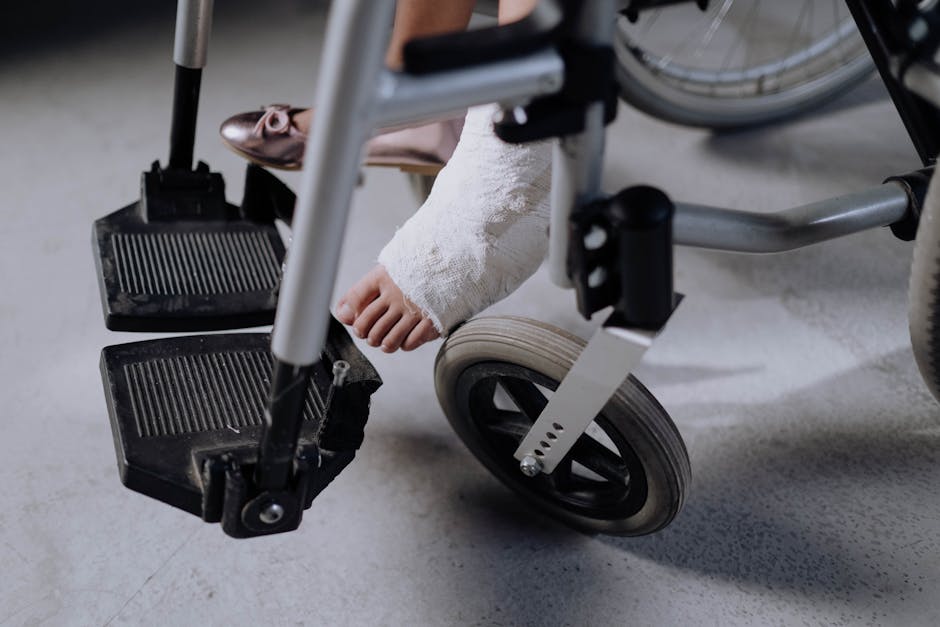
Personal injury law applies extensively to e-scooter accidents, with riders, companies, and property owners all potentially facing liability depending on the circumstances of each incident. The rapid growth of e-scooter usage in Australian cities has led to a significant increase in related injuries, with NSW Health data indicating that e-scooter injuries requiring hospitalisation increased by over 300% between 2019 and 2022.
When I first witnessed an e-scooter accident in Sydney’s CBD, it was overwhelming to see how quickly a simple commute turned into a complex legal and insurance situation. Understanding your rights and responsibilities is crucial whether you’re a rider, pedestrian, or property owner.
The legal landscape surrounding e-scooters involves multiple layers of regulation, insurance coverage, and liability considerations that can significantly impact your financial wellbeing if an accident occurs.
Most Common E-Scooter Injuries and Personal Injury Claims
Head injuries, fractures, and soft tissue damage represent the majority of e-scooter-related personal injury law cases in Australia. According to recent hospital data, approximately 70% of e-scooter injuries involve the head, arms, or legs, with many requiring surgical intervention costing thousands of dollars in medical expenses.
The most frequent accident scenarios leading to claims include collisions with vehicles, pedestrians, or stationary objects, as well as mechanical failures and sudden stops. Falls from defective scooters or those with inadequate maintenance often result in the most severe injuries and highest compensation claims.
Soft tissue injuries, while less dramatic, can lead to ongoing medical costs and lost income claims. These cases often involve complex assessments of long-term impact on earning capacity and quality of life.
Legal Liability: Who’s Responsible for E-Scooter Accidents?
Multiple parties can bear legal responsibility in e-scooter accidents, including the rider, scooter company, local councils, and property owners where accidents occur. The determination of liability often depends on factors such as rider behaviour, equipment maintenance, and environmental conditions at the accident site.
E-scooter companies may face liability if accidents result from mechanical defects, inadequate maintenance, or failure to provide proper safety instructions. Riders can be held responsible for violations of traffic laws, riding under the influence, or operating scooters in prohibited areas.
Property owners and councils may share liability if poor road conditions, inadequate signage, or hazardous parking arrangements contribute to accidents. Personal injury law in these cases often involves comparative negligence (where fault is shared between parties based on their contribution to the accident).
Insurance Coverage and Compensation Options
E-scooter company insurance typically covers third-party liability but may not extend to rider injuries, leaving significant gaps in coverage that can result in substantial out-of-pocket expenses. Most major e-scooter operators in Australia carry public liability insurance ranging from $10 million to $20 million, but policy exclusions can limit actual coverage.
Personal accident insurance becomes crucial for regular e-scooter users, as standard health insurance may not cover all associated costs including lost income and rehabilitation expenses. Many Australians are surprised by how limited their existing coverage proves to be in e-scooter accident scenarios.
Comprehensive motor vehicle insurance generally doesn’t cover e-scooter accidents, creating a protection gap that riders should address through dedicated personal accident or travel insurance policies. Income protection insurance can also play a vital role in covering lost wages during recovery periods.
Filing Personal Injury Claims and Legal Costs
Personal injury lawyers in Australia typically work on a ‘no win, no fee’ basis for e-scooter cases, with legal costs ranging from 25% to 40% of any settlement or award. The complexity of determining liability often requires expert witnesses and detailed accident reconstruction, which can extend case timelines to 12-24 months.
Essential evidence for successful claims includes medical records, witness statements, photographs of the accident scene, and maintenance records of the e-scooter involved. Police reports, where available, provide crucial documentation for establishing the circumstances of accidents.
Compensation can cover medical expenses, lost income, pain and suffering, and future care costs, with settlements in serious cases potentially reaching hundreds of thousands of dollars. The key is acting quickly to preserve evidence and seek appropriate legal advice.
Protecting Yourself: Safety and Insurance Considerations
Understanding e-scooter safety regulations and ensuring adequate insurance coverage protects both your physical wellbeing and financial security. Before your next ride, consider reviewing your current insurance policies to identify potential gaps in coverage.
Take time to compare personal accident insurance options and speak with insurance professionals about e-scooter-specific coverage. Your financial protection is just as important as wearing a helmet – both can save you from significant long-term consequences.
Photo by cottonbro studio via Pexels