
BanksiaPulse Editorial Team For more information, visit the MoneySmart savings guide. BanksiaPulse covers Australian news and finance with AI-assisted research, cross-checked against ATO, ABS, and official government sources. Published: June 25, 2026
Should Australians Consider Eating Possum? A Culinary and Ecological Debate
The question of whether Australians should consider eating possum is a complex one, touching on historical practices, nutritional potential, and significant ecological considerations. While possum meat has been a traditional food source for Indigenous Australians for millennia and was consumed by early European settlers out of necessity, it remains a largely taboo subject for most modern Australians due to cultural perceptions and conservation concerns. BanksiaPulse reports on the emerging discussion around sustainable protein sources, prompting a closer look at this often-overlooked native animal as a potential, albeit controversial, dietary option. Exploring this topic requires an understanding of its legality, preparation, and the broader environmental impact.
What is a possum and why are they considered a food source in Australia?
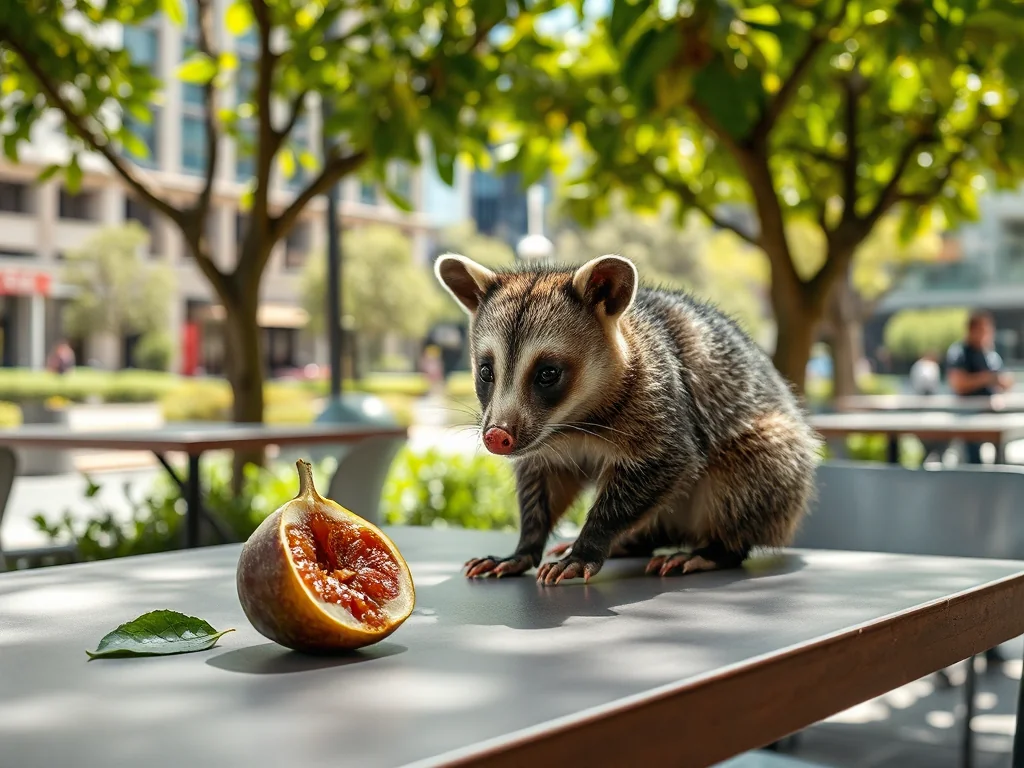
A possum is a nocturnal marsupial native to Australia, with several species found across the continent, the most commonly referenced for consumption being the brushtail possum. These animals are characterized by their arboreal lifestyle, prehensile tails, and diverse diets, primarily consisting of leaves, fruits, and flowers, though some may opportunistically consume insects or bird eggs. Historically, for Indigenous Australian communities, possums were a valuable and readily available food source, hunted sustainably as part of a traditional diet that integrated deep ecological knowledge. The meat provided essential protein and nutrients, and all parts of the animal were utilised, reflecting a profound respect for nature and resourcefulness. Early European settlers, particularly in the 19th and early 20th centuries, also turned to possum meat during times of scarcity or as a common game meat, often hunting them for their fur as well as for sustenance. This historical context highlights that the idea of eating possum is not new, but rather a practice that has largely fallen out of mainstream favour due to changing societal norms, increased availability of other meats, and evolving attitudes towards wildlife conservation and utilisation. The perception of possums has shifted from a food resource to a pest in some urbanised areas, significantly impacting cultural acceptance.
- What is a possum and why are they considered a food source in Australia?
- Is it legal to hunt and eat possum in Australia?
- How do you prepare and cook possum meat for consumption?
- What does possum taste like compared to other game meats?
- What are the health risks and safety concerns of eating possum?
- What are the environmental and ecological benefits of eating possum?
- Are there nutritional benefits to eating possum as a sustainable protein?
The brushtail possum (Trichosurus vulpecula) is a medium-sized marsupial, easily recognisable by its bushy tail and pointed ears. Its adaptability has allowed it to thrive in various Australian environments, from dense forests to suburban gardens. This ubiquity, while problematic for some urban residents, underscores its availability as a potential food source, a fact noted by those advocating for its inclusion in a sustainable diet. Indigenous Australians have long understood the ecological role of possums and incorporated them responsibly into their food systems. For example, traditional hunting practices often involved specific seasons and methods designed to ensure the long-term health of possum populations. This contrasts sharply with the more contemporary view of possums as pests, particularly in New South Wales and Victoria, where they can damage gardens and agricultural crops. Understanding this historical and ecological context is crucial to grasping why possums have been, and in some circles, continue to be, considered a food source.
The ecological role of possums extends beyond being a potential food source. They are consumers of vegetation, contributing to the regulation of plant growth, and they also serve as prey for native predators. Their presence in ecosystems is a sign of a healthy environment, though rapid population increases in urbanised areas can disrupt local flora. For Indigenous communities, the possum was not just food but also held cultural and spiritual significance, interwoven into Dreaming stories and traditional ceremonies. This deep connection highlights a holistic view of nature where animals are integral to both sustenance and cultural identity. The decline in traditional hunting practices and the shift towards Western diets have led to a disconnect from these ancestral foodways for many. However, renewed interest in native Australian foods and bush tucker is prompting a re-evaluation of animals like the possum as a sustainable and culturally relevant protein option. The ethical considerations of consuming a native animal are paramount, requiring a balanced approach that respects both wildlife and tradition.
Is it legal to hunt and eat possum in Australia?
The legality of hunting and consuming possum in Australia is a complex issue that varies significantly between states and territories, with strict regulations in place to protect native wildlife. In most Australian jurisdictions, it is illegal to hunt or capture native animals, including possums, without a specific permit or license. These regulations are primarily designed to conserve native fauna populations, prevent over-exploitation, and manage human-wildlife interactions. For instance, in New South Wales, possums are protected under the Biodiversity Conservation Act 2016, meaning it is generally unlawful to harm or interfere with them unless under specific circumstances, such as for scientific research or through licensed control programs for managing problem animals. The Australian government’s overarching goal is to ensure the survival and health of native species, and unauthorised hunting poses a direct threat to this objective, especially for species that may be vulnerable or have specific ecological roles.
While the general prohibition exists, there are limited exceptions. Indigenous Australians may have traditional rights or exemptions to hunt native animals for personal consumption, subject to specific regulations and consultation with relevant authorities. These rights are often tied to cultural practices and the need to maintain traditional diets. For non-Indigenous individuals or commercial ventures, obtaining permits to hunt or harvest possums is exceptionally difficult and rare, typically requiring a compelling justification related to conservation or pest control, and even then, direct human consumption is rarely the approved outcome. The emphasis is on humane control methods and, where possible, utilising carcasses for research or other approved purposes rather than widespread commercial sale for meat. The Australian Native Animal Health Committee (AusNath) and state wildlife agencies provide guidance on these matters, underscoring the highly regulated nature of any interaction with native fauna. The focus remains firmly on protection and conservation, making unauthorised possum hunting and consumption a serious offence.
The regulatory framework aims to prevent the decline of possum populations, which can occur due to habitat loss, introduced predators, and disease, alongside any potential harvesting pressure. Many states, including Queensland and Victoria, classify specific possum species as protected fauna, meaning any attempt to hunt them without authorisation can result in significant fines and penalties. The reasoning behind these strict laws is to safeguard biodiversity and maintain ecological balance. It’s crucial for anyone considering any interaction with native wildlife to consult the specific legislation and wildlife authority in their state or territory. For example, in Western Australia, the Department of Biodiversity, Conservation and Attractions (DBCA) oversees wildlife management, and their guidelines would need to be followed. The general consensus across Australia is that possum hunting for consumption by the general public is not permitted due to these conservation imperatives.
How do you prepare and cook possum meat for consumption?
Preparing and cooking possum meat for consumption involves techniques similar to those used for other game meats, focusing on tenderising the meat and removing any strong wild flavours. The meat is lean and can become tough if not cooked properly, often requiring slow cooking methods. Traditionally, possum meat was often wrapped in eucalyptus leaves or bark and cooked in an earth oven (a method known as a hangi or similar indigenous cooking techniques), which allowed for slow, even cooking and infused the meat with subtle aromatic flavours. For modern preparation, the first step is to skin and butcher the possum, carefully removing any glands or excess fat that could impart an undesirable taste. Some sources suggest marinating the meat for several hours or even overnight in a mixture of acidic ingredients like vinegar or lemon juice, along with herbs and spices, to help tenderise it and enhance its flavour profile. This process is common for many wild meats to improve texture and palatability.
Common cooking methods for possum meat include stewing, braising, or slow roasting. Stewing or braising, in particular, are excellent for breaking down the tougher muscle fibres, resulting in a more tender and succulent dish. This might involve simmering the meat in a liquid such as stock, wine, or water, along with vegetables like root vegetables (carrots, potatoes, onions) and herbs, for an extended period until the meat is fork-tender. The flavour of possum meat is often described as rich and gamey, so balancing it with aromatic vegetables and herbs is key. Some recipes suggest pairing it with robust flavours like rosemary, thyme, garlic, and bay leaves. The lean nature of the meat also means it can dry out easily, so ensuring adequate moisture during the cooking process is vital. This can be achieved by basting the meat regularly or by cooking it in a covered pot or Dutch oven.
Before cooking, ensuring the meat is handled hygienically is paramount. Like all wild game, possum meat needs to be thoroughly cleaned and inspected for any signs of disease or parasites. A thorough cooking process, reaching safe internal temperatures, is essential to eliminate potential health risks. Recipes commonly found in historical Australian cookbooks or those focusing on traditional bush tucker often detail methods like making possum pies or curries, where the slow-cooked, tender meat is incorporated into flavourful dishes. These methods leverage the richness of the meat while ensuring it is cooked to a tender consistency. The key takeaway is that patience and specific cooking techniques are required to make possum meat an enjoyable and safe culinary experience, moving beyond its lean texture and distinct flavour. Additional resources are available at the RBA official interest rate data.
What does possum taste like compared to other game meats?
The flavour profile of possum meat is generally described as rich, slightly sweet, and gamey, with a texture that can be compared to rabbit or venison, though often leaner. Its taste is distinct and can vary depending on the possum’s diet, age, and how it was prepared. When properly cooked, particularly through slow-cooking methods like braising or stewing, the meat becomes tender and its natural flavours can be enhanced. The lean nature of possum meat means it lacks the marbling of fat found in domestic meats like beef or lamb, which influences both its texture and how it cooks. This leanness requires careful preparation to prevent it from becoming dry, much like other lean game meats.
Compared to other common game meats, possum can be considered more intensely flavoured than rabbit, which is often described as mild and somewhat nutty. It shares similarities with venison in its richness and slightly sweet undertones, but possum meat is typically leaner than most cuts of deer. Some individuals who have sampled it note a subtle earthiness, which can be influenced by the possum’s diet of native leaves and fruits. For those accustomed to more robust game flavours, possum meat might be an enjoyable experience, while those sensitive to gaminess might find it requires more assertive seasoning or marinades. The preparation method significantly impacts the final taste; for example, grilling or pan-frying lean possum meat without adequate fat or moisture could lead to a drier, tougher result compared to a slow-cooked stew.
The perception of game meat flavours can be highly subjective. What one person finds appealingly “wild” or “earthy,” another might perceive as “strong” or “unpleasant.” Therefore, experiencing possum meat often involves an acquired taste, similar to other less conventional proteins. It’s important to contrast this with meats like kangaroo, which has a distinct metallic tang and a very lean texture, or wild boar, which can be fattier and richer. Possum’s flavour profile tends to sit somewhere in the middle, offering a unique character derived from its native diet and arboreal lifestyle. The success of incorporating possum meat into a meal often hinges on marrying its natural flavour with complementary spices and cooking techniques that enhance its best qualities while mitigating any potential drawbacks of its leanness and distinct taste.
What are the health risks and safety concerns of eating possum?
Consuming possum meat carries potential health risks, primarily related to the transmission of diseases and parasites, if the meat is not handled and cooked with extreme care. Like any wild animal, possums can harbour various pathogens, including bacteria, viruses, and internal parasites. These can pose serious health threats to humans if ingested. A significant concern is the potential presence of diseases like leptospirosis or toxoplasmosis, which can cause flu-like symptoms, more severe organ damage, or complications, particularly for pregnant women and immunocompromised individuals. Thorough inspection of the animal and careful butchering are essential to identify any abnormalities, though many pathogens are microscopic and undetectable by sight alone.
The practice of hunting and preparing wild game for consumption necessitates rigorous hygiene standards to mitigate these risks. This includes wearing gloves during the skinning and butchering process, thoroughly washing hands and all utensils and surfaces with hot, soapy water, and ensuring that any cuts or open wounds on the animal are avoided. Furthermore, improper storage of the meat can lead to bacterial growth. Wild game meat should be chilled promptly after harvesting and kept at safe temperatures (below 5°C or above 60°C) to prevent spoilage and the proliferation of harmful microorganisms. It is advisable to consult with local wildlife health authorities or experienced hunters for guidance on safe handling practices specific to Australian fauna. For example, the New South Wales Department of Primary Industries may offer resources on safe handling of wild game, although specific information on possum consumption is rare due to its limited legal status.
The most critical safety measure is ensuring the meat is cooked to an adequate internal temperature. Thorough cooking is essential to kill any potential pathogens. For possum meat, this typically means cooking it until it is no longer pink and juices run clear, and ideally, using a food thermometer to confirm it reaches a safe internal temperature of at least 74°C (165°F). This is consistent with recommendations for other meats, including pork, poultry, and ground meats, which are known to carry risks if undercooked. While possum meat is lean, its lack of fat means it can overcook quickly if not monitored. However, the priority must remain food safety over texture or flavour. Without strict adherence to hygienic practices and thorough cooking, consuming possum meat can lead to severe gastrointestinal illnesses or more serious systemic infections, making caution and informed preparation absolutely vital.
What are the environmental and ecological benefits of eating possum?
Exploring the environmental and ecological benefits of eating possum involves considering its potential role in managing overabundant populations and reducing reliance on less sustainable protein sources. In certain urban and peri-urban environments, brushtail possum populations can become quite dense, leading to negative impacts on native vegetation through over-browsing. Where populations are deemed to be exceeding ecological carrying capacity and causing environmental damage, a regulated and sustainable harvesting program could theoretically help manage these numbers, thereby alleviating pressure on local ecosystems. This approach aligns with principles of ecological management where harvesting can be a tool to maintain biodiversity and ecosystem health, similar to how some other animal populations are managed globally to prevent ecological imbalance.
Furthermore, incorporating possum meat into the diet could contribute to a more sustainable food system by reducing the environmental footprint associated with conventional livestock farming. Large-scale meat production, particularly beef and lamb, is associated with significant greenhouse gas emissions, land degradation, and water usage. As global demand for protein continues to rise, exploring alternative protein sources with lower environmental impacts becomes increasingly important. Possum meat, as a native species that is already part of the Australian ecosystem, potentially requires fewer resources for production compared to farmed animals. This could lead to a reduction in carbon emissions per kilogram of protein consumed, contributing positively to Australia’s environmental goals. The discussion around bush tucker often highlights these benefits of utilising indigenous species that are already adapted to the local environment and require minimal external inputs.
However, the ecological argument for eating possum is heavily contingent on the premise that populations are indeed overabundant and that harvesting can be managed sustainably. Unregulated or excessive hunting could quickly lead to the decline of possum populations, negating any purported environmental benefits and potentially causing significant ecological harm. Effective management would require robust scientific data on population dynamics, detailed ecological impact assessments, and strict regulatory frameworks, likely implemented by state wildlife authorities. Without such measures, the ecological argument for consumption is speculative and potentially detrimental. The ideal scenario would involve a carefully controlled program, perhaps similar to regulated hunting seasons for deer in some regions, to ensure that any harvesting contributes positively to ecological balance rather than detracting from it.
Are there nutritional benefits to eating possum as a sustainable protein?
Possum meat offers nutritional benefits as a source of lean protein and essential nutrients, presenting it as a potentially valuable component of a sustainable diet. Like many wild game meats, possum is typically very lean, meaning it contains a high proportion of protein relative to its fat content. Protein is crucial for muscle growth and repair, immune function, and overall bodily health. For individuals looking to increase their protein intake without consuming excessive saturated fats, possum meat could be a suitable option. Its leanness also means it is often lower in calories compared to fattier cuts of domestic meats, making it a potentially healthier choice for weight management or general well-being.
Beyond protein, possum meat is likely to be a good source of various vitamins and minerals. While specific comprehensive nutritional data for possum meat is scarce in publicly accessible scientific literature, based on the nutritional profiles of similar lean game meats, it can be inferred to contain iron, zinc, and B vitamins. Iron is vital for oxygen transport in the blood and preventing anaemia, zinc is important for immune function and wound healing, and B vitamins play a critical role in energy metabolism. For Indigenous Australians, traditional diets rich in native game meats like possum provided a broad spectrum of nutrients essential for health and vitality. The consumption of these diverse food sources historically contributed to a balanced intake of micronutrients that might be less abundant in processed or standard Western diets.
The sustainability aspect of possum as a protein source is closely linked to its nutritional profile. If possum populations can be sustainably managed, consuming them offers an alternative to animal agriculture, which has a significant environmental impact. By choosing a protein source that requires minimal input—no feed production, no extensive land clearing for pasture—and is already part of the natural ecosystem, individuals can reduce their carbon footprint. This makes possum meat, from a nutritional and environmental perspective, an interesting proposition for those seeking diversified and sustainable protein options. However, it is crucial to reiterate that the actual nutritional composition and potential health benefits are underscored by the necessity of safe handling and thorough cooking to mitigate risks. The Australian government’s push for more sustainable food practices encourages exploration of diverse, local protein sources, and possum fits this discussion, albeit with significant caveats regarding legality and safety.