
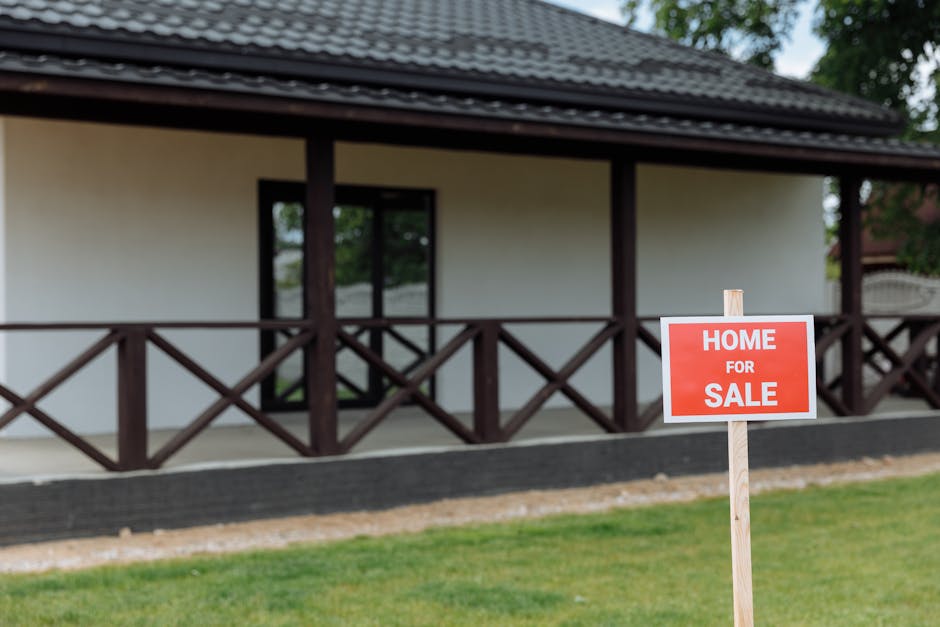
Military Land Redevelopment: Hobart Barracks to Become Housing
Property development in Australia is increasingly turning to underutilised government land, and military bases represent a significant opportunity for urban renewal. The Hobart Barracks redevelopment is a prime example of how strategic property conversion can address critical housing shortages while revitalising local economies.
Tasmania’s housing market is experiencing sustained demand, with property prices in Hobart rising by approximately 8.2% year-on-year (Source: ABS Housing Data, 2024). The conversion of military land into residential property offers a practical solution to housing affordability challenges in Australia’s growing cities.
This redevelopment project signals a broader shift in how governments and developers approach urban planning. Understanding the implications for property investors, first-time buyers, and the broader Hobart community is essential for anyone engaged with the local real estate market.
What is military land redevelopment and how does Hobart Barracks fit into this trend?
Military land redevelopment refers to the conversion of defence force properties into civilian-use developments, typically housing, commercial, or mixed-use projects. This strategy maximises underutilised government assets while generating revenue for public services and creating homes where demand exists.
The Hobart Barracks project exemplifies this national trend. The site, located in a well-connected area of Hobart, is being transformed from a military installation into a substantial residential precinct. Similar conversions have occurred across Australia, with successful examples in New South Wales and Victoria demonstrating strong demand for property on former defence sites.
The economic rationale is compelling: military bases often occupy premium urban land that could serve thousands of residents. By redeveloping these sites, governments free up capital, reduce maintenance costs on ageing defence infrastructure, and address housing shortages simultaneously. This approach aligns with Australia’s national housing policy objectives.
How much will housing units cost at the redeveloped Hobart Barracks property?
Pricing for property at the Hobart Barracks redevelopment will reflect both the location’s premium positioning and Hobart’s current market conditions. While official pricing structures have not been finalised for all stages, preliminary estimates suggest a broad range accommodating different buyer segments.
For context, Hobart property currently trades at a median price of approximately $600,000 to $750,000 for established homes (Source: Core Logic, 2024). The Hobart Barracks development is expected to offer units spanning entry-level apartments through to larger family homes, with prices likely ranging from $400,000 to $1.2 million depending on size and positioning.
Developers have indicated intentions to deliver mixed-tenure housing, meaning some properties may be offered through government schemes targeting first-time buyers or essential workers. This tiered approach ensures the development serves diverse affordability needs across the Hobart community.
What are the potential risks and benefits of buying property in a military redevelopment project?
Investing in property at a military redevelopment site carries distinct advantages and considerations. Understanding both is critical for informed decision-making in this emerging property market segment.
Benefits: Military redevelopments typically occur on large, well-connected sites with established infrastructure. The Hobart location offers proximity to schools, employment hubs, and public transport. Government backing generally ensures development proceeds reliably, reducing the speculative risk associated with smaller private projects. Additionally, new property often qualifies for various buyer assistance schemes and incentives.
Risks: Construction timelines can extend beyond initial projections, delaying possession and potential rental income. The development’s success depends partly on population migration to Hobart continuing, which external factors could disrupt. Property values in new suburbs are sometimes volatile during initial settlement phases, and buyer amenity depends on whether surrounding infrastructure (shops, schools, services) develops in parallel with housing.
For instance, if you’re a Melbourne-based investor considering a $500,000 property purchase at Hobart Barracks, you should factor in construction completion delays, interstate lending regulations, and the time required for the precinct to mature before realising strong capital gains.
Who is eligible to purchase property at the Hobart Barracks housing development?
Eligibility criteria for Hobart Barracks property will depend on the tenure type and any government assistance programs attached to specific dwellings. Most developments of this scale incorporate both open-market and scheme-restricted housing.
Open-market property will be available to any buyer meeting standard lending requirements: proof of deposit, satisfactory credit assessment, and serviceability criteria set by lenders. First-time home buyers should check eligibility for state-based grants and federal first-home buyer schemes, which may apply to eligible properties within the development.
Some dwellings may be reserved for essential workers (teachers, nurses, emergency services) or available through shared equity schemes where government retains partial ownership. Local employment history in Hobart may be a consideration for certain scheme-based properties. Developers and the Tasmanian Government will release detailed eligibility guidelines as each stage launches.
To secure your position early, prospective buyers should register interest with the project developers and maintain contact with local real estate agents monitoring the release schedule.