
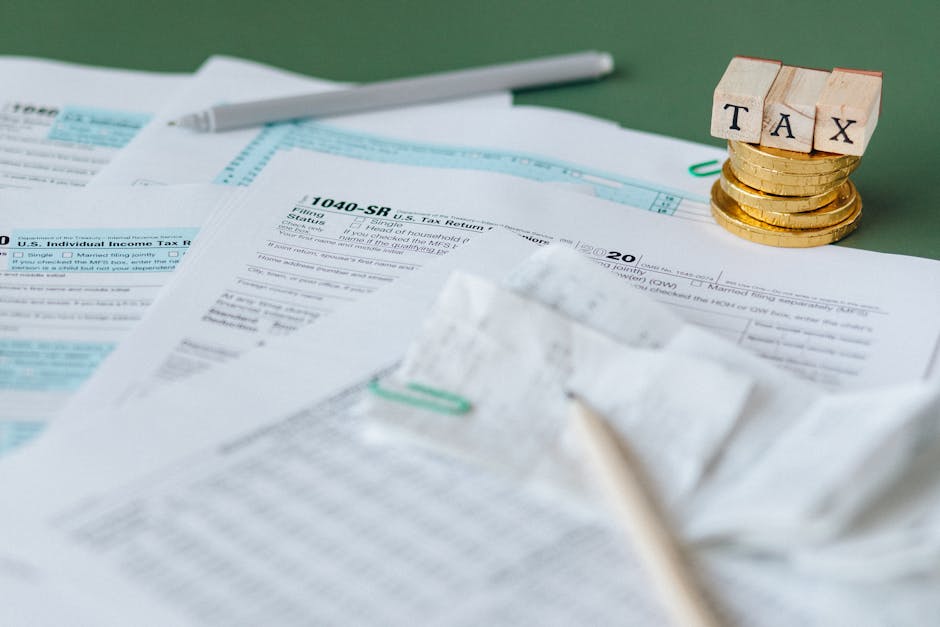
Budget Boost for Home Deposits: Maximising Your Savings
Your tax return represents one of the most direct opportunities to accelerate your home deposit savings. Each year, thousands of Australians receive refunds they could redirect toward their property goals instead of spending them on everyday expenses. According to the Australian Taxation Office, the average tax refund in 2023 was approximately $2,800, a sum that could meaningfully reduce the gap between your current savings and your deposit target (Source: ATO, 2024).
The latest budget changes have introduced several pathways to maximize tax effectiveness while saving for a home. Whether you’re a first-home buyer in NSW or a property investor planning strategically, understanding how to use your tax return as part of your deposit strategy can shorten your timeline to home ownership.
How can you use your tax return to boost your home deposit savings?
Your tax return can function as a lump-sum injection into a dedicated deposit savings account or investment vehicle. Rather than treating it as discretionary income, treating your tax return as a non-negotiable deposit contribution creates momentum toward your goal.
Consider this scenario: a Sydney-based professional earning $65,000 receives a $2,500 tax return. By depositing this directly into a high-interest savings account earning 4.25% per annum, they accumulate an additional $1,062.50 over two years if they don’t touch it (Source: Industry data suggests current competitive rates, 2024). This demonstrates how small, consistent redirections of refund money compound.
The budget framework supports this through tax-effective investment vehicles. First-home savers can explore concessional contribution options if eligible, though timing and income thresholds matter significantly.
What are the best strategies for maximizing tax return money toward a down payment?
The smartest approach combines your tax return with deliberate investment positioning. Three primary strategies work well for aspiring home buyers: high-interest savings accounts, offset accounts (if you have an existing mortgage or loan), and investment bonds for longer-term savers.
- High-interest savings accounts offer immediate access and no lock-in periods, ideal if you’re purchasing within 12 months
- Offset accounts reduce interest on investment loans while you accumulate your deposit
- Investment bonds provide tax-deferred growth for buyers with a 5+ year timeline
For Korean-Australian property buyers and other culturally diverse communities in Australia, managing multiple financial goals alongside home savings means tax returns become even more valuable. Many families send remittances while saving domestically, making every refund dollar count twice.
Are there eligibility requirements or restrictions on using tax returns for home deposits?
Tax returns themselves carry no restrictions on use—you’re free to spend refunded money however you choose. However, certain government schemes do have eligibility caps that affect how much tax-effective benefit you receive.
First-home buyer grants and concessions vary by state. NSW, for example, offers duty concessions for properties under certain values. If you’re combining a tax return with these schemes, verify your income doesn’t exceed the threshold (typically $80,000–$133,000 depending on the property value). Your accountant or a mortgage broker can confirm your specific eligibility.
Additionally, if you’re contributing to superannuation as a first-home saver, the annual contribution limit is $27,500 per financial year (Source: Services Australia). This constraint means you can’t simply dump unlimited tax returns into concessional super accounts; you must stay within annual caps.
What are the risks of relying on tax returns as your primary deposit savings strategy?
The core risk is unpredictability. Tax refunds fluctuate year to year based on your employment circumstances, deductions, and life changes. If you lose your job or reduce work hours, your next refund shrinks or disappears entirely, disrupting your savings momentum.
Relying solely on annual tax returns also means you’re saving at an inconsistent pace. Property markets move faster than tax cycles. Over 12 months without regular contributions between refunds, you miss compound growth opportunities and may fall behind rising property prices.
A balanced approach uses your tax return as an accelerator, not the engine. Establish a consistent bi-weekly or monthly deposit habit outside tax season. When your refund arrives, direct it to your deposit goal, but don’t abandon your regular savings discipline in the interim months.
Smart home deposit saving combines your tax return with steady contributions and tax-effective vehicles. Start by maximizing your current-year refund through claimed deductions—medical expenses, work-related costs, and professional fees all reduce your taxable income and boost next year’s refund (Source: ATO, 2024).
Your deposit goal shouldn’t hinge on a single tax return. Instead, use each refund as a milestone boost toward a savings target you’re hitting through consistent effort. Review your tax position annually with an accountant to identify deduction opportunities, and direct those savings deliberately toward your home purchase timeline.
Ready to take action? Speak with a mortgage broker about your deposit timeline and eligible government schemes in your state. They’ll help you coordinate your tax strategy with your borrowing strategy, ensuring every refund dollar works toward your property goal.