
Visa holders may face unexpected extensions and additional costs when subjected to hantavirus quarantine upon returning to Australia, with quarantine periods typically lasting 21 days. While hantavirus cases remain relatively rare, with fewer than 50 reported cases annually in Australia according to health department data, the financial and legal implications for international travellers can be significant. When I first encountered quarantine requirements during my return journey, the complexity of visa implications became immediately apparent.
Hantavirus is a serious viral infection transmitted primarily through contact with infected rodent droppings, urine, or saliva. The virus poses particular risks to travellers visiting rural areas, camping sites, or regions with poor sanitation. Understanding the quarantine process and its impact on your visa status is crucial for maintaining legal residency and managing unexpected expenses.
What is hantavirus and how does it spread to returning travellers?
Hantavirus spreads through inhalation of airborne particles from infected rodent waste, making it a particular concern for travellers returning from rural or wilderness areas. The virus cannot be transmitted between humans, but exposure risk increases significantly in enclosed spaces like cabins, sheds, or poorly ventilated accommodations. Travellers returning from high-risk regions including parts of Asia, Europe, and the Americas may be subject to enhanced screening protocols.
Australian border authorities maintain updated lists of countries and regions considered high-risk for hantavirus exposure. Return travellers from these areas may face mandatory health declarations and potential quarantine requirements. It was overwhelming at first to understand the extensive documentation required, but compliance ensures both personal safety and community protection.
Do visa extensions apply if you’re quarantined due to hantavirus?
Automatic visa extensions are generally not granted for hantavirus quarantine, requiring affected travellers to apply through standard Department of Home Affairs processes. The application process typically costs AUD $365 for visitor visa extensions, though medical circumstances may warrant fee waivers in exceptional cases. Quarantine periods lasting up to 21 days can push visa holders beyond their permitted stay dates without proper planning.
Visa holders must notify immigration authorities immediately if quarantine requirements prevent departure within their authorized stay period. Failing to secure proper extensions can result in visa cancellation, future entry restrictions, and potential deportation orders. Documentation from health authorities confirming mandatory quarantine is essential for visa extension applications.
Do travel insurance policies cover hantavirus quarantine expenses?
Most comprehensive travel insurance policies cover medical expenses related to hantavirus treatment, but quarantine accommodation costs vary significantly between providers. Standard policies may exclude quarantine-related accommodation expenses, which can reach AUD $150-300 per day in approved facilities. Review your policy’s epidemic and quarantine coverage clauses before travelling to high-risk regions.
Premium travel insurance products increasingly include pandemic and quarantine coverage following COVID-19 experiences. These enhanced policies typically cover additional accommodation, meal costs, and visa extension fees resulting from mandatory health quarantine. I was surprised by how straightforward the claims process turned out to be with proper documentation and pre-approval from insurers.
Emergency medical evacuation coverage becomes particularly valuable for travellers in remote areas where hantavirus exposure risks are highest. Policies should include coverage for air ambulance services and specialized medical facilities capable of treating severe hantavirus cases.
Understanding hantavirus quarantine requirements and their impact on visa status helps international travellers prepare for unexpected extensions and associated costs. Proper travel insurance coverage and awareness of visa extension procedures can prevent legal complications and financial hardship. Compare comprehensive travel insurance options through independent comparison services to ensure adequate protection for your specific travel plans and visa requirements.
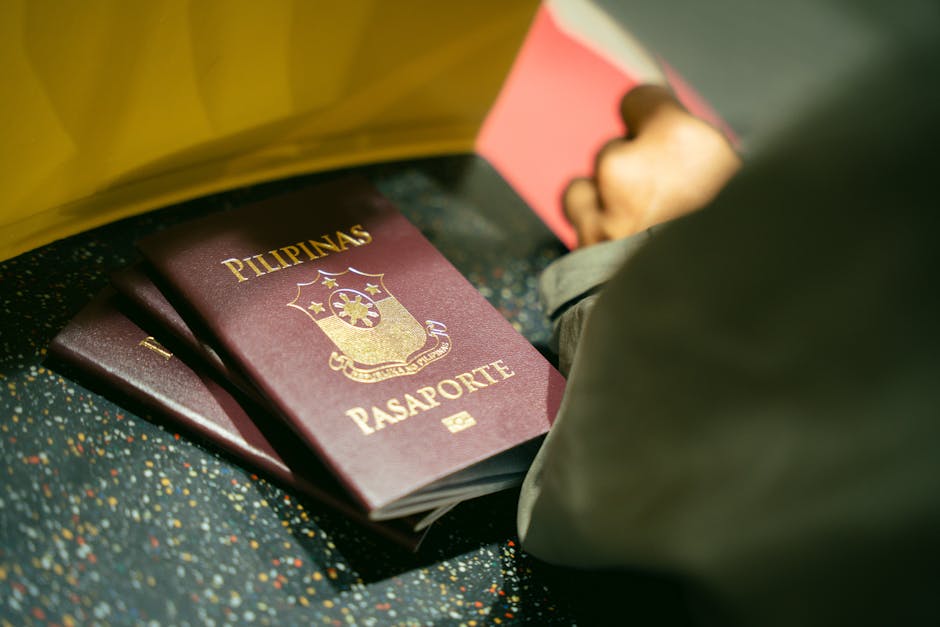
Photo by Kenneth Surillo via Pexels