
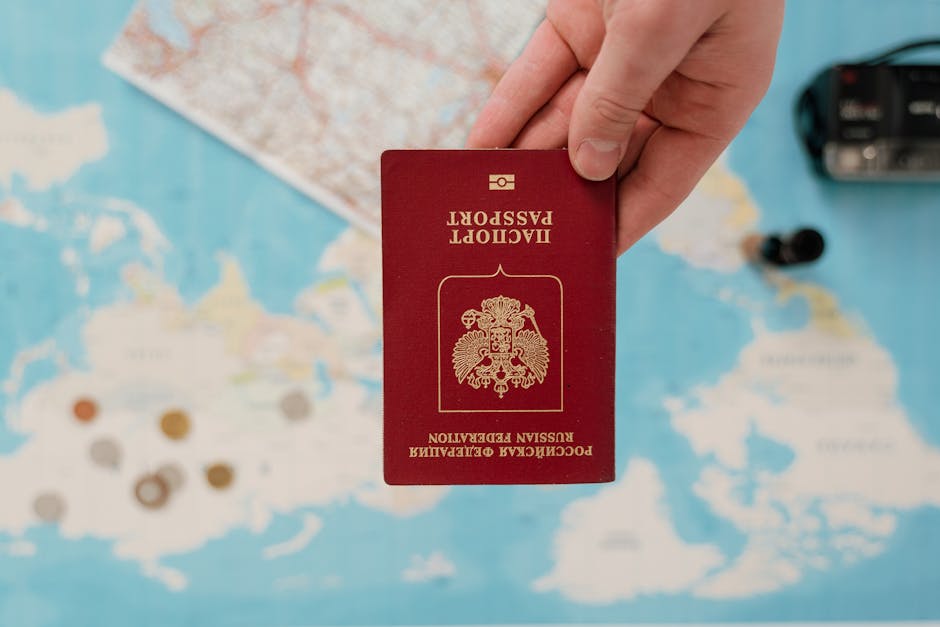
Geopolitical Tensions: Australian Activists Detained in Israel and Diplomatic Fallout
A visa is a formal authorization document that permits entry and stay in a foreign country, and its status can be fundamentally altered by political activities and diplomatic tensions. Recent detention of Australian activists in Israel has highlighted critical gaps in how visas can be revoked or denied based on political conduct, raising urgent questions for Australian travellers. According to the Department of Foreign Affairs and Trade (DFAT), Australia recorded approximately 65,000 departures to Israel in 2022, with travel numbers fluctuating significantly due to geopolitical instability. (Source: DFAT)
The detention incidents have sparked considerable concern among the Australian expatriate and activist communities, particularly regarding consular support accessibility and the long-term implications for future travel eligibility. Understanding the intersection between visa policy, diplomatic relations, and personal activism has become essential for Australians planning Middle Eastern travel.
What visa requirements do Australian citizens need to enter Israel, and how have recent tensions affected travel documentation?
Australian citizens do not require a pre-arranged visa to enter Israel and can obtain a visitor permit upon arrival at designated entry points, valid for up to three months. However, recent geopolitical tensions have indirectly influenced travel documentation practices, with DFAT updating its travel advisory status multiple times throughout 2023-2024. (Source: DFAT Travel Advisories) The visa exemption arrangement remains technically unchanged, yet processing at borders has become more rigorous.
Entry requirements now typically include a valid Australian passport (with at least six months validity), proof of onward travel, and evidence of sufficient funds for the visit. Travel advisories currently recommend exercising increased caution when travelling to Israel and the Occupied Palestinian Territories, which may influence travel insurance coverage and employer policies.
Can Australian activists lose their visa or face visa cancellation due to political activities in Israel?
Yes, Australian activists can face visa cancellation or denial of future entry based on political activities conducted within Israeli territory, though the legal grounds depend on whether actions violate Israeli law or breach the conditions of the initial visitor permit. Israel’s security apparatus maintains broad authority to deny entry or cancel permits for individuals deemed security threats, regardless of nationality. Consider the scenario of a Sydney-based environmental activist who participated in demonstrations in the West Bank without explicit authorization from Israeli authorities; such conduct could result in immediate deportation and blacklisting from future entry. (Source: Israeli Interior Ministry)
The Australian Government provides limited intervention in cases where citizens face legal consequences for activities conducted in sovereign foreign jurisdictions. Consular assistance focuses on ensuring fair legal process rather than overriding host nation security decisions.
What are the risks of visa denial for Australians with activism records when applying for Israeli entry?
Australians with documented activism records targeting Israel face significant visa denial risks, as Israeli immigration authorities conduct extensive background checks and cross-reference international security databases. The risk is not theoretical: multiple Australian activists have reported visa denials citing “security concerns” without detailed explanation. The opaque nature of these decisions means individuals cannot reliably predict eligibility until applying, creating financial and planning uncertainty.
Prior arrests, social media activity, organizational affiliations, and travel history to Palestinian territories may all factor into denial decisions. No formal appeals mechanism exists that provides transparent review of Israeli visa decisions to Australian nationals.
How do Australian diplomatic incidents impact visa processing times and eligibility for future Israeli travel?
Australian diplomatic incidents with Israel directly correlate with longer visa processing times and stricter eligibility criteria for all Australian travellers, as host nations often implement reciprocal measures during periods of tension. When detention cases become public, Israeli authorities frequently tighten scrutiny of subsequent Australian applications as a precautionary measure. Processing times, typically instantaneous upon arrival under the visa exemption, may extend to weeks or months when diplomatic friction exists.
The Australian Government’s formal responses to detention cases can either accelerate resolution or, conversely, trigger defensive measures from Israeli authorities that affect broader Australian travel eligibility. This creates a collective impact where individual activist incidents carry consequences for unrelated Australian tourists and business travellers seeking entry.
Australians planning travel should consult current DFAT advisories and consider engaging travel insurance that covers political disruption and legal expenses. The Department of Foreign Affairs maintains a 24/7 consular emergency line for Australians abroad, available at +61 2 6261 3305 for those based in NSW seeking guidance on visa complications or detention support.
- Monitor DFAT travel advisories before booking flights
- Register with DFAT’s Smartraveller service for real-time alerts
- Ensure travel insurance explicitly covers geopolitical incidents
- Avoid political demonstrations unless explicitly permitted by Israeli authorities
- Maintain contact details for Australian diplomatic missions in the region
The interconnection between visa policy, consular support, and geopolitical stability requires Australian travellers to adopt a proactive, informed approach. Recent detention incidents underscore the reality that a visa, while technically granted, exists within a complex framework of national security, diplomatic relations, and individual conduct.
For Australians concerned about existing visa eligibility or planning travel to Israel, contact the Department of Foreign Affairs and Trade directly or visit the official Smartraveller website for the most current guidance. Ensure your travel plans align with current advisory levels and consider consulting a migration lawyer if you have prior activism records that might affect entry eligibility.