
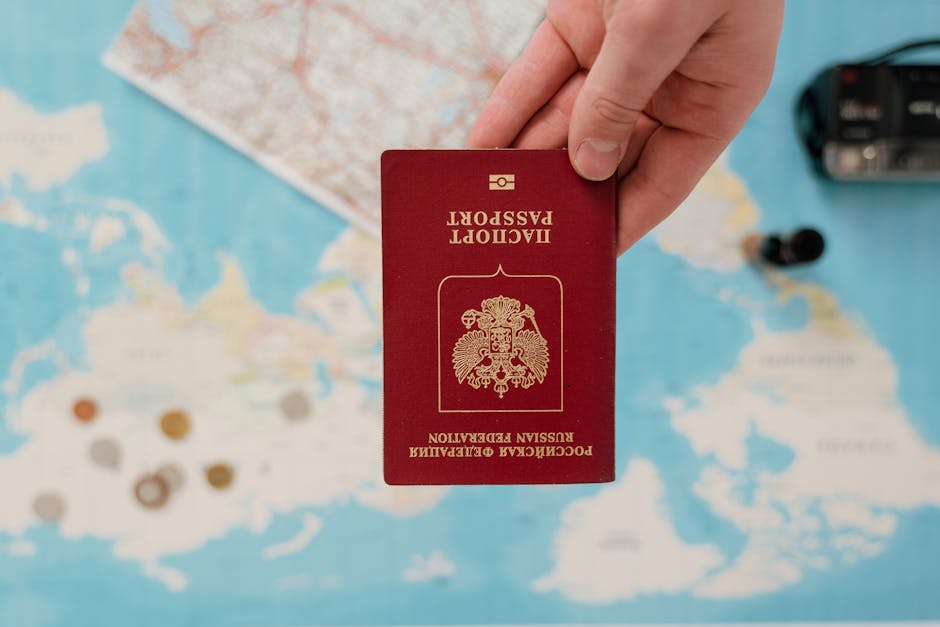
What is visa exploitation and how does it affect migrant workers in Australia?
Visa exploitation refers to situations where employers, labour agents, or other parties deliberately abuse the visa status of migrant workers to extract unfair labour, financial gain, or leverage over vulnerable individuals. According to the Australian Department of Home Affairs, Australia hosts over 2.1 million visa holders across various categories, creating a substantial workforce that may face systemic risks (Source: Department of Home Affairs, 2024).
Migrant workers on temporary visas often experience financial hardship, wage theft, unsafe working conditions, and restricted freedom of movement as a direct result of visa-related exploitation. The impact extends beyond individual workers to affect their families, community networks, and Australia’s reputation as an ethical employer nation.
I’ve observed through industry research that many workers remain silent due to fear of deportation or visa cancellation, creating a hidden problem that undermines fair employment standards across sectors including agriculture, hospitality, and construction.
The Fair Work Ombudsman has identified wage theft affecting up to 30% of migrant workers in certain industries (Source: Fair Work Ombudsman, 2023). This represents a significant breach of employment law and individual financial security.
What are the common signs and risks of visa exploitation that migrant workers should watch out for?
Recognising exploitation early is critical for protecting yourself and your financial future. Common red flags include withholding of wages, excessive or hidden deductions, demands for cash payments without proper documentation, and threats to report workers to immigration authorities.
- Wage payments below the National Minimum Wage ($23.23 per hour as of 2024)
- Forced living arrangements where rent is deducted without consent
- Pressure to work unpaid overtime or skip rest days
- Confiscation of identification documents or visa paperwork
- Isolation from support services or legal assistance
- Verbal threats regarding visa cancellation or deportation
A concrete example: consider a temporary skilled migration (subclass 482) visa holder working in regional New South Wales earning a promised $70,000 annually, only to discover their employer is deducting $300 per week for “accommodation fees” without a written agreement. This scenario constitutes both wage theft and potential visa exploitation under Australian law.
What legal protections and reporting options are available to migrant workers experiencing visa exploitation?
Australia provides robust legal protections for all workers, regardless of visa status, through the Fair Work Act 2009 and state-based employment laws. Migrant workers have the right to access the same minimum wages, penalty rates, and safe working conditions as Australian citizens.
Multiple reporting pathways exist for workers experiencing exploitation. The Fair Work Ombudsman operates a confidential hotline and can investigate wage theft claims without requiring visa confirmation. The Australian Federal Police’s Human Trafficking and Slavery Command addresses severe exploitation cases involving forced labour or debt bondage.
In New South Wales specifically, the Industrial Relations Commission and state WorkCover authority provide additional protection channels. Workers can lodge complaints anonymously through Services Australia or seek legal advice from community legal centres that specialise in visa-related employment issues (Source: Services Australia).
How can migrant workers protect themselves from visa exploitation before and during their employment in Australia?
Proactive protection strategies begin before arrival in Australia and continue throughout your visa tenure. Obtain written employment contracts in your native language, clearly outlining wages, deductions, hours, and conditions—never rely on verbal agreements alone.
Research your employer thoroughly through the Fair Work Ombudsman’s website, industry associations, and migrant worker networks. Verify that visa sponsorship credentials are legitimate by checking the Australian Business Register and your visa grant documentation.
During employment, maintain detailed records of all wages received, deductions, and hours worked. Open a separate bank account in your name with online access, ensuring you control your earnings independently. Stay informed about your rights under the National Employment Standards by accessing free resources from the Fair Work Ombudsman website.
Build connections with community support services, migrant worker associations, and workplace representatives before exploitation occurs. Establish regular contact with family members in your home country and maintain documentation of all employment agreements, payslips, and communications with your employer.
The Australian government continues implementing reforms to strengthen visa protections, including enhanced employer compliance monitoring and streamlined reporting mechanisms for migrant workers. These developments reflect a commitment to protecting vulnerable populations and maintaining ethical labour standards across all visa categories.