
Visa holders in Australia maintain their legal status regardless of community incidents, but understanding reporting obligations and legal protections becomes crucial during challenging times. Recent community safety incidents across Australian cities highlight the importance of understanding how such events may impact temporary and permanent residents navigating our multicultural society. According to the Department of Home Affairs, over 1.95 million people currently hold various visa types in Australia, making community safety and legal awareness essential for all residents.
When I first arrived in Australia as a student, understanding my legal obligations felt overwhelming at first, particularly regarding what incidents required official reporting. Community safety incidents can create uncertainty for visa holders about their responsibilities and rights under Australian law. The intersection of immigration status and community involvement requires clear understanding of legal frameworks that protect all residents.
What Documentation Do Visa Applicants Need Regarding Character and Community Safety?
Character requirements remain fundamental to Australian visa applications, with applicants needing police clearances from countries where they’ve lived for 12 months or more in the past 10 years. The Department of Home Affairs assesses character through criminal history checks, involvement in activities that might threaten Australian security, and associations with individuals or organizations of concern. Community safety incidents don’t automatically disqualify visa applications unless direct involvement or criminal charges result.
Applicants must declare any charges, convictions, or ongoing legal proceedings during their application process. Failure to disclose relevant information can result in visa refusal or cancellation, regardless of the incident’s nature. Legal advice becomes essential when determining disclosure requirements, particularly for complex situations involving community incidents.
How Do International Students Maintain Their Visa Status While Dealing With Incident-Related Trauma?
Student visa holders experiencing trauma from community incidents can access support services without jeopardizing their visa status, provided they continue meeting core visa conditions. Educational institutions must provide reasonable adjustments for students affected by traumatic events, including extended deadlines and counseling services. The key requirement involves maintaining satisfactory academic progress while utilizing available support systems.
Universities across NSW and other states offer specialized support for international students, including mental health services and academic accommodations. Students should communicate with their institution’s international student services immediately if incident-related trauma affects their studies. Early intervention prevents potential visa compliance issues while ensuring appropriate support.
Are Visa Holders Required to Report Involvement in Community Safety Incidents to Immigration?
Visa holders must report criminal charges or convictions to the Department of Home Affairs, but witnessing or being affected by community incidents doesn’t require automatic immigration reporting. The distinction lies between being a victim or witness versus being charged with criminal offenses related to the incident. Reporting obligations apply when visa holders face charges that could affect their character assessment.
Legal practitioners recommend immediate disclosure of any criminal charges to avoid potential visa cancellation for failing to notify authorities. Community involvement in positive initiatives, such as interfaith dialogue or community safety programs, actually supports visa applications and renewals. According to recent estimates, over 85% of character-related visa issues stem from non-disclosure rather than the incidents themselves.
Understanding your rights and obligations as a visa holder during challenging community situations requires professional guidance. Whether you’re navigating character requirements, seeking trauma support, or understanding reporting obligations, proper legal and financial planning becomes essential.
Consider comparing professional indemnity insurance options or seeking advice from qualified migration agents to protect your interests and ensure compliance with Australian immigration law. Your safety, legal status, and financial security deserve comprehensive protection during uncertain times.
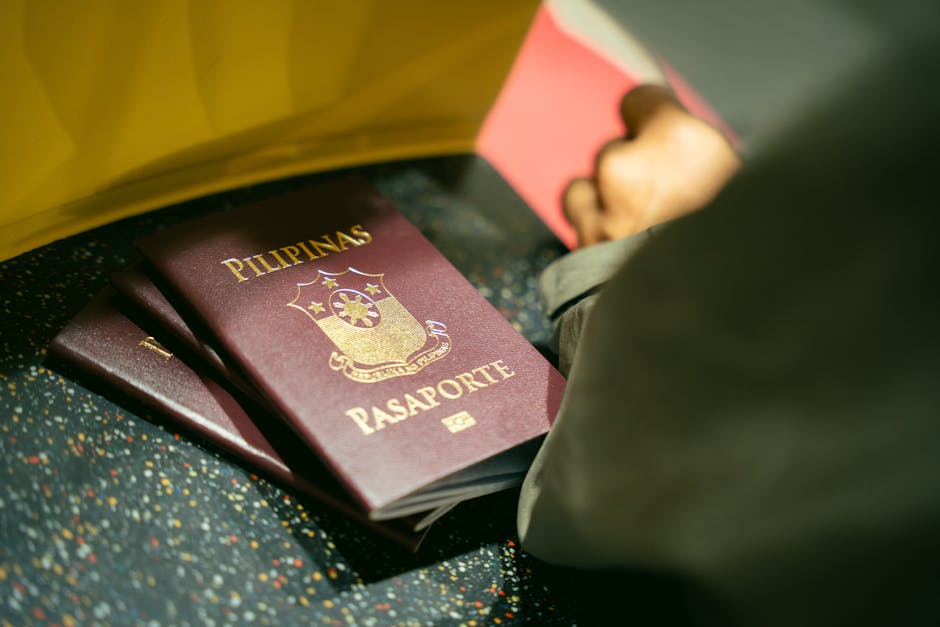
Photo by Kenneth Surillo via Pexels