
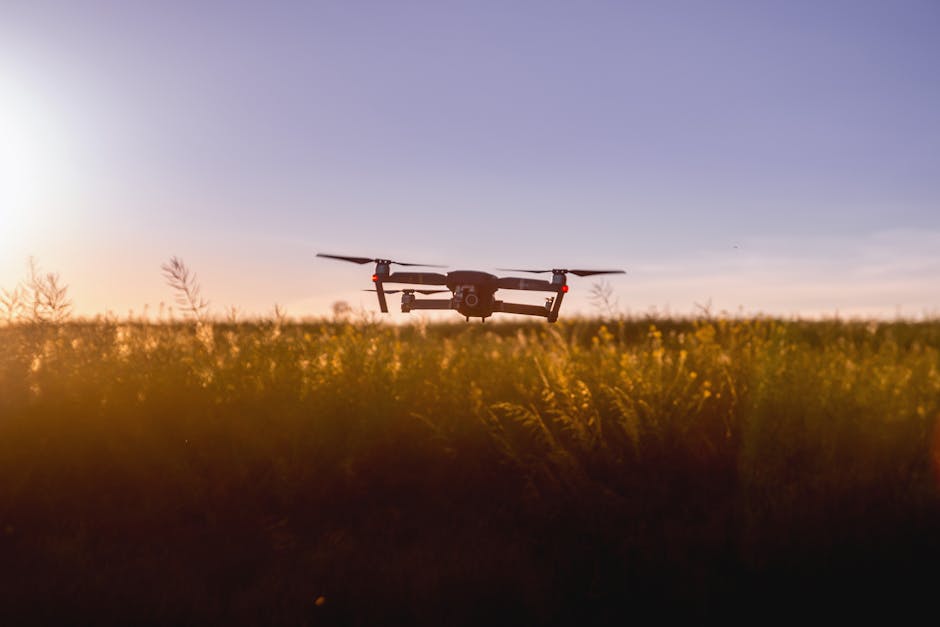
Innovation in Australia: The Future of Drone Technology and Event Management
Drone technology refers to unmanned aerial vehicles (UAVs) equipped with cameras and sensors that operate remotely or autonomously. In Australia, drone technology is transforming event management by capturing stunning aerial footage, monitoring crowds, and delivering entertainment that would be impossible with traditional methods. According to the Civil Aviation Safety Authority (CASA), the commercial drone market in Australia is expected to reach $3.2 billion by 2030 (Source: CASA). Events ranging from music festivals in Melbourne to corporate conferences in Sydney now employ drones for everything from live streaming to real-time safety monitoring.
The shift toward drone technology reflects broader changes in how Australian businesses approach innovation and customer experience. Event organisers recognise that drones offer competitive advantages—better visuals, enhanced safety protocols, and data-driven insights—while audiences expect more dynamic, immersive experiences.
What is drone technology and how is it being used in Australian event management?
Drone technology in event management encompasses multiple applications beyond simple aerial photography. Event organisers now use drones for live broadcast coverage, crowd management analysis, emergency response coordination, and even light shows. Major Australian festivals, including Splendour in the Grass in Byron Bay, have incorporated drone displays to create unforgettable visual moments for attendees.
For corporate events, drones capture overhead shots of product launches and conferences, providing sponsors with premium content for marketing. Security teams deploy drones to monitor large crowds in real time, identifying potential hazards before they escalate. Live drone feeds allow event managers to coordinate responses across vast venues more effectively than ground-based teams alone.
The technology extends to logistics too. Some venues use drones to inspect equipment, survey terrain before setup, and document site conditions for insurance purposes.
What are the regulatory requirements for operating drones at events in Australia?
Operating drones at Australian events requires strict compliance with CASA regulations. All commercial drone operators must hold a Remote Pilot Licence (RePL) and operate under an approved Remote Operator’s Certificate (ReOC) from their organisation (Source: CASA). This represents a significant training and compliance commitment that event organisers must factor into planning.
CASA mandates that drones remain within visual line of sight, maintain minimum distances from people (typically 30 metres during normal operations), and avoid flying over crowds during events unless specific exemptions apply. Events in New South Wales fall under additional state regulations managed by NSW Civil Aviation Safety Regulation. Before deploying drone technology at any event, organisers must submit detailed flight plans to CASA at least 20 working days in advance.
Obtaining exemptions for crowd-flying operations—such as drone light shows overhead—requires evidence of robust safety systems, insurance coverage, and pilot qualifications. The process demands professional consultation and typically adds 8–12 weeks to event planning timelines.
How much does drone technology cost for event planning and what are the budget considerations?
Drone technology costs vary dramatically depending on application and scale. Entry-level commercial drones range from $3,000 to $8,000, while professional cinema-grade systems exceed $20,000 (Source: Australian Drone Industry Association). However, equipment alone doesn’t capture true costs for events.
For instance, if you’re planning a mid-sized corporate event in Brisbane and want professional aerial coverage, budget should include: drone rental ($500–$2,000 per day), licensed pilot fees ($1,500–$3,000 daily), CASA compliance and insurance ($800–$2,500), and post-production editing (additional $1,000–$5,000). A small festival with basic drone photography might spend $3,000–$5,000 total, whereas large-scale events with extended drone coverage and light shows budget $15,000–$50,000.
Many event organisers now hire specialist drone service providers rather than purchasing equipment outright. This approach transfers regulatory burden, insurance liability, and maintenance costs to professionals while ensuring compliance and quality outcomes.
What are the main risks and safety concerns when using drones at Australian events?
Safety presents the most serious challenge when integrating drone technology into events. Mechanical failure, pilot error, and weather conditions can lead to crashes that injure attendees or damage property. CASA has documented incidents where non-compliant drone operators created hazards at public gatherings, leading to enforcement actions and fines exceeding $10,000.
Privacy concerns also matter. Drones equipped with cameras capturing footage of attendees raise questions about consent, data storage, and misuse. Event organisers must establish clear policies about recording and communicate them to participants. Cybersecurity risks emerge when drones connect to wireless networks; unauthorised access could compromise footage or disable live feeds during critical moments.
Weather conditions—high winds, rain, and low visibility—force cancellations or create hazardous flying environments. Operators must maintain insurance policies specifically covering drone operations at events, as standard event liability insurance often excludes unmanned aircraft.
Drone technology offers genuine advantages for Australian event management, but success depends on treating it as a professional discipline rather than a novelty. Organisers who invest in proper licensing, compliance, insurance, and specialist expertise unlock real value while protecting attendees and their operations. As the sector matures and costs decline, expect drones to become standard across festivals, corporate functions, and live entertainment across the country.
If you’re planning an event and considering drone integration, start by consulting CASA-licensed operators in your region. They’ll help assess feasibility, manage compliance, and deliver results that justify the investment.