
Industrial resurgence through factory-built homes: Australia’s path
An industrial resurgence via manufactured housing offers a potential solution to Australia’s urgent accommodation crisis by shifting construction from traditional sites to streamlined factory environments. At BanksiaPulse, we examine reports from the John Curtin Research Centre suggesting that Australian manufactured housing (AMH) could serve as a pillar for rebuilding our national manufacturing capacity. As of July 26, 2026, experts note that Australia currently faces a systemic crisis in how we build homes, hindering affordability for families across the nation.
What are factory-built homes and how do they differ from traditional construction?
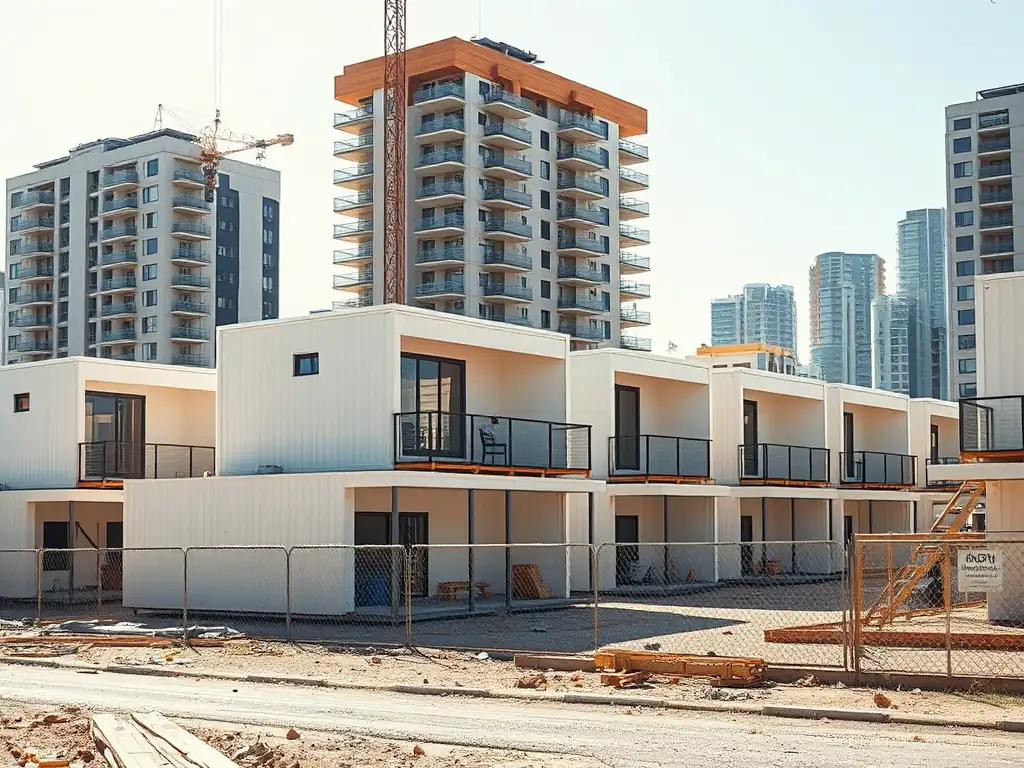
Factory-built homes are residential dwellings constructed in controlled, indoor environments rather than on an open-air building site. Unlike traditional construction, where materials are transported to a block of land and assembled by various tradespeople over many months, these homes are built in segments or modules on an assembly line. This precision manufacturing process ensures that structural components meet rigorous standards before leaving the facility. By moving the majority of the build indoors, builders avoid the significant weather-related delays that often plague conventional Australian housing projects.
This shift in methodology represents a departure from the “stick-built” model, where materials are exposed to the elements for extended periods. In a factory, teams use advanced technology to ensure uniformity, significantly reducing material waste compared to traditional methods where off-cuts are often discarded. For the homeowner, this results in a product with tighter tolerances and higher energy efficiency, provided the assembly is managed correctly. It transforms housing from a bespoke artisanal project into an engineered consumer product designed for scalability and speed.
![[Factory-built home manufacturing line - industrial resurgence]](https://images.pexels.com/photos/14804699/pexels-photo-14804699.jpeg?auto=compress&cs=tinysrgb&h=650&w=940)
The transition to factory-based production requires a shift in how Australians perceive home construction. While traditional homes have relied on site-specific craftsmanship, manufactured housing depends on standardised, high-quality engineering. This transition is essential for addressing the current housing shortfall, as factories can operate continuously throughout the year, independent of local weather conditions or regional labour shortages. By adopting this model, the industry can better align its output with the actual needs of the growing Australian population.
How is the factory-built homes industry contributing to Australia’s industrial resurgence?
By establishing manufactured housing as a central pillar of our national strategy, Australia has the opportunity to reverse decades of deindustrialisation. The John Curtin Research Centre argues that this sector provides a unique pathway to re-industrialise by creating a consistent demand for locally manufactured building components and high-skilled factory jobs. This strategic pivot moves the construction industry away from fragmented, site-based reliance and towards a more efficient, technology-driven manufacturing model that supports long-term economic stability and sovereign industrial capacity.
The potential for an industrial resurgence extends beyond simply building more houses; it involves rebuilding the supply chain for materials like steel, timber, and glass within Australia. When manufacturing is centralised, the demand for raw materials becomes more predictable, allowing domestic suppliers to scale their operations with greater confidence. This creates a multiplier effect throughout the economy, supporting jobs in logistics, engineering, and manufacturing. This approach shifts the economic focus from merely managing land prices to creating tangible, high-value assets through innovation and sustained industrial output.
Investing in this sector ensures that the wealth generated through housing development remains within the Australian economy. Historically, reliance on imported materials and labour has led to economic leakage, where the benefits of housing booms are not fully captured by local industries. By building homes in domestic factories, we create high-quality employment opportunities for workers who have been displaced by the decline of other manufacturing sectors. This transformation turns the housing crisis into a catalyst for a more diverse and resilient national industrial base.
What are the cost savings of choosing factory-built homes over conventional building?
Cost savings in factory-built housing are primarily driven by economies of scale and the reduction of site-related overheads. Because factory production allows for bulk purchasing of materials and the utilisation of specialised, high-efficiency equipment, the overall cost of production is often lower than traditional custom-built alternatives. By minimizing the time spent on-site, owners save on labour costs, site security, and the interest accrued on construction loans, which can significantly reduce the total price tag of a new home.
Furthermore, these structures often benefit from improved energy performance, which translates into lower utility costs over the long term for the occupants. With construction standards for heating and cooling becoming increasingly critical to affordability, the precision of factory manufacturing ensures fewer thermal leaks. According to the Australian Bureau of Statistics, understanding the cost drivers of housing is essential for prospective buyers navigating the current market. By standardising components, factories can pass these savings directly to the consumer, making the dream of homeownership more attainable for many.
For instance, consider a family looking to build on a regional lot where tradespeople are traditionally scarce and expensive to hire. By choosing a factory-built home, they avoid the premium costs associated with transporting specialized crews to remote locations multiple times. The modular segments are often delivered nearly complete, requiring only a brief period of on-site assembly. This efficiency prevents the “budget blowout” scenario common in traditional construction, where delays in site work cause interest costs and rental expenses to accumulate for the owner.
Which Australian states are leading the factory-built homes manufacturing boom?
Victoria and New South Wales are currently at the forefront of the manufactured housing shift, driven by high demand and existing industrial infrastructure. These states possess the necessary logistical networks and access to a skilled manufacturing workforce, allowing for the rapid expansion of factory-based construction hubs. The concentration of population growth in these regions creates a natural market, incentivising private investment into large-scale production facilities that can serve both urban infill and outer-suburban residential developments.
State governments are beginning to recognize the strategic importance of these manufacturing zones, often designating them as critical to the future of the construction industry. While Western Australia and Queensland are also emerging as significant players, the concentration of investment in the southeast remains dominant. As of the latest data from the Australian Taxation Office regarding business investments, firms are increasingly diversifying into modular assembly lines to remain competitive. This geographic concentration ensures that transportation costs from factory to site remain manageable, which is vital for the viability of the manufactured housing business model.
The growth in these specific regions is bolstered by partnerships between industry, research bodies, and state planners. By aligning regional planning policies with industrial capacity, states like Victoria are creating ecosystems where factories can thrive. As the industry matures, we expect to see these hubs expand into secondary cities, providing a more balanced approach to regional development across Australia. This geographic decentralisation of construction manufacturing is essential for meeting the national housing targets established for the coming decade.
What are the main risks and challenges facing Australia’s factory-built homes sector?
The primary challenges for the factory-built sector include overcoming entrenched building regulations and a cultural preference for traditional construction methods. Many local councils operate under zoning and planning laws that were designed for site-built projects, creating friction for modular transport and assembly. Additionally, the industry must secure enough capital to invest in the significant upfront costs of establishing high-tech manufacturing plants. Without a clear commitment from policymakers to streamline these processes, the sector may struggle to scale at the pace required by the current housing demand.
Supply chain fragility remains a significant risk, particularly given Australia’s reliance on global logistics for specialised components. While the strategy aims for an industrial resurgence, achieving true self-sufficiency in the short term is difficult when raw materials or essential manufacturing technology must be imported. Furthermore, the industry faces the challenge of workforce upskilling; the transition from manual on-site trades to high-tech, computer-aided manufacturing requires a significant re-education of the existing construction labour force. Failure to manage this transition could lead to production bottlenecks.
Another critical hurdle is public perception. Consumers often associate manufactured homes with lower quality, unaware of the rigorous engineering standards applied to modern modular builds. This stigma can affect property resale values and financing options, as some lenders may be hesitant to back innovative construction methods. Addressing these challenges requires not only technical excellence but also robust public communication campaigns that highlight the durability, speed, and environmental benefits of factory-built housing. Education is essential to bridge the gap between traditional expectations and modern, efficient construction realities.
What government incentives and policies are supporting industrial resurgence through factory-built homes?
Current government support is increasingly focused on policies that reward efficiency and industrial innovation in the construction sector. While specific national policies are still evolving, state-level initiatives are providing grants and streamlined planning approvals for manufacturers of modular and prefabricated dwellings. These policies are designed to reduce the “red tape” that has historically hampered the growth of this sector, making it easier for manufacturers to establish sites that can produce homes at a lower cost and faster rate.
Policymakers are viewing the sector through the lens of economic sustainability, aiming to reduce the reliance on external housing supply chains. By incentivising domestic manufacturing, the government hopes to create a more resilient pipeline of new dwellings. This is part of a broader shift toward industrial strategies that prioritise local manufacturing capacity as a solution to national crises. The goal is to create a predictable regulatory environment where investment in new technologies is met with favourable tax incentives and support for workforce development programs.
For those in the construction industry, tracking these policy shifts is crucial for planning long-term investments. As governments align their housing and manufacturing agendas, businesses that specialise in factory-built homes may find themselves in a unique position to benefit from government-backed housing projects. This structural support is fundamental to ensuring that manufactured housing moves from a niche construction method to a mainstream solution. By lowering the barrier to entry, these policies effectively clear the path for an industrial resurgence that directly addresses the needs of everyday Australians.