
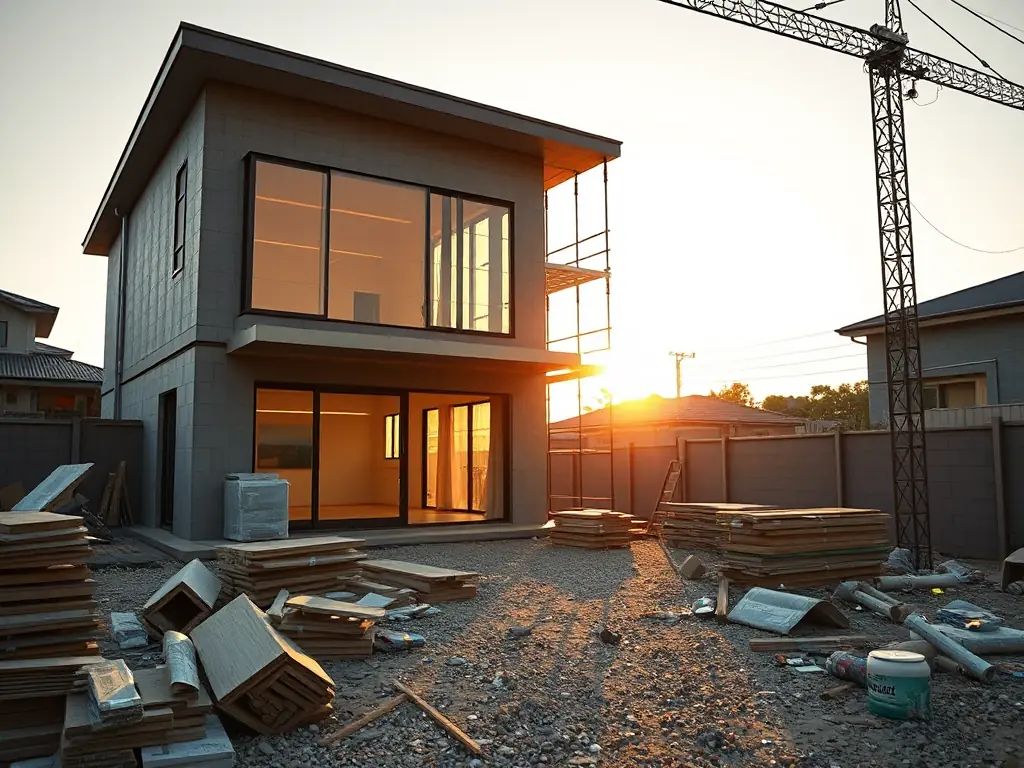
Energy rules Australia: Coalition proposal sparks debate on housing costs
Proposed changes to energy rules Australia wide are currently generating intense public scrutiny, with critics warning that abolishing efficiency standards for new homes could shift significant financial burdens onto households. At BanksiaPulse, we monitor these legislative developments to help you understand how policy changes might impact your long-term cost of living. As of August 13, 2026, concerns remain high that such a shift would deepen existing inequality, particularly for families already struggling with housing affordability pressures in the current economic climate.
- What are the current energy efficiency rules for new homes in Australia?
- How would scrapping energy rules affect the cost of living for Australian homeowners?
- Why are experts calling these changes a “cost-of-living timebomb”?
- Which Australian states are most affected by the proposed changes to energy rules?
- What long-term financial risks do new homeowners face without energy efficiency regulations?
- What can homebuyers do to protect themselves if energy efficiency standards are weakened?
- Frequently Asked Questions
What are the current energy efficiency rules for new homes in Australia?
Current energy efficiency requirements in Australia mandate that new residential builds meet specific thermal performance standards to reduce energy consumption and improve occupant comfort. These regulations are designed to ensure that modern homes are better equipped to handle Australia’s diverse climate zones, which range from the tropical north to the temperate south. By requiring adequate insulation, window glazing, and efficient building materials, these codes aim to lower the ongoing electricity costs faced by residents throughout the property’s lifecycle. These standards are periodically updated to reflect advancements in construction technology and environmental sustainability goals set by various government bodies, including the Australian Bureau of Statistics (ABS), which tracks building activity and associated environmental impacts. Homeowners benefit from these rules through reduced reliance on heating and cooling systems, which can account for a significant portion of a household’s annual utility expenses.
The implementation of these standards typically involves rigorous assessment processes during the design and planning phases of a new home. Builders must demonstrate that their proposed designs reach the required star ratings, ensuring that every new build contributes to a more energy-resilient housing stock. Without these uniform requirements, there is a risk that the quality of new housing could diverge, leading to an increase in “low-efficiency” properties that are expensive to maintain. For families, these standards offer a layer of protection against the volatile energy market, providing a baseline of performance that helps stabilise monthly outgoings. Ensuring that homes are built to a standard that minimises energy waste is widely considered a cornerstone of sustainable urban planning and long-term economic stability for the Australian residential sector.
Compliance with these standards is verified through local government building permits, ensuring that all new developments adhere to the established national or state-level codes. These regulations act as a safeguard for new homebuyers, who may otherwise lack the technical knowledge to assess the thermal performance of a house before purchase. By maintaining these strict guidelines, the government encourages the construction industry to innovate, pushing for better insulation materials and more sustainable design practices. As you navigate the property market, it is essential to recognise that these rules are not merely bureaucratic hurdles but are functional requirements that directly impact your household’s financial health. Understanding the role of these regulations allows you to make informed decisions when buying or building, knowing that a higher-rated home is a strategic investment in lower future energy consumption and higher personal comfort levels.
How would scrapping energy rules affect the cost of living for Australian homeowners?
Abolishing energy efficiency standards could lead to a substantial increase in ongoing living costs for new homeowners who find themselves in properties that require more power to heat and cool. If developers are no longer compelled to incorporate high-grade insulation or energy-efficient windows, the immediate cost of construction might appear lower, but the long-term trade-off is often significantly higher utility bills. This shift risks creating a “cost-of-living timebomb,” where residents in less efficient homes face mounting financial pressure as energy prices fluctuate or increase over time. Research into household expenditure often highlights that utilities represent a major portion of the average family budget, and any policy that removes systemic protections against energy waste can effectively exacerbate wealth inequality across the housing market.
Consider the scenario of a young family purchasing their first home in a region with extreme summer temperatures. In a home built under current efficiency standards, the thermal envelope (the barrier between conditioned and unconditioned air) keeps the interior temperature stable, allowing the air conditioning to run for shorter periods. Conversely, in a home built without these standards, the family would need to run their cooling systems constantly to combat heat gain through walls and roofs. This leads to a persistent, often hidden, tax on the household income. Over a 20-year mortgage period, the cumulative difference in energy costs could reach thousands of dollars, effectively negating any small, initial savings gained during the construction phase. This creates a cycle where those with lower incomes are disproportionately affected by the high operating costs of inefficient housing.
The ripple effect extends beyond individual bank accounts to the broader energy grid, which must work harder to supply peak demand during heatwaves or cold snaps. If a large portion of new housing stock is poorly insulated, the collective strain on energy infrastructure can drive up prices for everyone, not just those living in inefficient homes. It is vital to understand that the “cost” of a house extends far beyond the contract price paid to a builder. By maintaining, or even strengthening, energy efficiency standards, the housing industry ensures that homes remain affordable to operate throughout their lifecycle. For prospective homeowners, the absence of these rules necessitates a much more careful approach to assessing property performance before committing to a purchase, as the long-term financial burden of an inefficient home is rarely offset by lower initial building prices.
Why are experts calling these changes a “cost-of-living timebomb”?
Experts describe the proposed removal of energy efficiency rules as a “cost-of-living timebomb” because it front-loads savings for developers while back-loading massive utility costs onto future owners. This creates a scenario where the initial affordability of a home becomes a trap for households that must suddenly absorb higher monthly energy bills. If the legal requirement to build efficient homes is scrapped, there is little incentive for builders to prioritize thermal performance over profit margins. Advocates argue that this will inevitably lead to a two-tier housing market: one comprised of older or specifically designed efficient homes, and another dominated by “leaky”, expensive-to-run properties that will eventually require expensive retrofitting to become liveable in an increasingly warming climate. This “timebomb” metaphor also reflects the compounding nature of energy costs, which are influenced by both global market trends and domestic supply issues. When a house lacks proper insulation, it is essentially a waste of energy; no matter how efficient an air conditioning unit or a heating system is, the energy is quickly lost through walls, roofs, and windows. By the time a homeowner realises the extent of their high bills, the costs have already been incurred, and correcting the build quality becomes an expensive, invasive process. For many households, this is not just a nuisance but a genuine threat to financial stability, as they may find their discretionary income significantly reduced by the necessity of paying high electricity bills just to maintain basic living conditions.
Furthermore, this shift ignores the long-term environmental and infrastructure goals that Australia has set. A more efficient housing stock reduces the total demand on the grid, delaying the need for costly upgrades to power stations and transmission lines. If we abandon these rules, we are essentially choosing a path of higher energy consumption, which has long-term economic consequences for the nation as a whole. Experts suggest that the focus should be on increasing, not decreasing, the minimum standards to ensure that all Australians have access to quality, affordable housing. As a consumer, you should be wary of any reduction in these standards, as they are specifically designed to protect your household from the rising tide of energy expenses that current and future homeowners will inevitably face if regulations are weakened or removed.
Which Australian states are most affected by the proposed changes to energy rules?
The impact of changing energy rules is expected to vary significantly across Australian states, as the Coalition has suggested that individual states should manage their own building codes. This is justified by the argument that living conditions in Tasmania, with its cooler climate, are vastly different from those in Western Australia, which faces different temperature and weather patterns. However, critics argue that this decentralisation could lead to a “race to the bottom,” where states might lower their requirements to attract more construction activity, thereby stripping away the uniform protections currently enjoyed by residents nationwide. This inconsistency would create a fragmented landscape where the energy efficiency of your home depends heavily on which side of a state border you happen to live. In states like Western Australia, where summer heat can be extreme, the removal of efficiency requirements could lead to significant health and financial risks for those without adequate cooling solutions. Similarly, in the colder southern states, the lack of thermal performance standards would mean that households face substantially higher heating bills during winter months. The move to state-based codes potentially undermines the national goal of creating a consistent and sustainable housing market. Residents in states that choose to abandon these standards may find their property values lagging behind, as buyers increasingly look for homes with lower running costs. This creates a regional disparity that could have lasting effects on the property market and the general welfare of residents across different parts of the country.
For individuals, this means it is more important than ever to stay informed about local planning regulations. If you are planning to build, you should check the current official government resources on building standards and sustainability grants as of August 13, 2026. While the debate over state-based versus national standards continues, the primary takeaway for homeowners is that local code changes can have a direct and tangible impact on your household finances. Advocating for high standards regardless of your state’s position is a way to ensure that your local community continues to prioritize both sustainability and long-term affordability. Whether you are in New South Wales, Victoria, or Queensland, the fundamental requirement for a well-insulated, energy-efficient home remains the same, regardless of what the regulatory code states.
What long-term financial risks do new homeowners face without energy efficiency regulations?
Without energy efficiency regulations, new homeowners face the persistent risk of “hidden costs” that can render an otherwise affordable home financially unsustainable over the long term. Beyond just higher electricity bills, these risks include the potential for premature failure of household appliances that have to overwork to compensate for poor thermal efficiency, and the significant expense of retrofitting homes later. For instance, if you purchase a new property that lacks proper roof or wall insulation, you might find that after only a few years, you need to pay thousands for professional insulation installation. This creates an unexpected debt burden that many families have not factored into their initial mortgage and maintenance budgets, putting them at greater risk of financial distress. Another major risk is the declining resale value of homes that perform poorly in thermal ratings. As energy prices rise, buyers are becoming increasingly sophisticated, often asking for energy ratings or electricity usage history before making an offer. A home that is known to be expensive to heat or cool will be far less attractive than a competitor property that meets higher efficiency standards. This means that if you need to sell your home in a few years, you might find yourself with less equity than anticipated, limiting your ability to move or invest. The long-term financial stability provided by a high-efficiency home is a key component of building personal wealth, and removing these regulations effectively erodes that foundation for millions of Australian families.
Additionally, without these regulations, homeowners are left vulnerable to the whims of the energy market. A homeowner in an efficient home can better manage their consumption during peak price periods, whereas a homeowner in an inefficient property is effectively at the mercy of the grid’s pricing spikes, as they must maintain high usage just to stay comfortable. This lack of control is a significant financial risk. If you are currently in the market, treat energy efficiency as a non-negotiable feature rather than an optional extra. By ensuring your home is built to a high standard, you insulate yourself from the future volatility of energy costs and protect your property’s value, which is vital for long-term financial planning and security in the modern Australian economy.
What can homebuyers do to protect themselves if energy efficiency standards are weakened?
Homebuyers can take proactive steps to protect their financial future by insisting on high-performance design features, even if the base legal requirements for new builds are weakened. The most effective strategy is to hire a professional building inspector who specialises in energy efficiency to conduct a thorough review of any property plans before you sign a contract. By identifying areas where insulation, glazing, or sealing can be improved, you can negotiate with builders to include these upgrades from the start. While this might add to the initial build cost, the long-term savings on your energy bills will typically pay for these improvements many times over the life of your mortgage. This puts the power back into your hands, ensuring you do not fall victim to the “timebomb” of high operating costs.
Furthermore, consider investing in your own energy-generating or energy-saving technology, such as solar panels or heat-pump hot water systems, which can help offset the inefficiencies of the building itself. When speaking with developers, ask specifically about the “star rating” of the home and request a copy of the thermal performance report. If a developer is unwilling to provide this, or if the rating is significantly below current standards, you should consider this a major red flag. Being an educated consumer is your best defense against policy changes that prioritise short-term savings for builders over your long-term comfort and financial well-being. Keeping a close watch on the energy efficiency landscape ensures you remain informed and prepared to make choices that serve your family’s interests rather than just the market’s convenience.
Finally, engage with local community groups or housing advocacy organisations that are fighting to maintain strict building codes. Collective action can influence state governments and local councils to uphold higher standards even if federal regulations are rolled back. By making energy efficiency a topic of conversation in your community, you contribute to a culture that values sustainable, affordable, and high-quality housing. For the individual homeowner, the goal is to build or buy a property that will withstand the test of time and the challenges of a changing climate. Staying vigilant and prioritising these standards will help protect your household from the risks posed by shifting energy rules Australia wide, ensuring your home remains a source of security rather than a persistent financial burden.