
The Booming Illicit Cigarette Trade: Impacts on Australian Businesses and Consumers
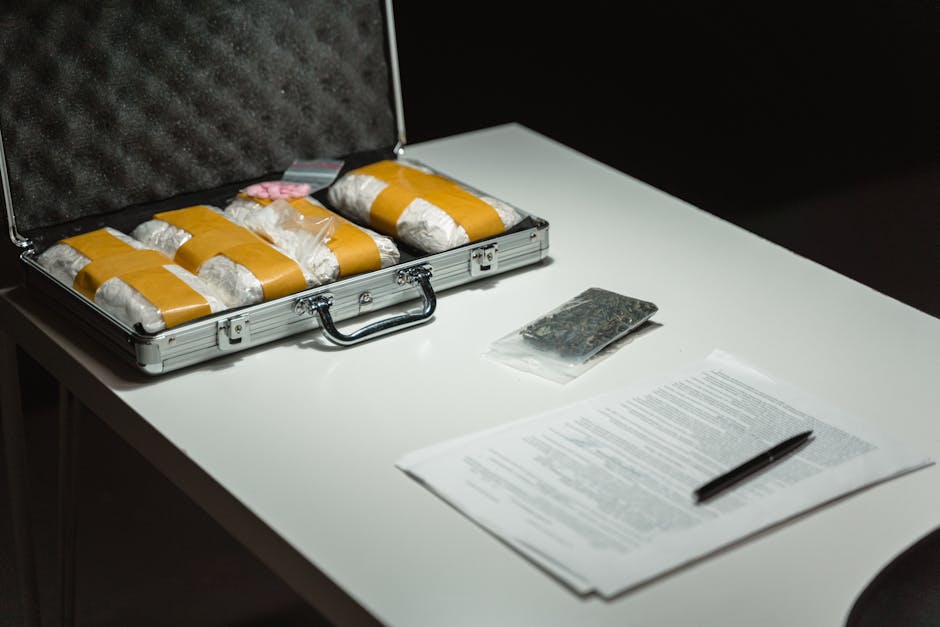
The illicit trade in cigarettes represents the sale and distribution of tobacco products that bypass legal tax systems and regulatory frameworks, operating underground through criminal networks and informal markets across Australia. This underground economy is growing at an alarming rate, with the illicit cigarette trade now accounting for an estimated 8–10% of the total cigarette market in Australia (Source: Philip Morris Institute, 2023). The problem extends beyond simple tax avoidance—it fuels organised crime, undermines legitimate businesses, and exposes consumers to serious health and legal risks.
Understanding the scale and mechanics of this illicit trade is essential for Australian consumers and business owners alike. I’ve examined recent data from industry bodies and government agencies to provide you with a comprehensive overview of how this shadow market operates, its economic consequences, and practical steps to protect yourself.
What is the illicit cigarette trade and how does it operate in Australia?
The illicit cigarette trade operates through a sophisticated network of smuggling operations, counterfeiting factories, and street-level distribution channels. Criminal syndicates import contraband cigarettes through ports in Sydney, Melbourne, and Brisbane, often concealing products in shipping containers marked as legitimate goods. These networks then distribute products through independent retailers, petrol stations, and informal markets without paying excise tax.
Australia’s geographic isolation makes border control critical, yet smugglers exploit vulnerabilities by declaring false product origins or using courier services to transport smaller quantities. The Australian Border Force estimates that around 2.9 billion illicit cigarettes entered Australia in 2022 (Source: ABF, 2023), representing a significant enforcement challenge.
Counterfeiting operations also manufacture fake branded products domestically, replicating packaging so convincingly that even experienced retailers struggle to identify them. Legitimate retailers face immense pressure as they compete with unregistered competitors offering cigarettes at 30–50% discounts due to unpaid taxes.
What are the financial impacts of illicit tobacco on Australian businesses and tax revenue?
The financial impact on Australian businesses and government coffers is substantial and measurable. The Australian Taxation Office (ATO) estimates that illicit cigarette trade results in approximately AUD $3.4 billion in lost annual tax revenue (Source: ATO, 2023). This revenue loss directly affects funding for essential services including healthcare, education, and infrastructure.
For legitimate retailers, the illicit trade creates unfair competition that depresses profit margins and market share. A small convenience store owner in western Sydney, for example, may lose 15–20% of their cigarette sales to cheaper illicit alternatives offered by unregistered competitors on the same street. This forces compliant retailers to reduce staff, delay expansion plans, or exit the market entirely.
Philip Morris and British American Tobacco have reported declining domestic sales volumes, with lost revenue flowing directly to criminal networks rather than legitimate tax bases. Wholesalers and distributors also experience reduced turnover, creating a ripple effect through supply chains and employment.
How can consumers identify counterfeit cigarettes and avoid purchasing illegal products?
Identifying counterfeit and illicit cigarettes requires attention to packaging details, pricing, and purchase location. Genuine Australian cigarettes feature specific security features: holograms on the back of packages, unique serialisation codes, and precise alignment of branding elements. Counterfeit products often display blurry printing, spelling errors, or incorrect colour matching that distinguishes them from legitimate stock.
Pricing is another critical indicator—if cigarettes are significantly cheaper than the recommended retail price (typically AUD $32–45 per pack depending on the brand), they are likely illicit. Consumers should only purchase cigarettes from registered retailers with proper business licenses, not from informal market stalls, social media sellers, or unlicensed street vendors.
- Check for proper hologram security features on the back of the package
- Verify the serialisation code matches the brand’s official system
- Purchase only from licensed retailers with visible business registration
- Avoid significantly discounted cigarettes offered through social media or informal channels
- Report suspicious retail activity to the ATO or local council
What health and legal risks do people face when buying illicit cigarettes?
Purchasing illicit cigarettes exposes consumers to serious health, financial, and legal consequences. Counterfeit cigarettes often contain substandard tobacco blends, undisclosed additives, and harmful contaminants that have not undergone safety testing or quality assurance. Some illicit products contain pesticide residues, heavy metals, or mould that exceed any regulatory safety threshold.
From a legal perspective, purchasing illicit cigarettes is not risk-free for consumers. While prosecutions of individual buyers are rare, consumers can face fines if caught in possession of counterfeit goods in certain jurisdictions (Source: NSW Revenue NSW, 2023). Additionally, purchasing from unregistered sellers provides no consumer protections or product guarantees.
Supporting the illicit trade also indirectly funds organised crime networks linked to drug trafficking, human smuggling, and violence. Every illicit cigarette purchase contributes financial resources to criminal organisations that harm communities far beyond the tobacco market.
The booming illicit cigarette trade represents a serious challenge to Australian businesses, government revenue, and consumer safety. By understanding how this shadow market operates, recognising the financial and health risks, and taking practical steps to identify counterfeit products, consumers and retailers can help combat this growing problem. If you encounter suspicious cigarette sellers or counterfeit products, report them to the Australian Border Force or your local tax office immediately. Protecting legitimate businesses and public health starts with informed consumer choices and community vigilance.