
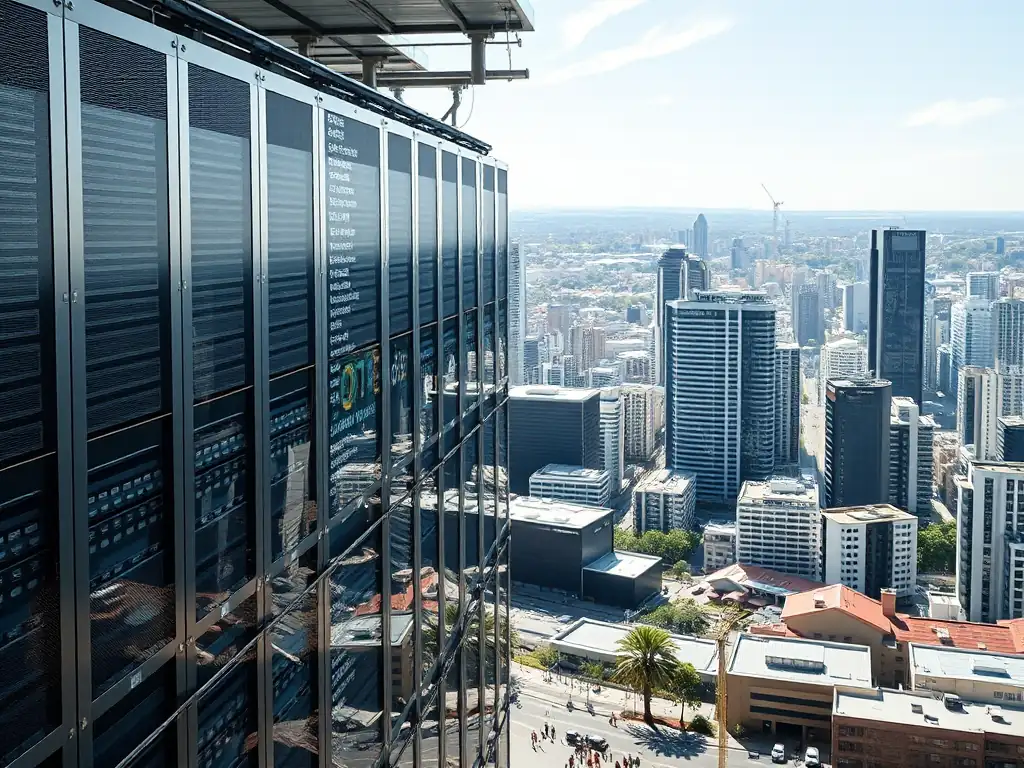
Data centre development in Melbourne: Assessing community and infrastructure impacts
A data centre is a centralised facility used to house computer systems, storage, and associated components like telecommunications equipment. At BanksiaPulse, we monitor how these facilities, which underpin the digital economy, are scaling up in Australia. A proposed mega data centre in Plumpton, Victoria, is set to be nearly six times the size of Chadstone shopping centre, sparking significant public debate. With over 3,600 residents signing a petition for careful assessment, understanding the environmental and infrastructure requirements of such a massive data centre project is essential for local communities.
What is a data centre and how does it work in Australia?
A data centre functions as the physical backbone of the internet, providing the secure space and power required to host digital infrastructure. In Australia, these facilities house thousands of high-performance servers that store data, run cloud applications, and facilitate the AI-driven services increasingly used by businesses and government agencies. These sites are specifically engineered to maintain optimal environmental conditions, including sophisticated cooling systems and redundant power supplies to ensure that digital services remain available 24/7. When companies like Syncline Energy propose developments, they are essentially creating the mechanical “brain” for modern regional commerce and digital connectivity.
For everyday Australians, these facilities ensure that services like online banking, government portals, and media streaming platforms function without interruption. Without this infrastructure, the rapid digitisation of the Australian economy would be impossible, as current household and business bandwidth requirements continue to rise. Understanding these technical requirements is vital for anyone engaging with local planning processes, as the physical footprint of these hubs is often vast. According to recent industry reporting, major technology firms are expanding their capacity to keep pace with global data demands (Source: ABS). By consolidating hardware into one location, providers can more efficiently manage maintenance and power distribution, though this concentration creates distinct geographical challenges.
Why are Melbourne’s mega datacentre plans causing environmental concerns?
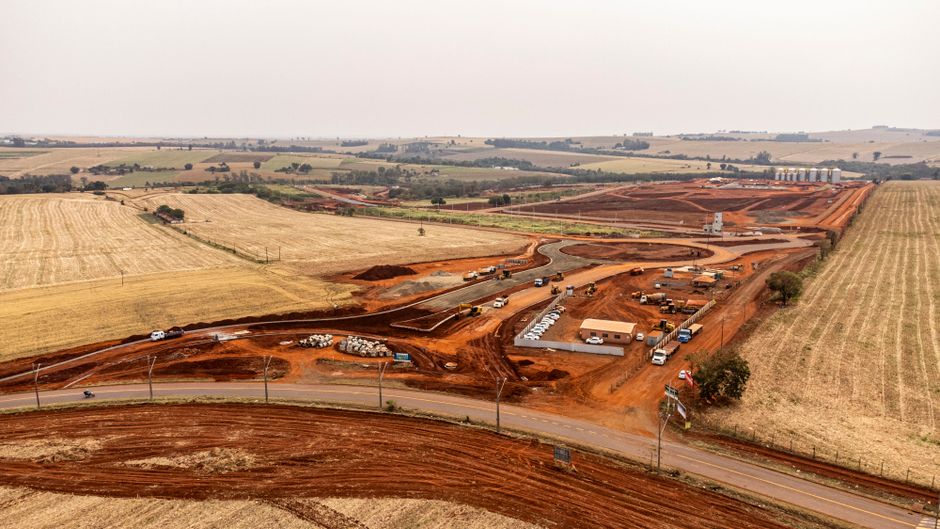
Melbourne’s mega datacentre plans are triggering community anxiety due to the significant, concentrated footprint of such large-scale facilities on outer-suburban landscapes. The proposed Plumpton site, located approximately 30km north-west of the Melbourne CBD, is currently an empty paddock situated next to existing renewable energy infrastructure. Residents have expressed concern regarding how such massive developments alter local biodiversity and interfere with the character of fast-growing outer-Melbourne suburbs. Because construction involves extensive earthworks and long-term land modification, the environmental impact assessments are currently a major flashpoint for national policy discussions regarding how we balance digital growth with land conservation.
The intensity of the public response is notable, with more than 3,600 people signing a petition to demand a more rigorous evaluation of the project. This suggests that while digital infrastructure is a necessity, communities are increasingly sensitive to how these massive facilities are integrated into existing residential zones. The proximity to the Calder Freeway and transmission lines highlights the strategic importance of the location, but it also raises questions about noise pollution, light spill, and the preservation of open spaces. When planning authorities review these proposals, they must balance the urgent economic requirement for data processing capacity against the environmental and social impacts on residents who bought homes expecting a specific lifestyle in these outer-suburban reaches.
How much water and energy does a data centre consume?
Data centres are notorious for high energy and water usage, as they require constant electricity for operation and vast quantities of water for cooling server hardware. Because these systems operate around the clock to process data, they represent a permanent and substantial load on the local energy grid. In Australia, the shift toward sustainable, carbon-neutral operation is a priority, but the physical reality of keeping thousands of high-density processors from overheating remains a significant engineering challenge. The cooling process often relies on evaporative water systems or large-scale chillers, both of which have specific implications for local utilities and infrastructure capacity during peak usage periods.
If you consider the scale of a facility six times larger than a major retail complex like Chadstone, the sheer volume of power required is substantial. Utility providers must perform rigorous load testing to ensure that supplying this energy does not destabilize the local electricity network or drive up costs for surrounding residential households. Furthermore, water usage is increasingly scrutinized under state planning guidelines as communities manage drought risks and water security. For those concerned about sustainability, keeping track of how these developments report their resource usage is key to ensuring corporate transparency (Source: ATO). Ultimately, the demand for power by a major facility can shift how local energy markets operate, potentially requiring new transmission infrastructure to be built at the expense of regional networks.
What are the infrastructure requirements for building a large-scale data centre?
Building a large-scale data centre requires more than just land; it demands advanced connectivity, immense power grid capacity, and robust physical security. These facilities must be located within a close distance of major high-voltage transmission lines, like those found in the Plumpton region near the Calder Freeway. Additionally, they require multiple redundant fibre-optic connections to ensure that if one network link is damaged, data can still be transmitted globally without any downtime. Roads must also be upgraded to handle the heavy transport vehicles required during the multi-year construction phase, which can lead to significant disruption for local traffic flow.
The timeline for these projects is extensive, often spanning many years of planning and environmental approval before any physical construction begins. For example, developers typically spend at least two years strictly focusing on site preparation and legislative compliance before a single foundation is laid. For homeowners in the area, this means a prolonged period of planning uncertainty, as communication efforts from companies like Syncline Energy only begin to address resident concerns after preliminary site selection. Understanding these requirements helps stakeholders appreciate why companies choose specific locations; they are seeking places that can sustain both the physical heavy-lifting of construction and the high-tech requirements of long-term server operations.
How do Melbourne’s datacentre plans compare to other Australian cities?
Melbourne is currently positioning itself as a central hub for digital infrastructure in Australia, with projects like the Plumpton facility mirroring trends seen in Sydney and Brisbane. While Sydney has historically held the majority of the nation’s data storage capacity, Melbourne’s available land on the urban fringe offers unique opportunities for the “mega” scale projects that are becoming common in the AI sector. Compared to other cities, Melbourne is leveraging its proximity to renewable energy hubs and its rapidly growing population base to attract major investment. This puts the city at the forefront of the national debate on where we should house our digital future.
When comparing these projects, it is clear that urban design is shifting; the scale of modern data centres is no longer just a small warehouse in an industrial estate. They are increasingly approaching the size of major shopping districts or business parks, which necessitates new planning laws that differentiate between standard commercial developments and critical national digital infrastructure. As cities compete for these high-value projects, the regulatory frameworks in Victoria are being tested to determine if they can keep pace with the speed of global tech sector expansion. Ensuring that infrastructure grows proportionally with these facilities remains a core challenge for urban planners working across all major Australian capitals.
What environmental regulations govern data centre construction in Victoria?
Environmental regulations governing data centre construction in Victoria require developers to navigate rigorous planning, biodiversity, and energy efficiency assessments. Before construction can legally start, projects must prove they meet state-specific criteria regarding land use, waste management, and potential impact on local habitats. The process often involves detailed environmental impact statements (EIS) that outline how the developer intends to mitigate noise, air quality issues, and the physical transformation of the land. Because the Plumpton site is in an area with historical and local significance, authorities must also factor in heritage and community-led objections during the approval window.
For a project of this magnitude, these regulatory hurdles are not just formalities; they are designed to provide a layer of accountability that ensures large-scale industrial projects do not degrade the local environment. Residents and local stakeholders often utilize these formal submission periods to raise issues that might otherwise be overlooked, such as the impact on local wildlife or the strain on existing road infrastructure. By forcing developers to be transparent about their resource usage and land management, the Victorian planning system aims to strike a balance between attracting essential high-tech investment and protecting the character of outer-suburban communities. This legal framework is the primary tool available to citizens who wish to hold developers accountable for their environmental footprints.