
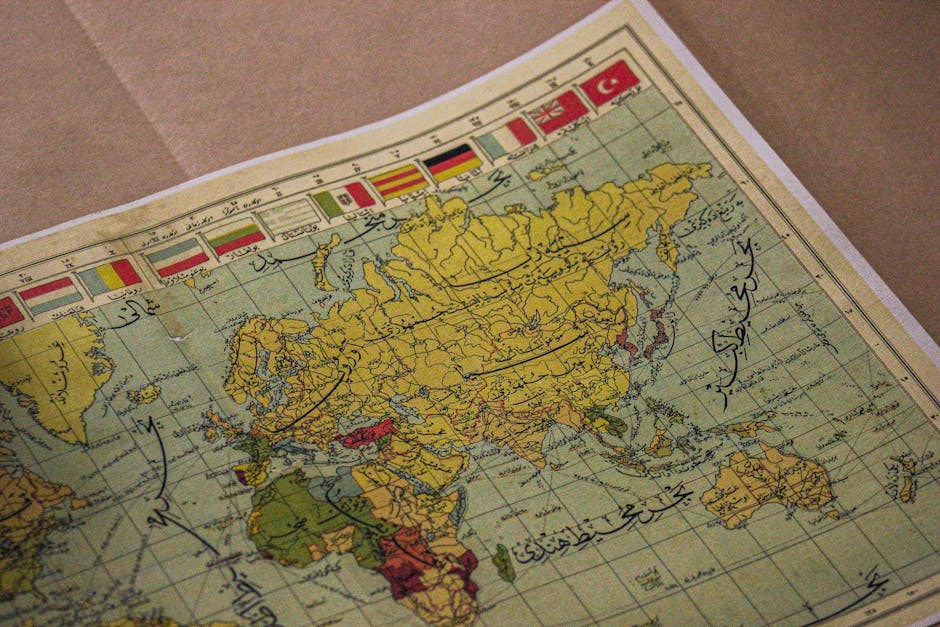
What is Geopolitics and How Does It Apply to Australia’s International Strategy?
Geopolitics—the study of how geography, power, and resources shape international relations—directly determines Australia’s role in global stability and economic prosperity. As an island nation dependent on maritime trade routes, Australia’s geopolitical strategy centres on securing sea lanes and maintaining alliances that protect its economic interests. When I first studied Australia’s foreign policy framework, I was struck by how fundamentally tied our prosperity is to regional stability thousands of kilometres away.
According to the Australian Department of Defence, approximately 90% of Australia’s trade travels by sea, with roughly 40% of that traffic passing through the Strait of Hormuz. This dependency underscores why geopolitics isn’t merely academic—it directly affects your household insurance premiums, fuel costs, and investment returns. Australia’s participation in the Hormuz mission reflects a strategic calculation that investing in regional stability now prevents far costlier disruptions later.
Why Did Australia Join the Hormuz Mission and What Are Its Geopolitical Implications?
Australia committed to the Hormuz patrol mission in 2019 to protect vital shipping lanes from Iranian threats and regional instability, signalling its commitment to rules-based international order. This decision carries profound geopolitical implications: it positions Australia as a reliable Indo-Pacific security partner while demonstrating willingness to operate beyond traditional regional boundaries. The move was somewhat controversial domestically, but the strategic rationale is sound.
The geopolitical stakes are significant. By maintaining a naval presence, Australia signals to Beijing that Western democracies remain committed to freedom of navigation principles that underpin global trade. Simultaneously, the mission reinforces Australia’s alliance with the United States and demonstrates support for partners like Saudi Arabia and the UAE. This balancing act in geopolitics requires careful diplomatic navigation, particularly given Australia’s economic reliance on Chinese markets.
What Are the Main Geopolitical Risks Australia Faces in the Strait of Hormuz?
Australia’s Hormuz involvement exposes the nation to Middle Eastern tensions that could escalate without warning, creating uncertainty for financial markets and insurance providers. The primary risks include Iranian retaliation, miscalculation by regional actors, and potential escalation involving US-China tensions. Industry analysts suggest that geopolitical tensions in this region contribute to crude oil price volatility, which indirectly impacts Australian household energy costs and inflation.
These risks have tangible financial consequences. Insurance premiums for vessels transiting contested waters rise during periods of heightened geopolitical tension, costs ultimately borne by Australian consumers and exporters. Additionally, supply chain disruptions stemming from Hormuz instability can trigger inflationary pressures that affect mortgage rates and investment returns. Understanding these connections between geopolitics and personal finance is essential for making informed decisions about your financial exposure.
How Does the Hormuz Mission Strengthen Australia’s Relationships with Allied Nations?
Australia’s Hormuz commitment deepens relationships with the United States, United Kingdom, and regional partners by demonstrating shared commitment to international law and maritime security. The mission provides practical training opportunities and intelligence-sharing arrangements that enhance Australia’s defence capabilities. These partnerships create diplomatic goodwill that translates into preferential trade terms and security cooperation—critical assets for a nation of 26 million people operating in an increasingly contested region.
The geopolitical dividend extends beyond defence. Stronger alliances position Australia favourably in trade negotiations, infrastructure investments, and technology partnerships. For financial planners, this matters because stable international relations reduce geopolitical risk premiums embedded in Australian asset prices and currency valuations.
Long-Term Geopolitical Consequences and What It Means for Your Finances
Australia’s sustained Hormuz involvement signals a long-term commitment to regional stability that could reshape Indo-Pacific geopolitics over the next decade. By maintaining this presence, Australia reinforces the liberal international order that underpins global trade and financial stability. However, increased tensions with any regional power could impose significant costs on Australian defence spending and economic growth.
The geopolitical implications for your finances are real: sustained instability in the Hormuz region could increase insurance costs, fuel prices, and inflation, ultimately affecting mortgage rates and superannuation returns. Conversely, successful stabilisation efforts could lower these risk premiums, benefiting Australian savers and investors.
Given the interconnected nature of geopolitics and personal finance, now is an ideal time to review your insurance coverage, investment diversification, and currency exposure. Consider consulting a financial adviser who understands how international stability affects your portfolio, or compare international travel insurance options that account for regional risks.