
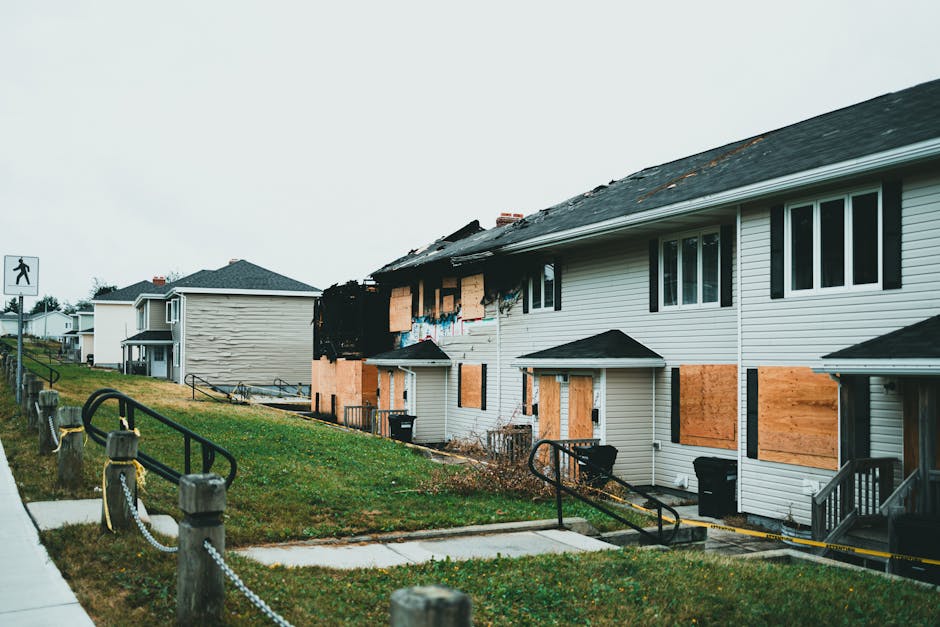
What is the housing crisis and what are its main causes?
The housing crisis is a severe shortage of affordable residential properties relative to demand, resulting in escalating prices and reduced accessibility for first-time buyers and renters. Australia’s housing crisis has become one of the nation’s most pressing economic challenges, with median house prices in Sydney reaching $1.27 million as of 2024, a 10% increase year-on-year (Source: Domain Group, 2024).
The primary causes extend beyond a single factor. Supply constraints dominate the narrative—Australia is building fewer homes than needed to meet population growth, with construction costs rising 30% over the past five years due to labour shortages and material inflation (Source: ABS).
Planning restrictions, particularly zoning limitations in inner-city areas, prevent efficient land use and slow housing development. Interest rates, which peaked at 4.35% in 2023, have significantly reduced borrowing capacity for average households. Additionally, investment-driven demand from both domestic and foreign investors inflates prices beyond what owner-occupiers can afford.
How does migration affect housing demand and affordability?
Migration directly amplifies housing demand by increasing population growth beyond natural increase, straining already-limited supply. Australia’s net overseas migration reached approximately 516,000 in 2022–23, contributing roughly 60% of total population growth and placing unprecedented pressure on rental and purchase markets (Source: ABS, Department of Home Affairs).
However, migration alone does not cause the housing crisis—rather, it exposes existing supply shortfalls. Cities like Melbourne and Sydney, which attract the highest migrant populations, already faced undersupply before migration surged. A migrant household earning $85,000 annually struggles equally with an Australian-born household in the same income bracket when competing for properties in tight markets.
The rental sector feels this pressure acutely. Migration contributes to rental vacancy rates falling below 1% in several Sydney postcodes, driving rents up 15–20% annually in competitive areas (Source: REIA, 2024). Critically, migration does increase overall housing demand, but policy failure to match supply growth creates the affordability crisis.
What role do real estate investments play in rising housing costs?
Real estate investments amplify price growth by competing with owner-occupiers for limited stock and capitalising on scarcity-driven appreciation. Investors currently own approximately 35% of residential properties in Sydney and Melbourne, compared to 20% in regional areas, concentrating purchasing power and reducing first-home-buyer accessibility (Source: APRA, 2024).
Investment strategies such as negative gearing—where rental losses offset taxable income—incentivise property accumulation over owner-occupation. A Sydney investor purchasing a $900,000 apartment generating $22,000 annual rent can claim $35,000 in expenses (interest, rates, maintenance), offsetting employment income while banking on capital gains. This tax advantage, embedded in the Australian Tax Office framework, increases investor demand disproportionately.
Institutional investment has expanded recently, with superannuation funds and REITs (real estate investment trusts, pooled property investment vehicles) deploying capital into residential markets, further competing for supply.
What solutions are experts proposing to address the housing shortage?
Experts propose multi-layered solutions targeting supply expansion, investment incentive reform, and planning efficiency. Increasing housing supply remains the cornerstone recommendation, with targets of 200,000+ new dwellings annually across Australia, focusing on medium-density builds in inner-ring suburbs to reduce sprawl and infrastructure costs.
Tax reform is gaining traction. The removal or reduction of negative gearing deductions would decrease investor demand, theoretically freeing stock for owner-occupiers while moderating price growth. Several economic analysts recommend capital gains tax adjustments to discourage short-term speculation—currently, owner-occupied homes are exempt from capital gains tax, creating a loophole.
Planning deregulation and fast-tracked approval processes for multi-unit developments address supply bottlenecks. International investment restrictions in key markets, similar to New Zealand’s policies, are also under consideration to prioritise local buyers. For Korean-Australian investors assessing property opportunities, understanding these potential policy shifts is critical to evaluating long-term return scenarios.
The housing crisis cannot be solved by addressing one factor in isolation. Balanced policy—combining supply acceleration, investment reform, and planning modernisation—offers the most realistic pathway to improved affordability and housing security across Australia.