
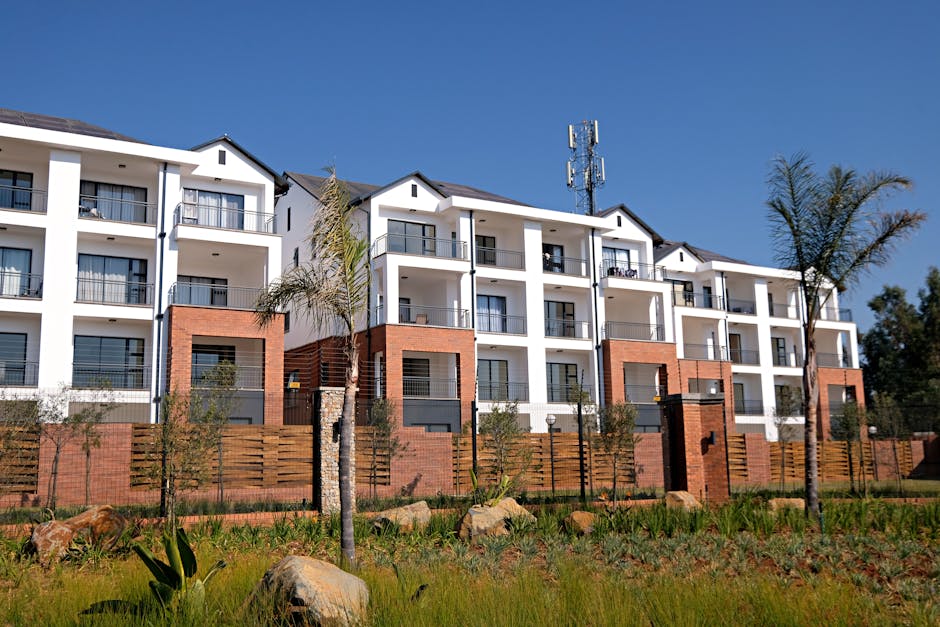
Australia’s Housing Crisis: Examining the Role of Migration
Property in Australia has become increasingly unaffordable, with migration playing a significant role in shaping market dynamics across major cities. According to the Australian Bureau of Statistics, net overseas migration reached 727,600 people in the year ending June 2023, the highest figure on record (Source: ABS). This unprecedented influx has intensified competition for limited housing stock, driving property prices to historic levels and reshaping investment strategies for both local buyers and international migrants.
Over the past five years, Australia’s property market has experienced substantial pressure from demographic changes linked to immigration policy. Understanding how migration influences property prices—and how to navigate this volatile market—is essential for anyone looking to secure their financial future through real estate investment.
How does migration impact property prices in Australia’s major cities?
Migration directly correlates with rising property prices in Australia’s major cities, particularly Sydney and Melbourne, where migrants predominantly settle. Strong demand from new residents competing for limited property stock has accelerated price growth significantly. In Sydney, median house prices increased by approximately 61% between 2020 and 2023, a period coinciding with elevated migration intake (Source: Domain Group data).
The relationship between migration and property affordability reveals a concerning trend for prospective buyers. As migrants establish themselves in urban centres, they require housing, placing additional pressure on already constrained supply. This creates a cascading effect: increased demand without proportional supply growth inflates prices, reducing accessibility for first-home buyers earning modest incomes.
What are the eligibility requirements for migrants to purchase property in Australia?
Migrants face distinct regulatory barriers when purchasing property in Australia, designed to protect local housing stock and ensure foreign investment remains controlled. Non-citizens and temporary residents typically cannot purchase established residential property without Foreign Investment Review Board (FIRB) approval, except in limited circumstances such as purchasing off-the-plan apartments or if obtaining permanent residency (Source: FIRB guidelines). This restriction aims to preserve property for Australian citizens and permanent residents.
Permanent residents and Australian citizens face no restrictions on property purchases, which is why many migrants prioritize achieving residency status quickly. For instance, a skilled migrant securing permanent residence through the skilled migration program can immediately purchase investment property or a family home without seeking FIRB approval, positioning them competitively against first-home buyers constrained by savings limitations.
What risks do property investors face from Australia’s housing shortage and migration trends?
Property investors face mounting risks as Australia’s housing shortage becomes entrenched by sustained migration demand. The mismatch between supply and demand creates unsustainable price trajectories that may correct sharply, exposing overleveraged investors to negative equity (a situation where a property is worth less than the mortgage owed). Rising interest rates compound these risks, as investors face higher borrowing costs alongside stagnant rental yields.
Vacancy rates and rental demand fluctuate unpredictably based on migration patterns and policy shifts. If migration intake reduces suddenly—as occurred during COVID-19—previously booming rental markets may soften, impacting cash flow for property investors relying on tenant income. Additionally, increased construction of new dwellings to address housing shortages may dilute property values in saturated markets, particularly in inner-ring suburbs of major cities.
How do property affordability rates in Australia compare to other developed nations with high migration?
Australia’s property affordability crisis exceeds that of most comparable developed nations despite similar migration intake patterns. The median house price-to-income ratio in Sydney stands at approximately 12.8 times average annual earnings, significantly higher than cities like Toronto (6.2 times) and Munich (7.5 times) (Source: Demographia International Housing Affordability Survey). This disparity reflects Australia’s constrained housing supply relative to population growth driven by migration.
The affordability gap creates a two-tier housing market: established residents and investors with existing equity maintain wealth, while new entrants—including migrants—struggle to enter the market. Governments across Australia and comparable nations with high migration recognize this tension, yet policy responses remain inadequate relative to the scale of housing undersupply.
For prospective property buyers navigating this landscape, strategic timing and location selection remain critical. Consider focusing on emerging suburbs with planned infrastructure investments and lower entry prices rather than saturated inner-city markets. Exploring first-home buyer assistance programs, including deposit schemes and tax concessions available in NSW and other states, can improve purchasing power.
Australia’s housing crisis will persist while migration remains elevated and housing construction lags demand. The property market’s relationship with migration is structural, not cyclical, requiring both investment caution and pragmatic financial planning from individuals seeking homeownership or rental income.
Ready to navigate Australia’s property market strategically? Subscribe to Banksiapulse for weekly insights on property investment, migration policy updates, and financial planning strategies tailored to Australia’s evolving housing landscape.