
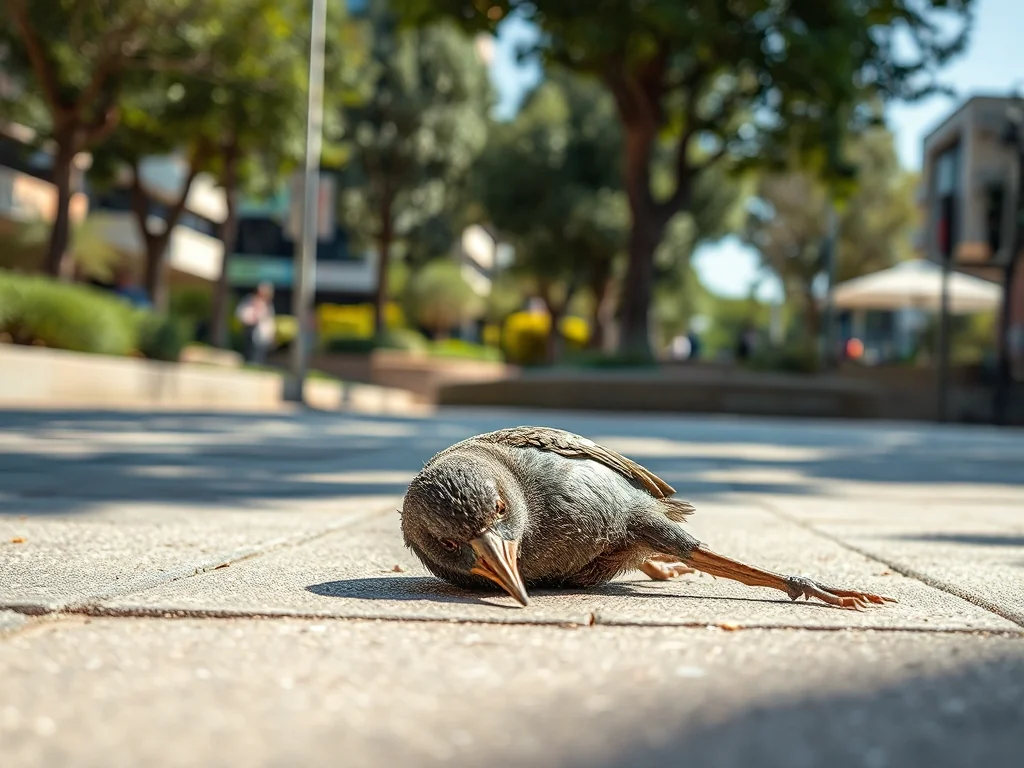
Bird flu Australia: What you need to know about current outbreaks
Bird flu, or avian influenza, is a highly contagious viral disease that poses a significant threat to wildlife, and BanksiaPulse reports that Australia recorded its first case of this strain in June 2026. As the last continent to be impacted, we are now facing an urgent need for protection. With over 2,000 unique native bird and mammal species identified as at-risk, the government is initiating a targeted vaccination program (Source: Agriculture Minister Julie Collins, 2026).
What is bird flu and how does it spread to native birds in Australia?
Bird flu is a highly contagious viral disease caused by influenza A viruses, which typically circulate among wild bird populations and can spread rapidly between domestic and native species. The virus often spreads through contact with infected birds’ bodily fluids or contaminated environments, such as water sources or resting sites. As of August 2026, the strain has reached Australian shores, marking a significant change in the nation’s biosecurity landscape. For native birds, this transmission is particularly concerning because they have not developed natural immunity to this specific, aggressive strain. When a wild bird congregates with others, the virus can move through the flock with alarming speed, potentially causing mass mortality events. Understanding these pathways is essential for conservationists and the public to prevent further environmental impact. Australia’s unique ecosystem relies on these birds for pollination and pest control, making containment a top national priority.
The spread of the virus is also influenced by seasonal migration patterns, where birds carry the disease across vast distances. Once a single bird is infected, it can deposit the virus in wetlands or communal feeding areas, where it persists for extended periods. Biosecurity experts are currently working to model these patterns to predict which regions face the highest risk in the coming months. If you observe changes in bird movement or unusual population drops in your local area, it is vital to report these findings to environmental authorities rather than attempting to handle wildlife yourself. By maintaining clean water sources and minimizing habitat disruption, we can collectively work to slow the environmental transmission. Prevention remains the most effective tool we have to protect our biodiversity against this emerging and deadly health crisis.
Which native NSW bird species are most vulnerable to avian influenza?
Native bird species that rely on shared water sources or congregate in large groups are currently assessed as being at the highest risk of contracting bird flu. Following a government review conducted earlier this month, a list was released evaluating the vulnerability and susceptibility of more than 2,000 unique native birds and mammals (Source: Australian Government, 2026). This data helps agencies prioritize which animals require immediate medical intervention through the newly announced vaccination rollouts. Species that are already threatened or endangered are at the top of this list, as a localized outbreak could potentially lead to regional extinction for some vulnerable populations. The risk assessment considers not only the biological susceptibility of the bird but also its proximity to known transmission sites, such as coastal regions or intensive agricultural hubs where the virus is most likely to persist and mutate.
The vulnerability of these species is intrinsically linked to their environmental interactions and social behaviors. For instance, colonial nesting birds, which live in high-density colonies, are statistically more likely to experience rapid transmission compared to solitary hunters. As the situation evolves, the government is leveraging scientific data to determine the specific “priority species” that will receive the first round of vaccinations in the coming days and weeks. This targeted approach is designed to preserve the most critical components of Australia’s ecological health. Citizens living near wetlands or conservation reserves should stay informed through official government notices, as these areas often host the species currently under the highest level of surveillance. Keeping our native birds safe requires ongoing vigilance and adherence to the guidelines set out by national biosecurity teams to protect our precious, unique wildlife during this period.
How can Australian households protect their backyard birds from avian influenza?
Households can play a significant role in mitigating the spread of bird flu by maintaining hygienic conditions in backyards and avoiding the attraction of large, mixed-species flocks. If you provide food or water for local wildlife, ensuring these stations are cleaned regularly with an appropriate disinfectant is critical to preventing the build-up of the virus. Because the disease spreads through contact, reducing the frequency of bird visits to a single location can effectively lower the risk of transmission among local populations. During this high-risk period, it is recommended to monitor the health of your backyard birds closely. If you see any signs of lethargy, unusual behavior, or mortality, you should cease feeding immediately to prevent further gatherings of birds. Keeping a safe distance is the best way to protect both the wildlife and your own household environment from accidental exposure to the virus.
For families with pets or backyard poultry, the precautions become even more stringent to ensure the safety of all animals. Keeping your domestic birds contained in a way that prevents contact with wild birds is an essential biosecurity measure to avoid infection crossover. You can find detailed resources regarding animal health and disease management on the Australian Department of Health website, which provides the latest updates on managing disease risks in domestic settings. By taking these simple but effective steps, such as securing feed stores and isolating domestic stock, you can prevent your property from becoming a hotspot for virus transmission. Every household’s contribution helps reduce the environmental pressure on native species, acting as a crucial line of defense. Remember that the health of our backyard ecosystems is a shared responsibility that requires collective action and a cautious approach to wildlife interaction.
What is the Australian government doing to monitor and control bird flu outbreaks?
The Australian government is implementing a national approach to the targeted vaccination of priority native bird species, with the first doses expected to be administered in the coming days. This initiative is a response to the urgent need for a coordinated, nation-wide strategy to shield our most vulnerable wildlife from the deadly strain of bird flu. By focusing on species identified in the recent, large-scale risk assessment of over 2,000 native animals, the government aims to deploy resources where they are needed most. Agriculture Minister Julie Collins has noted that while vaccination cannot stop the spread entirely as the outbreak worsens, it serves as a critical measure to protect specific at-risk populations. This strategy includes strict monitoring of bird movements and collaborative efforts with environmental agencies to respond rapidly to any reports of new cases appearing in the wild.
In addition to the vaccination rollout, the government is maintaining rigorous surveillance protocols to track the virus as it moves across the country. This involves analyzing biological samples and observing population trends to inform future decisions on vaccine distribution and habitat management. For researchers and concerned citizens, the Australian Bureau of Statistics data on environmental trends can sometimes provide context for land use changes that might impact bird populations. However, for real-time information, it is best to rely on official biosecurity alerts issued by the relevant state departments. The commitment to a science-led, national approach ensures that the response remains consistent, regardless of state borders. By combining vaccination efforts with long-term monitoring, the government is attempting to preserve the integrity of Australia’s natural heritage while simultaneously managing the immediate threat posed by this unprecedented bird flu outbreak.
What should you do if you find a sick or dead bird showing signs of avian influenza?
If you encounter a sick or dead bird that shows symptoms of bird flu, the most important action is to avoid direct contact and immediately notify the appropriate authorities. Handling wild birds—especially those exhibiting signs of illness—poses a potential health risk to you and your family, and it could also result in the accidental transmission of the virus to other areas. Please contact your local state department of primary industries or local council to report the location of the animal. They have trained response teams equipped to collect and analyze samples, which is vital for monitoring the progression of the outbreak. Do not attempt to move, transport, or treat the animal yourself, as this can exacerbate the situation and potentially increase the exposure to contaminated surfaces or debris in the environment.
When reporting the incident, provide as much detail as possible, such as the exact location, the species of the bird if known, and the symptoms observed. This information is a vital part of the national surveillance system and helps authorities allocate resources more effectively. In the meantime, keep children and pets away from the site to ensure safety and prevent further spread. In situations where multiple birds are found dead in a single location, urgent reporting is even more essential. By acting as the eyes and ears for environmental agencies, you contribute to a faster and more robust response to the crisis. Your cooperation is not just a personal safety measure; it is a critical part of the broader effort to protect Australia’s unique native species during this challenging time of increased bird flu risk.
Is bird flu dangerous to humans and what are the health risks in Australia?
While the primary focus of the current vaccination program is the protection of native bird species, bird flu is a zoonotic disease, meaning it can potentially affect humans under specific, close-contact conditions. The risk to the general public in Australia remains managed, but the government continues to treat the situation with high levels of caution. Humans typically catch bird flu through direct, unprotected contact with infected birds or heavily contaminated surfaces. Because this specific strain is highly contagious among birds, the most significant risk is reserved for those who work closely with poultry or wildlife, such as agricultural workers, wildlife rescue personnel, and veterinarians. Standard hygiene practices, such as washing hands thoroughly after being outdoors and avoiding contact with sick or dead wildlife, are currently the best preventative measures for the average citizen.
It is important to emphasize that public health officials are actively monitoring the situation to ensure that any potential threat to human health is detected early and addressed. There have been no widespread reports of human-to-human transmission in Australia, and the government’s focus remains on controlling the outbreak within animal populations. If you have been in contact with a sick bird and subsequently develop respiratory symptoms, it is recommended that you seek medical advice and inform the practitioner of your contact history. Australia maintains robust health screening and surveillance systems designed to handle emerging infectious diseases, providing a secure framework for managing the impact of the virus. By staying informed through official channels and practicing common-sense hygiene, the public can help minimize their exposure while authorities handle the logistical and scientific challenges of managing this bird flu outbreak across the country.